





What's Happening?
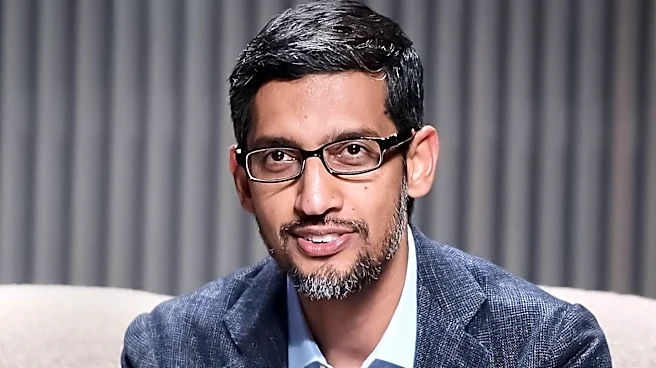
Dmitri Dolgov is currently the Co-CEO of Waymo, a company under Alphabet, a position he has held since April 2021. Before becoming Co-CEO, Dolgov served as the Chief Technology Officer (CTO) at Waymo from December 2016 to April 2021. His professional
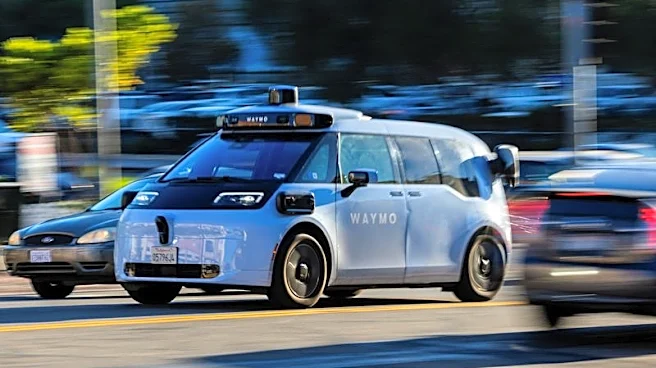
background also includes previous roles at Google and the Toyota Research Institute. Waymo, under his leadership, has expanded its operations and, as of March 2026, is active in 10 U.S. cities, indicating a significant presence in the autonomous vehicle sector within the United States.
Why It's Important?
Dmitri Dolgov's leadership as Co-CEO of Waymo is significant for the U.S. technology and automotive industries. Waymo, as a pioneer in autonomous driving technology, plays a crucial role in shaping the future of transportation. The expansion of Waymo's operations to 10 U.S. cities by March 2026 demonstrates a growing adoption and integration of self-driving vehicles into American urban landscapes. This development has implications for urban planning, public transportation, and logistics, potentially leading to reduced traffic congestion, lower accident rates, and new economic opportunities in related sectors. The success and expansion of Waymo could also influence regulatory frameworks for autonomous vehicles across different states, setting precedents for safety standards and operational guidelines. Furthermore, Waymo's advancements contribute to the U.S.'s competitive edge in the global autonomous technology race, attracting investment and fostering innovation.
What's Next?
The continued expansion of Waymo's services under Dmitri Dolgov's leadership suggests a future where autonomous vehicles become a more common sight in U.S. cities. This will likely involve further technological advancements, including improvements in sensor technology, artificial intelligence algorithms, and vehicle-to-infrastructure communication. Regulatory bodies at both federal and state levels will continue to adapt and refine policies to accommodate the growing presence of self-driving cars, focusing on safety, liability, and public acceptance. Waymo may also explore new partnerships with ride-sharing companies, logistics providers, and public transit agencies to integrate its technology more broadly. The company's progress will be closely watched by competitors and investors, influencing the pace of development and deployment of autonomous vehicle technology across the industry.
Beyond the Headlines
The rise of autonomous vehicle technology, spearheaded by companies like Waymo, presents profound societal and ethical considerations beyond its immediate operational benefits. The widespread adoption of self-driving cars could lead to significant shifts in employment, particularly for professional drivers, necessitating new job training programs and economic support systems. Ethical dilemmas surrounding accident liability and decision-making algorithms in unavoidable crash scenarios will require careful deliberation and public discourse. Culturally, the concept of car ownership might evolve, with a greater emphasis on shared autonomous fleets, potentially altering urban landscapes and personal mobility habits. The long-term implications also include potential changes in urban design, as less parking space might be needed, and the possibility of more efficient land use. These developments underscore a broader transformation in how Americans interact with transportation and their environment.