



What's Happening?
Urban gardeners in Los Angeles are receiving guidance on optimal planting schedules tailored to the city's unique climate patterns. The advice focuses on maximizing yields for both cool-season and warm-season crops. For cool-season vegetables such as broccoli,
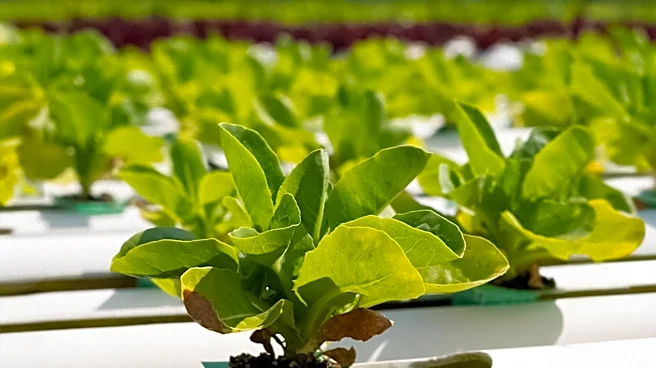
lettuce, peas, carrots, and radishes, the best planting period extends from fall through early spring. Conversely, warm-season crops like tomatoes, beans, cucumbers, squash, and peppers should be planted as soil temperatures rise, ideally before the onset of intense inland summer heat. The recommendations also suggest starting fall brassicas indoors and preparing garden beds for direct-sown roots and greens as temperatures moderate in late summer. This localized approach helps gardeners align their efforts with the specific microclimates of Los Angeles, which primarily fall within USDA Zones 10b–11a, where frost is uncommon, making heat and cool-season timing more critical than freeze dates.
Why It's Important?
This guidance is crucial for urban agriculture in Los Angeles, a region where maximizing food production in limited spaces is increasingly vital. By adhering to specific planting calendars, gardeners can significantly improve their success rates, leading to more abundant harvests and greater food security at the household level. This localized knowledge empowers residents to make informed decisions, reducing wasted resources from mistimed plantings and fostering a more sustainable urban food system. The emphasis on seasonal planting also promotes biodiversity and resilience in local food production, aligning with broader environmental goals. For families, successful urban gardening can provide access to fresh, healthy produce, reduce grocery expenses, and offer educational opportunities about food origins and ecological cycles. The ability to grow food efficiently within urban settings contributes to community well-being and self-sufficiency.
What's Next?
Urban gardeners in Los Angeles are encouraged to utilize available resources, such as detailed planting calendars and soil temperature guides, to plan their gardening activities. The next steps involve actively monitoring local soil temperatures and weather forecasts to fine-tune planting decisions. Gardeners can begin preparing their beds for upcoming cool-season crops in late summer, while those focusing on warm-season varieties should ensure their soil is adequately warmed before planting. Continued education and community workshops on urban gardening techniques, including modular garden layouts, are likely to support these efforts. As more residents engage in urban agriculture, there may be increased demand for local nurseries to stock appropriate seasonal seeds and seedlings, and for community initiatives to provide shared resources and knowledge exchange among gardeners.
Beyond the Headlines
The focus on precise planting schedules in Los Angeles highlights a broader trend in urban agriculture towards hyper-localization and climate-specific farming practices. This approach moves beyond generic gardening advice, acknowledging the unique environmental conditions of densely populated areas. It underscores the importance of understanding microclimates and soil science in successful food production, even on a small scale. Furthermore, the promotion of urban gardening contributes to the greening of cities, enhancing urban biodiversity and potentially mitigating the urban heat island effect. Ethically, it raises questions about equitable access to gardening resources and knowledge, particularly in underserved communities. Long-term, widespread adoption of such practices could lead to a more resilient and decentralized food system, reducing reliance on distant agricultural supply chains and fostering stronger community ties through shared gardening endeavors.