
What's Happening?
The FIA has revoked the media credentials of veteran journalist Jonathan McEvoy of The Daily Mail, banning him from covering the final three Formula One races of the 2026 season. This decision stems from an opinion
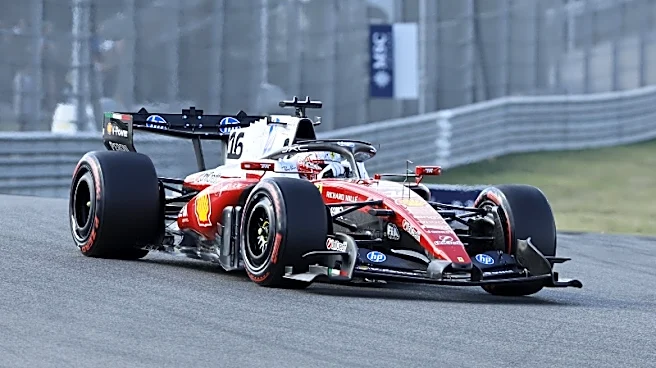
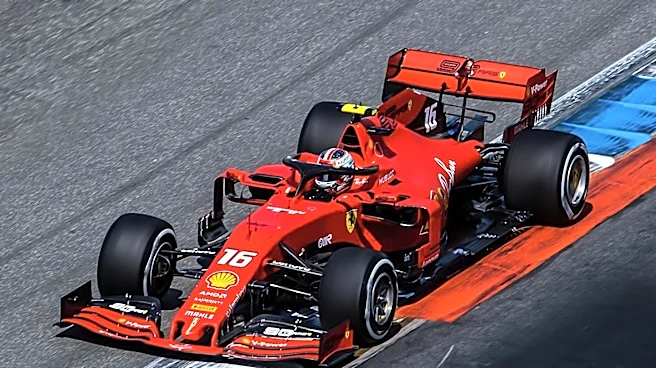
column published on November 4, in which McEvoy criticized Ferrari driver Charles Leclerc, referring to him as a "sneaky little bastard." The criticism followed an incident at the Mexico City Grand Prix where Leclerc and Ferrari teammate Lewis Hamilton went off track, with Leclerc cutting across the grass and subsequently receiving a five-second penalty. In response to the ban, The Daily Mail announced it would boycott reporting on races and news conferences for the remainder of 2026, protesting what its head of sport, Chris Dean, called an "unprecedented and outrageous attack on the freedom of the Press."
Why It's Important?
This incident raises significant concerns about press freedom and the relationship between sports governing bodies and journalists. The FIA's decision to revoke accreditation over critical commentary, even if deemed unprofessional, sets a precedent that could stifle independent sports journalism. It creates an environment where journalists might self-censor to avoid similar repercussions, potentially limiting the public's access to diverse perspectives and critical analysis of sporting events and figures. The Daily Mail's boycott underscores the gravity of the situation, highlighting a potential chilling effect on media scrutiny within Formula 1 and other major sports. This could impact how sports organizations are held accountable and how narratives surrounding athletes and teams are shaped.
What's Next?
The FIA has defended its decision, stating that McEvoy's column "fell short of the standards of professionalism expected" from accredited journalists and that their guidelines allow for credential revocation without notice. While the FIA indicated that The Daily Mail could send another reporter, the newspaper has chosen to boycott. McEvoy was reportedly told his accreditation would be reinstated next season, though the FIA has not publicly confirmed this. The Society of Editors has also condemned the FIA's action, arguing it threatens independent sports journalism. This situation is likely to continue generating debate about media ethics, journalistic freedom, and the power dynamics between sports organizations and the press.
Beyond the Headlines
The controversy extends beyond a single journalist and a specific incident, touching upon the broader ethical and legal implications of censorship in sports reporting. The FIA's action, regardless of its justification, can be perceived as an attempt to control narratives and suppress critical commentary, which could have long-term consequences for the integrity of sports journalism. It prompts questions about the definition of 'professionalism' in reporting and whether it should include the right to express strong opinions, even if controversial. This event could lead to a re-evaluation of accreditation policies by sports bodies and a stronger push for protections for sports journalists globally, ensuring that critical analysis remains a vital component of sports coverage.