


What's Happening?
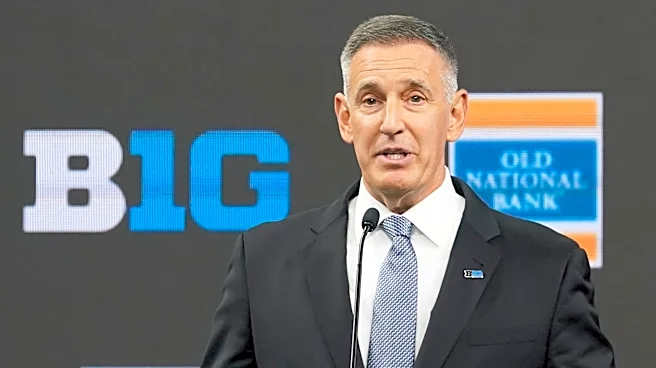
The Southeastern Conference (SEC) and the Big Ten Conference have independently enacted new rules prohibiting athletes who have previously signed professional contracts from returning to play college sports. This development follows a recent NCAA rule change
allowing athletes five years of eligibility, which has led to significant confusion and multiple lawsuits. The NCAA's decision to apply this new rule only to athletes who graduated high school in 2023, excluding the Class of '22, has sparked legal challenges. Athletes from the Class of '22 argue they are being deprived of educational opportunities and potential Name, Image, and Likeness (NIL) financial benefits. Federal and state lawsuits have emerged, with some state courts ruling in favor of athletes returning to college, and in some instances, even ordering the temporary reopening of the transfer portal. This has created a complex legal landscape for college sports, particularly as the football and basketball seasons approach.
Why It's Important?
This situation has profound implications for the landscape of U.S. college sports, affecting athletes, universities, and athletic conferences. The conflicting rulings and new conference-specific bans introduce uncertainty into player eligibility and roster management, potentially impacting team compositions and competitive balance. For athletes, particularly those from the Class of '22, their careers and educational paths are in limbo, with some pursuing legal avenues to regain eligibility. The involvement of major conferences like the SEC and Big Ten in setting their own eligibility rules highlights a growing divergence from NCAA regulations, which could lead to further fragmentation in college sports governance. This also raises questions about the long-term financial models of college athletics, especially concerning NIL deals, as players and institutions navigate these evolving rules.
What's Next?
The legal battles surrounding athlete eligibility are expected to continue, with court cases moving slowly and potentially extending beyond the current football and basketball seasons. The temporary halt of a federal judge's order by an appeals court indicates that the legal landscape remains fluid and subject to further challenges. Athletes like Javon Bennett and Chauncey Wiggins, whose cases have seen varying outcomes in different states, exemplify the ongoing confusion. Universities and athletic departments will need to closely monitor these legal developments and conference rulings to determine player eligibility and manage their rosters. The NCAA may face continued pressure to clarify its rules or address the disparities created by its recent eligibility changes, potentially leading to further adjustments in policy or new legal challenges from affected parties.
Beyond the Headlines
The current turmoil in college sports extends beyond immediate eligibility concerns, touching upon fundamental ethical and legal questions regarding amateurism versus professionalism in collegiate athletics. The NCAA's evolving rules and the subsequent legal challenges underscore a broader societal shift in how college athletes are viewed—no longer solely as amateurs but as individuals with significant economic value and rights. The differing state and federal court rulings, alongside conference-specific bans, highlight a fragmented regulatory environment that could lead to calls for more unified and comprehensive governance in college sports. This situation also brings to light the power dynamics between the NCAA, individual conferences, and athletes, potentially paving the way for a more athlete-centric model or a complete overhaul of the current system. The long-term implications could reshape the very definition of a 'college athlete' and the financial structures supporting collegiate sports.