





What's Happening?
Homeowners seeking to expand their living space are frequently faced with the decision between remodeling an existing basement or constructing a new home addition. Both options offer distinct advantages and disadvantages, with the optimal choice often
depending on the specific needs and existing conditions of the property. A basement remodel utilizes existing square footage within the home's current footprint, potentially offering a more cost-effective solution if the basement is dry, has adequate ceiling height, and can accommodate desired rooms without significant structural changes. Conversely, a home addition creates entirely new square footage, providing greater design freedom and the ability to address specific needs like a larger kitchen or a main-floor primary suite that a basement remodel cannot. The decision-making process involves evaluating factors such as the desired function of the new space, the importance of natural light and outdoor access, the amount of construction disruption homeowners are willing to endure, and the available yard space.
Why It's Important?
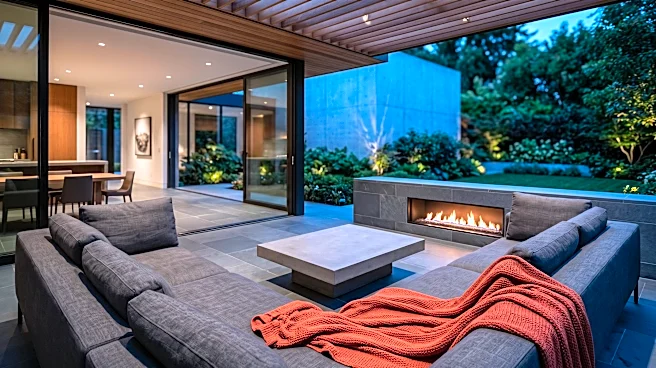
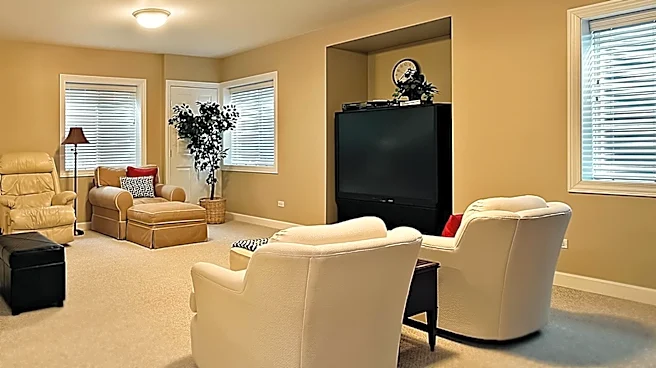
This decision has significant implications for homeowners' finances, lifestyle, and property value. Opting for a basement remodel can be more budget-friendly as it leverages existing structures, avoiding the costs associated with new foundations, roofing, and exterior finishes. This can make it an attractive option for creating spaces like home theaters, gyms, or guest rooms, which often benefit from the separation a basement provides. However, if the primary goal is to expand a kitchen, create a seamless indoor-outdoor connection, or add a main-floor bedroom for accessibility, an addition becomes the more practical, albeit potentially more expensive, solution. The choice also impacts daily life during construction; basement work is often easier to isolate, while additions can cause more significant disruption when connecting new and old structures. Ultimately, the decision influences how the home functions, its aesthetic integration, and its long-term suitability for the occupants' evolving needs.
What's Next?
Homeowners considering either a basement remodel or a home addition will typically engage with design-build firms to assess feasibility and develop a suitable plan. The initial steps involve a consultation to understand the homeowner's needs, budget, and timeline. This is followed by a discovery phase where the existing home is documented, and conditions like ceiling height, plumbing, structural elements, and property boundaries are evaluated. Based on this assessment, designers will develop various floor-plan concepts, allowing homeowners to visualize trade-offs. Once a direction is chosen, the project moves into detailed development, including structural requirements, material selection, permitting, and scheduling. Construction then proceeds, with project managers overseeing trades, inspections, and quality control. The process emphasizes thorough planning to avoid costly changes during construction and ensure the chosen solution effectively addresses the homeowner's needs.
Beyond the Headlines
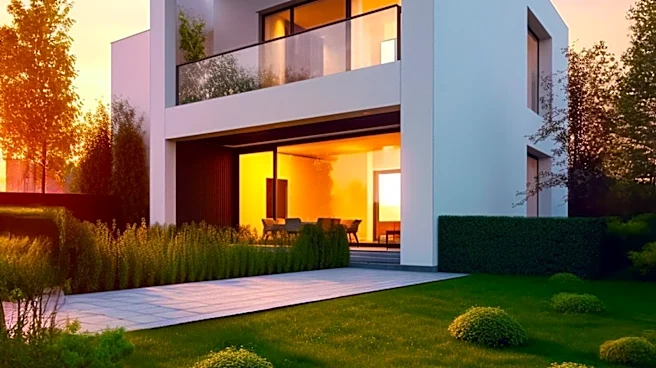
The choice between a basement remodel and a home addition extends beyond mere square footage, touching upon deeper considerations of home functionality and personal lifestyle. A well-executed basement remodel can transform an underutilized space into a valuable asset, offering a quiet retreat for work or entertainment, and potentially increasing the home's overall appeal without altering its exterior footprint. Conversely, a thoughtfully designed addition can seamlessly integrate with the existing structure, enhancing curb appeal and creating a more cohesive living environment that reflects modern family needs. The decision also highlights the evolving nature of homeownership, where flexibility and adaptability are increasingly valued. Homeowners are not just adding space but are investing in a solution that aligns with their long-term vision for their home, considering factors like future accessibility needs, energy efficiency, and the desire for specific indoor-outdoor connections. The 'better' option is ultimately the one that solves the right problem without creating new ones, reflecting a holistic approach to home improvement.