





What's Happening?
Oregon has filed a $2 billion lawsuit against OpenAI, alleging that the company's ChatGPT technology contributed to a school shooting in British Columbia. The lawsuit, initiated by Oregon Attorney General Dan Rayfield, claims that ChatGPT lacked adequate
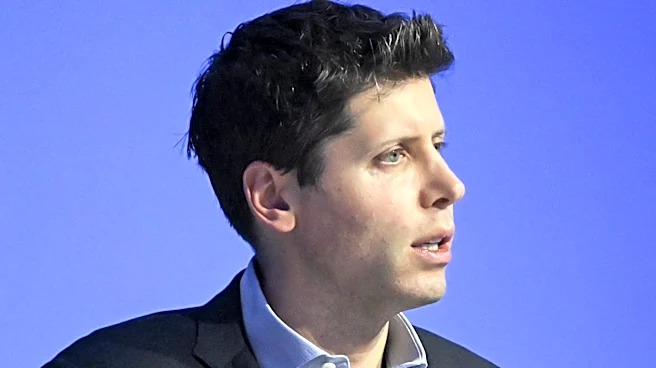
age verification and parental controls, thereby harming children and misleading families about its safety. This legal action is part of a growing trend of lawsuits challenging OpenAI's child-safety measures. The filing has prompted market speculation about a potential delay in OpenAI's initial public offering (IPO) plans, with current market pricing reflecting a reduced likelihood of an IPO by the end of 2026. Observers are closely monitoring statements from OpenAI's leadership, including CEO Sam Altman and CFO Sarah Friar, as well as any developments in the lawsuit, such as settlements or court rulings, which could impact the company's financial stability and market perception.
Why It's Important?
This lawsuit is significant as it intensifies scrutiny on AI technologies and their impact on public safety, particularly concerning minors. A successful claim against OpenAI could set a precedent for increased regulatory oversight and stricter child-safety measures for AI developers across the U.S. The $2 billion in damages sought could also have substantial financial implications for OpenAI, potentially affecting its valuation and operational strategies. For investors, the lawsuit introduces uncertainty regarding OpenAI's financial future and its IPO timeline, leading to a perceived increase in the probability of financial distress for the company. This case highlights the evolving legal landscape surrounding AI, where companies are increasingly being held accountable for the societal impacts of their technologies, especially when they involve vulnerable populations.
What's Next?
The immediate next steps will involve OpenAI's response to the lawsuit, which could include motions to dismiss, settlement negotiations, or a full legal defense. The outcome of these initial legal maneuvers will be closely watched by the tech industry and regulatory bodies. Market analysts will continue to monitor OpenAI's stock performance and any shifts in its IPO projections, which could be further influenced by court rulings or public statements from the company's executives. Additionally, other states or organizations might be encouraged to file similar lawsuits if Oregon's case gains traction, potentially leading to a wave of litigation against AI companies regarding safety and ethical concerns. Any strategic partnerships or funding announcements by OpenAI could also be aimed at mitigating the financial and reputational risks posed by this lawsuit.
Beyond the Headlines
Beyond the immediate financial and legal ramifications, this lawsuit touches upon deeper ethical and societal questions regarding the responsibility of AI developers. It raises critical discussions about the extent to which AI companies should be liable for the misuse of their technology, particularly when it involves harm to individuals. The case could prompt a broader re-evaluation of how AI products are designed, deployed, and regulated, pushing for more robust ethical guidelines and safety protocols from inception. It also underscores the tension between rapid technological innovation and the need for comprehensive safeguards, potentially leading to a more cautious approach to AI development and deployment in sensitive areas. The outcome could influence public trust in AI, shaping future consumer adoption and regulatory frameworks for artificial intelligence.