


What's Happening?
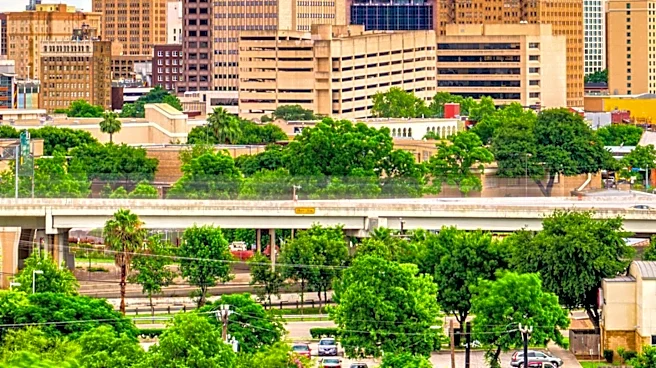
San Antonio has dramatically risen to the 9th position in national commercial real estate market rankings, a significant leap from its 76th spot just one year prior. This surge is primarily attributed to substantial investments in manufacturing and logistics,
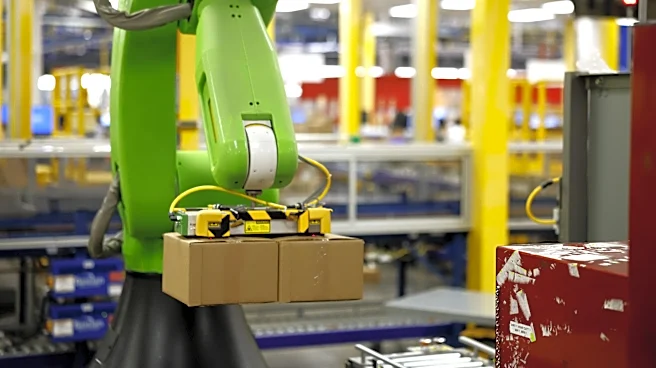
as reported by the National Association of Realtors' Commercial Real Estate Demand Index. The city's score of 120 well exceeds the average metro score of 100, with NAR economist Nadia Evangelou noting it as the largest one-year increase among all tracked markets. Key drivers include a $200 million advanced manufacturing facility by Industrial Electric Manufacturing at Brooks City Base, expected to create up to 3,000 jobs by 2030, and a major 2.5 million square foot expansion of Toyota's south side plant, which will bring Tacoma midsize pickup production back to San Antonio from Mexico and add 2,000 jobs. Additionally, logistics firms like Penske Logistics, GXO Logistics, and Hollingsworth Logistics have collectively leased approximately 1 million square feet, further tightening the industrial space market, which saw its lowest availability since 2023 at 12.2% in the third quarter.
Why It's Important?
San Antonio's rapid ascent in the industrial real estate rankings signifies a robust economic transformation and diversification for the city. This influx of manufacturing and logistics investment translates into significant job creation, enhancing local employment opportunities and potentially attracting a skilled workforce. The expansion of major companies like Toyota and the establishment of new facilities by Industrial Electric Manufacturing underscore a growing confidence in San Antonio's economic environment and its strategic location. This development can lead to increased tax revenues for the city, which can be reinvested into public services and infrastructure, further improving the quality of life for residents. Moreover, a thriving industrial sector often stimulates ancillary businesses, from construction to local services, creating a ripple effect of economic growth. The tightening industrial space market also indicates strong demand, which could lead to further development and investment, solidifying San Antonio's position as a key industrial hub in the U.S. This growth also highlights the importance of strategic planning and infrastructure development in attracting and retaining large-scale industrial projects.
What's Next?
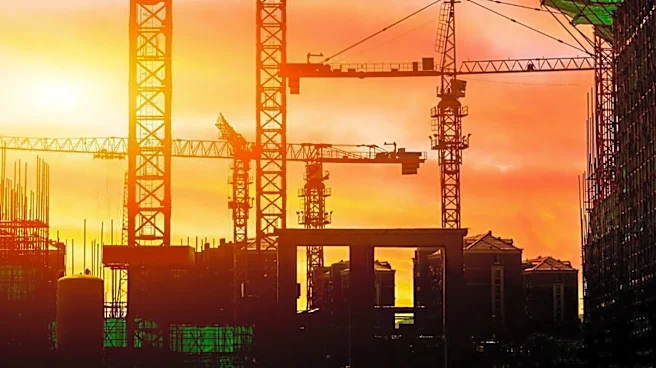
The current momentum suggests continued strong demand for industrial space in San Antonio, with expectations for robust activity extending into the fourth quarter of 2026. Industrial Electric Manufacturing's facility is planned for phased development, with construction and hiring timelines to be released in the coming months, indicating a sustained period of job creation. Toyota's expansion and the relocation of Tacoma production are also set to unfold, further solidifying the city's manufacturing base. Four new industrial projects broke ground in the third quarter, adding to nearly 2 million square feet already under development, signaling a continuous expansion of industrial infrastructure. Local officials and economic development agencies will likely focus on maintaining this growth by ensuring adequate infrastructure, a skilled workforce, and attractive business incentives. The increased activity could also prompt further investment in related sectors, such as housing and retail, to support the growing population and workforce. The city's ability to manage this rapid growth while ensuring sustainable development will be crucial.
Beyond the Headlines
San Antonio's industrial boom reflects a broader national trend of reshoring and nearshoring manufacturing, driven by supply chain vulnerabilities exposed during recent global events. The city's strategic location, robust transportation networks, and supportive business environment are likely key factors in attracting these investments. This shift could lead to a more resilient national economy, less reliant on overseas production. However, rapid industrial growth also presents challenges, including increased demand for energy, water, and transportation infrastructure, as well as potential environmental impacts. The city will need to balance economic development with sustainable practices and community planning to ensure long-term prosperity. Furthermore, the creation of thousands of new jobs will necessitate a focus on workforce development and training programs to equip residents with the skills required for these advanced manufacturing and logistics roles, potentially transforming the local educational landscape and creating new opportunities for vocational training and higher education partnerships.