



What's Happening?
The Pro Football Hall of Fame has implemented significant changes to its enshrinement process, marking the most substantial overhaul in decades. These revisions come after widespread criticism following former New England Patriots head coach Bill Belichick's
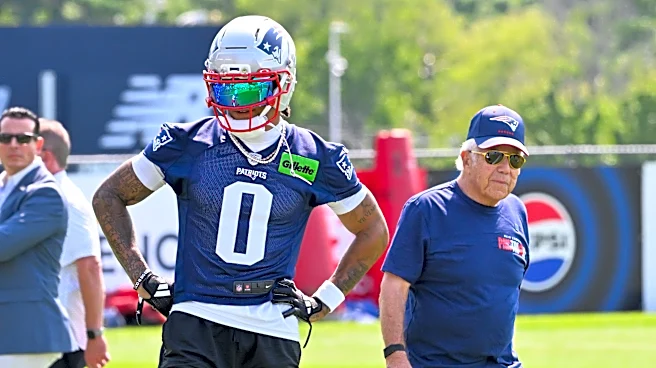
failure to be inducted in his first year of eligibility for the 2026 class. The selection committee has been reduced from 50 members to 28, comprising 27 at-large selectors and one Pro Football Writers Association representative. A major change is the elimination of the controversial 'seniors' designation, which previously grouped players retired for over 25 years into a separate pool. Now, all eligible former players will be considered in a single category after meeting the five-year waiting requirement. Previously, voters could only choose three out of five candidates when Belichick was grouped with Patriots owner Robert Kraft and three senior finalists, leading to a perceived disadvantage for Belichick. The Hall's president and CEO, Jim Porter, stated that the review of bylaws ensures the selection process reflects the highest standards of integrity.
Why It's Important?
These changes are crucial for the integrity and public perception of the Pro Football Hall of Fame, particularly in the U.S. sports landscape. The previous system, which led to Bill Belichick's initial exclusion despite his unparalleled coaching record, sparked significant debate and raised questions about the fairness and transparency of the selection process. Belichick's snub, along with that of Robert Kraft, highlighted structural issues where highly qualified candidates were forced to compete in limited voting slots. The overhaul aims to address these 'unintended biases' and inconsistencies, ensuring that deserving individuals are not overlooked due to procedural limitations. For players, coaches, and contributors, the streamlined process offers a clearer path to recognition, potentially reducing the influence of subjective grouping and market ties. The credibility of the Hall of Fame, a revered institution in American football, depends on its ability to honor the sport's greatest figures fairly, and these changes are a direct response to maintaining that trust among fans, players, and the media.
What's Next?
The revised bylaws will take effect for the 2027 election cycle. Under the new system, subcommittees will nominate one coach and one contributor candidate annually, alongside 13 ex-players, to form the final list of finalists. This structure aims to prevent situations where coaches or contributors are pitted directly against multiple senior players for limited spots, as happened with Belichick and Kraft. The annual election will also return to an in-person format, held the week before the Super Bowl, after a six-year hiatus. Additionally, a single non-committee member will now make all presentations at the selection meeting, intended to eliminate potential biases based on the presentation skills of individual voters. While these changes are designed to facilitate a more equitable selection, their ultimate impact on future inductions, particularly for figures like Belichick, remains to be seen. The Hall will need to demonstrate that the new process consistently identifies and honors the most deserving candidates to fully restore public confidence.
Beyond the Headlines
The overhaul of the Pro Football Hall of Fame's selection process extends beyond mere procedural adjustments; it reflects a broader institutional response to public scrutiny and evolving standards of fairness in sports. The controversy surrounding Belichick's initial snub underscored a tension between historical achievements and the subjective nature of committee voting, particularly when complex grouping rules are involved. This situation highlights the ethical imperative for prestigious organizations to regularly review and adapt their governance to maintain legitimacy. The reduction in committee size and the elimination of the seniors category suggest a move towards a more focused and potentially less fragmented decision-making body. However, some critics argue that a smaller committee might introduce new biases or limit the diversity of perspectives. The long-term shift could influence how football history is preserved and celebrated, emphasizing a more merit-based approach to enshrinement, while also setting a precedent for other sports halls of fame to re-evaluate their own selection methodologies in response to similar pressures.