





What's Happening?
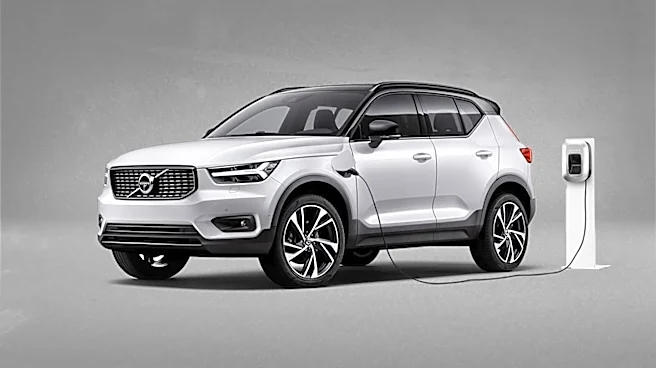
Volvo Cars USA is currently offering a comprehensive range of vehicles, including gas-powered SUVs with mild hybrid powertrains, T8 plug-in hybrids, and fully electric SUVs. The gas-powered SUV lineup includes the XC40, XC60, and XC90, all featuring mild hybrid technology.
For those seeking more electrified options, the XC60 and XC90 are also available as T8 plug-in hybrids. The brand has expanded its fully electric vehicle offerings with the EX30, EX40, and EX90 models. Additionally, Volvo provides the V60 Cross Country wagon for consumers looking for an alternative body style to SUVs. Dealerships like Volvo Cars Savannah and Volvo Cars Hilton Head in South Carolina are actively selling these new Volvo vehicles. The 2024 Volvo XC90 Recharge Plug-In Hybrid, for instance, is highlighted for its blend of luxury, performance, and sustainability, featuring a 2.0L turbocharged engine paired with electric power, and offering an electric mile range of 35 miles.
Why It's Important?
This diverse vehicle lineup from Volvo Cars USA is significant for several reasons. It demonstrates the automotive industry's ongoing shift towards electrification, offering consumers a spectrum of choices from mild hybrids to fully electric vehicles. This strategy allows Volvo to cater to varying consumer preferences and regulatory environments, particularly as demand for fuel-efficient and lower-emission vehicles grows in the U.S. The availability of both SUV and wagon body styles ensures a broader market appeal. The emphasis on plug-in hybrids and fully electric models positions Volvo competitively in the rapidly expanding EV market, contributing to reduced carbon emissions and potentially influencing other manufacturers to accelerate their electrification efforts. For consumers, this means more options for sustainable transportation, potentially leading to lower running costs and access to incentives for electric vehicle purchases. The inclusion of advanced features like the Bowers & Wilkins Premium Sound System and Lounge Package in models like the XC90 Recharge also highlights a focus on luxury and technological integration, appealing to a premium segment of the market.
What's Next?
Volvo Cars USA is expected to continue its push towards electrification, with a likely focus on expanding its fully electric vehicle offerings and enhancing the range and performance of its existing EV and plug-in hybrid models. The company will likely continue to leverage incentives and programs, such as the Costco Member-Only Incentive mentioned for the XC90 Recharge, to attract buyers to its electrified vehicles. Dealerships will play a crucial role in educating consumers about the benefits and features of these advanced powertrains. Future developments may include further integration of smart technologies and autonomous driving features across the lineup, aligning with broader industry trends. Volvo's commitment to sustainability suggests that future models will likely incorporate more recycled materials and sustainable manufacturing processes. The brand will also need to adapt to evolving charging infrastructure and battery technology to maintain its competitive edge in the U.S. market.
Beyond the Headlines
Volvo's strategic shift towards a diverse electrified lineup reflects a broader industry trend driven by environmental concerns, evolving consumer preferences, and government regulations aimed at reducing greenhouse gas emissions. This move has deeper implications for the U.S. automotive landscape, potentially accelerating the decline of purely internal combustion engine vehicles. The availability of various hybrid and electric options could influence consumer behavior, making the transition to electric vehicles more accessible and appealing to a wider demographic. Furthermore, Volvo's focus on luxury and advanced technology in its electrified models could set new benchmarks for premium electric vehicles, pushing competitors to innovate further. This also raises questions about the long-term sustainability of battery production and disposal, as well as the capacity of the national grid to support a fully electrified vehicle fleet. The success of Volvo's strategy could serve as a case study for other automakers navigating the complex transition to a more sustainable future.