










What's Happening?
Chinese company Moonshot AI has released a new version of its Kimi model, which has sparked significant discussion about China's role in open source AI. The Kimi K3 model, although not as powerful as some proprietary models like Claude Fable 5 and GPT
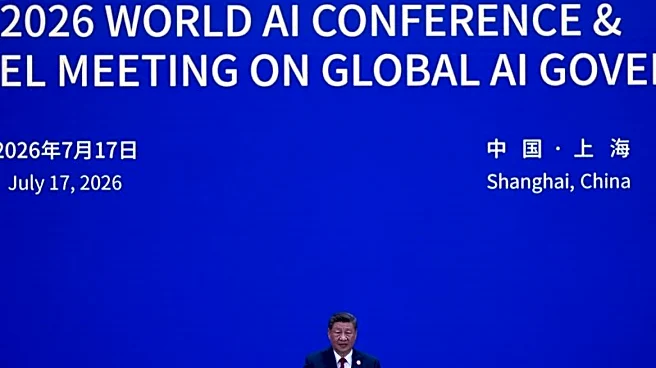
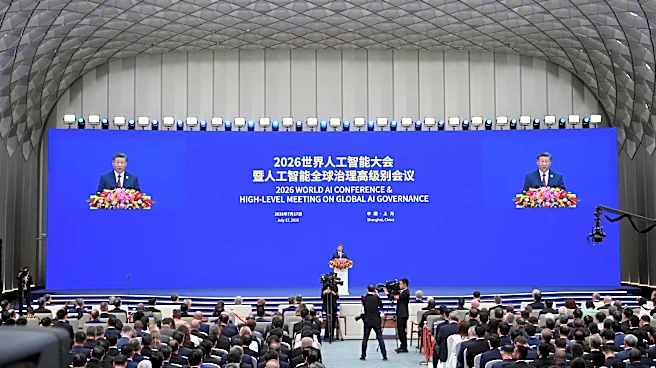
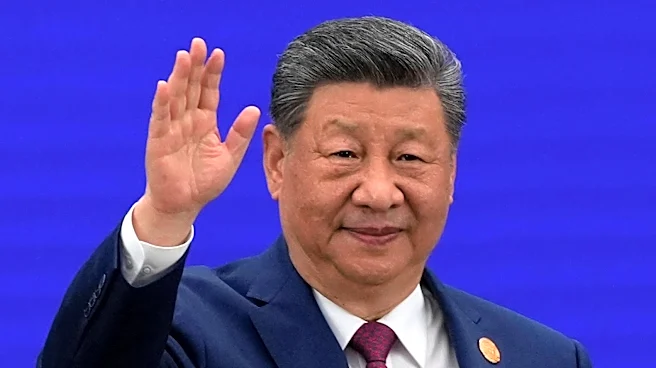
5.6 Sol, has shown competitive performance in evaluations. This development coincided with a speech by Chinese President Xi Jinping at the World AI Conference in Shanghai, leading to a drop in the Nasdaq as investors reacted by selling off stocks in chip companies such as Nvidia. The release has reignited debates reminiscent of those following the release of DeepSeek's R1 model in 2025, with heightened tensions due to the Trump administration's tariff war with China and concerns over national security threats posed by AI advancements.
Why It's Important?
The release of the Kimi model underscores the growing competition between the U.S. and China in the field of artificial intelligence. This development is significant as it highlights China's increasing capabilities in AI, which could potentially challenge U.S. dominance in the sector. The reaction from Wall Street, with a notable drop in tech stocks, reflects investor concerns about the implications of China's advancements. Furthermore, the discourse around the Kimi model raises questions about the future of AI regulation and the balance between open source innovation and national security. The U.S. may face pressure to respond with regulatory measures to protect its AI industry and maintain competitiveness.
What's Next?
The release of the Kimi model may prompt U.S. policymakers and industry leaders to consider new strategies to address the competitive threat posed by Chinese AI advancements. This could involve increased investment in domestic AI research and development, as well as potential regulatory actions to mitigate risks associated with open source models. The ongoing debate about the balance between innovation and security is likely to continue, with stakeholders from both the public and private sectors weighing in on the best path forward. Additionally, the U.S. may explore international collaborations to strengthen its position in the global AI landscape.
Beyond the Headlines
The Kimi model's release also highlights broader ethical and strategic considerations in the AI field. The potential for AI to be treated as a public good raises questions about the role of government in managing AI resources and the implications for global AI governance. The discourse around open source models and their regulation reflects deeper concerns about the future of AI development and the potential for geopolitical tensions to influence technological progress. As AI continues to evolve, these issues will likely shape the policies and strategies of nations seeking to harness its potential while safeguarding their interests.