




What's Happening?
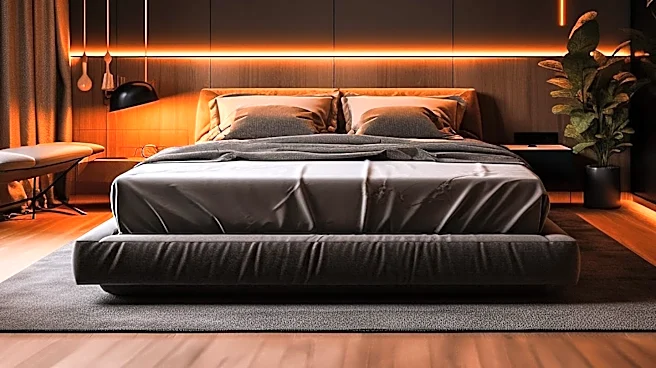
Mood lighting is being highlighted as a key element to create a cozy and relaxing atmosphere in homes, particularly as the fall and winter seasons approach. Sources suggest that rethinking illumination strategies can transform living spaces into inviting
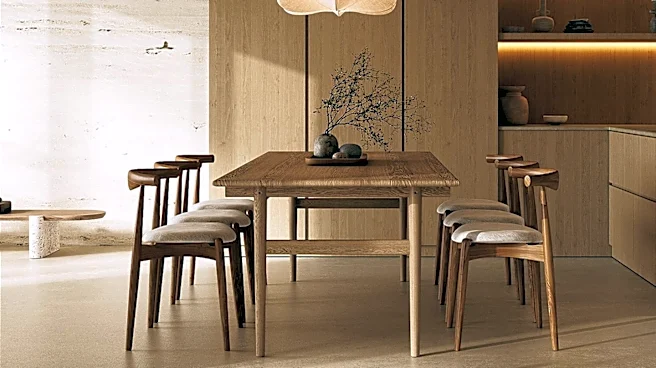
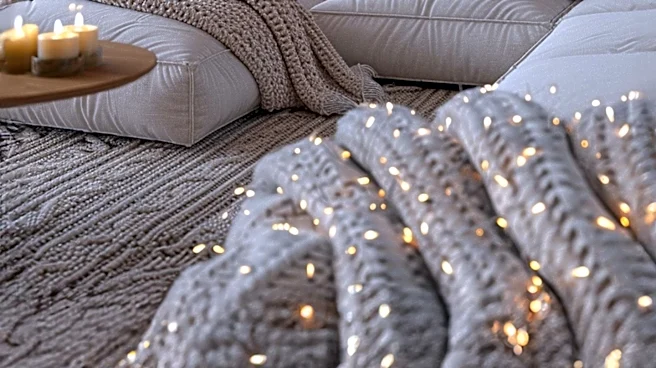
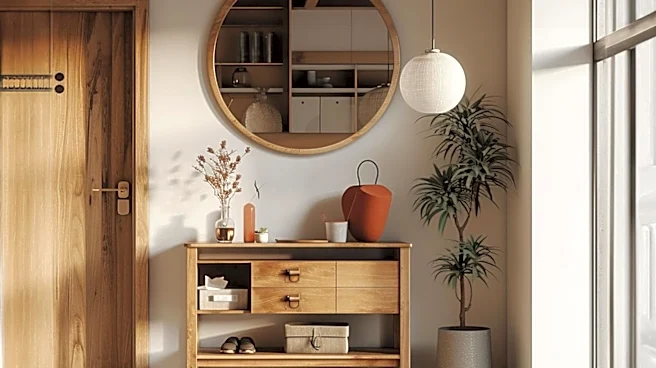
sanctuaries. Instead of relying on primary overhead ceiling lights, the focus is on layered lighting, combining ambient, task, and accent lighting. This approach involves using multiple, softer light sources placed at eye-level or lower to create pockets of warmth. Examples include table lamps with frosted glass diffusers, which soften light and provide an even glow, and Japandi-style lamps made with natural materials like wood and linen to add warmth. Smart light bulbs and dimmers are also emphasized for their convenience in adjusting brightness and setting different moods. The goal is to create a comfortable and aesthetically pleasing environment that encourages relaxation and coziness during colder months.
Why It's Important?
The emphasis on mood lighting reflects a broader trend in home design and personal well-being, particularly relevant in the U.S. where consumers are increasingly investing in home comfort and aesthetics. As people spend more time indoors during colder seasons, the quality of their living environment significantly impacts their mood and productivity. This trend benefits the home furnishings and smart home technology industries, driving demand for decorative lighting, smart bulbs, and dimmer systems. Retailers like IKEA are already promoting these concepts, indicating a growing market. For individuals, well-designed mood lighting can reduce eye strain, improve relaxation, and enhance the overall quality of life at home. It also allows for greater personalization of living spaces, catering to different activities and emotional states, from reading to winding down in the evening. The shift away from harsh overhead lighting towards softer, layered illumination signifies a move towards more mindful and intentional home environments.
What's Next?
The trend towards enhanced mood lighting is expected to continue, with further innovations in smart lighting technology and design. Consumers can anticipate a wider range of products that offer greater control over light color, intensity, and effects, potentially integrating with broader smart home ecosystems. Manufacturers may focus on developing more aesthetically pleasing and energy-efficient lighting solutions, including LED lights that offer both mood-setting capabilities and energy savings. The integration of dynamic lighting elements, such as projector lamps that create moving light effects, could become more common, offering immersive experiences. Additionally, there may be an increased focus on sustainable and natural materials in lighting fixtures, aligning with broader consumer preferences for eco-friendly products. Interior designers and home decor influencers will likely continue to promote these concepts, further embedding mood lighting as a standard element of modern home design.
Beyond the Headlines
Beyond its immediate aesthetic and comfort benefits, the growing emphasis on mood lighting touches upon deeper psychological and cultural implications. The deliberate creation of specific atmospheres through lighting can be seen as a response to the increasing demands of modern life, offering a sanctuary from external stressors. It highlights a cultural shift towards prioritizing personal well-being and creating intentional spaces for relaxation and rejuvenation. The use of smart lighting also raises questions about the increasing integration of technology into intimate domestic spaces and its potential impact on daily routines and habits. Furthermore, the focus on natural materials and organic shapes in lighting design reflects a desire for connection with nature and a rejection of overly sterile or artificial environments. This trend underscores the evolving relationship between humans and their living spaces, where lighting is not just functional but a powerful tool for emotional regulation and personal expression.