



What's Happening?
Shafnisky Electric, an electrical service provider in Center Valley, PA, emphasizes that successful smart home installations require foundational electrical upgrades. The company highlights that while smart devices themselves draw minimal power, the associated
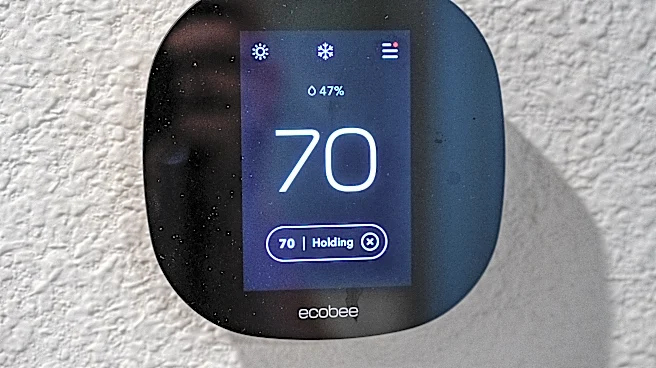
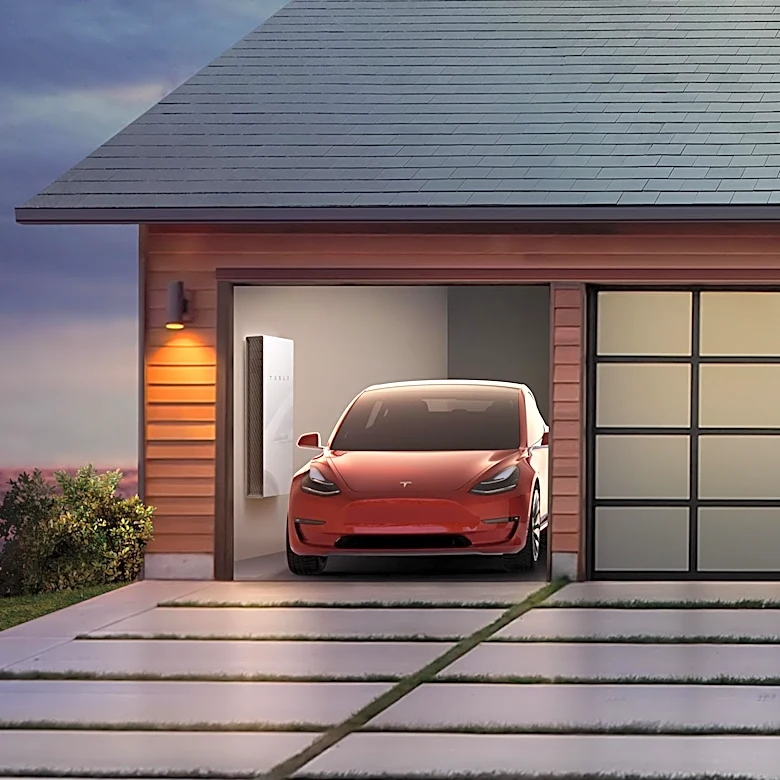
projects often demand increased electrical capacity. Key upgrades include panel upgrades, often to 200 amps, to accommodate new appliances like EV chargers, heat pumps, or induction ranges. Structured wiring is crucial for stable connections for critical smart devices such as cameras, door locks, and thermostats, as Wi-Fi alone can be insufficient. Additionally, many smart switches and dimmers require a neutral wire, which is often absent in older homes, necessitating wiring modifications. Shafnisky Electric conducts pre-installation checks to ensure electrical capacity and proper wiring, preventing issues like flickering lights or tripped breakers.
Why It's Important?
The need for foundational electrical upgrades for smart homes is critical for ensuring the reliability and safety of these advanced systems. Without adequate electrical infrastructure, smart devices can malfunction, leading to user frustration and potential safety hazards. This information is particularly important for homeowners in Center Valley, PA, and similar regions with older housing stock, as their existing electrical systems may not be equipped to handle the demands of modern smart technology. For the electrical contracting industry, this trend signifies a growing demand for specialized smart home electrical services, requiring expertise in both traditional wiring and networked device integration. It also underscores the importance of professional consultation before investing in smart home technology to avoid costly retrofits or performance issues.
What's Next?
As smart home technology continues to evolve and become more prevalent, the demand for expert electrical upgrades will likely increase. Homeowners considering smart home installations should prioritize a thorough electrical assessment by qualified professionals like Shafnisky Electric. This proactive approach can prevent common issues and ensure a seamless integration of smart devices. The industry may see a rise in specialized training and certifications for electricians focusing on smart home systems, further professionalizing this niche. Additionally, new construction will increasingly incorporate structured wiring and higher electrical capacities as standard to meet future smart home demands.
Beyond the Headlines
The integration of smart home technology goes beyond convenience; it touches upon fundamental aspects of home safety, energy efficiency, and long-term property value. The requirement for robust electrical infrastructure highlights the often-invisible complexity behind seemingly simple smart devices. This also raises questions about the digital divide, as older homes or those in lower-income areas may face higher barriers to adopting smart home technology due to the cost of necessary electrical upgrades. Furthermore, the reliance on structured wiring for critical systems like security and climate control underscores the importance of cybersecurity and data integrity, as these hardwired connections become integral to a home's overall functionality and protection.