

What's Happening?
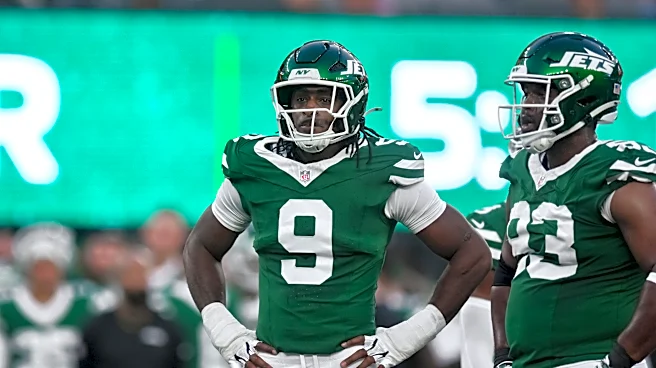
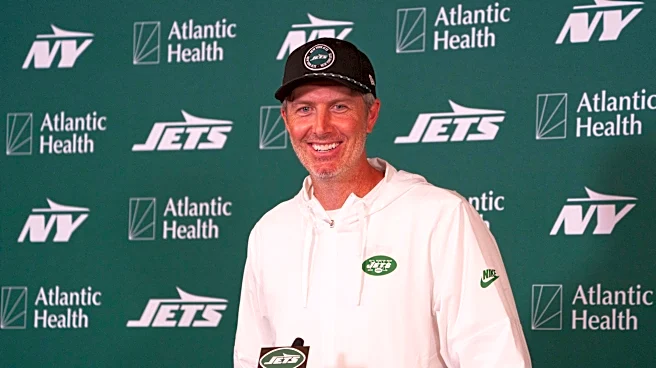
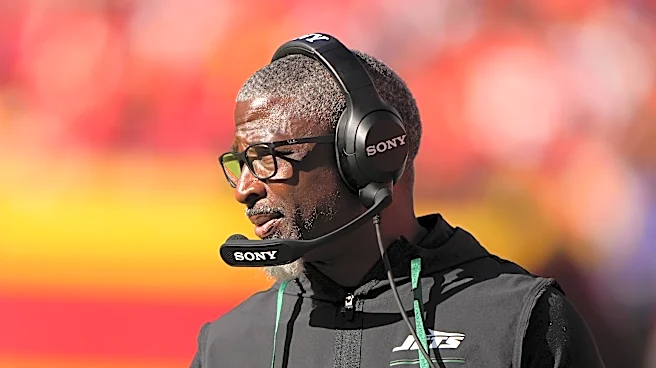
New York Jets head coach Aaron Glenn is openly considering giving up his defensive play-calling responsibilities as the team's defense has significantly underperformed in recent weeks. Glenn, who took over play-calling this season, acknowledged the difficulty
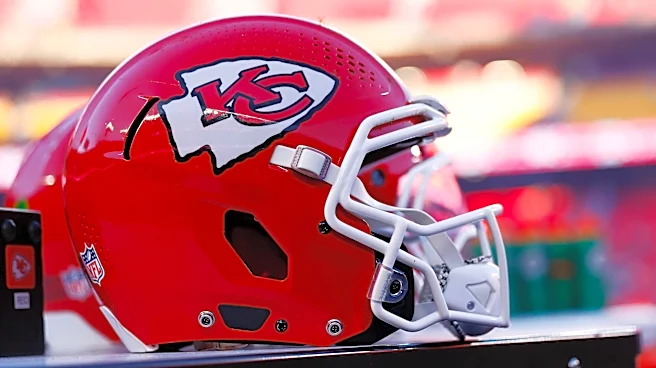
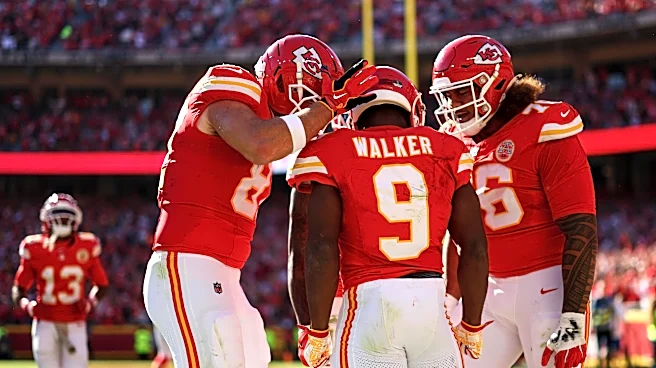
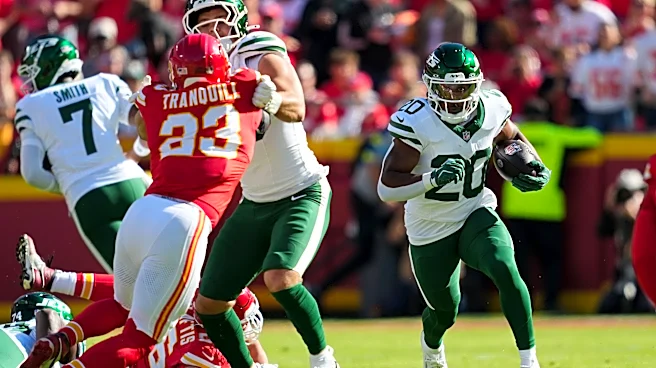
of balancing head coaching duties with managing the defense on game days. The Jets' defense has allowed an NFL-worst 127 points over their last four games, including a 35-12 loss to the Kansas City Chiefs where they surrendered 21 unanswered points in the second half. While Glenn stated he is 'looking at everything' to improve the team, he did not commit to making the change. The defense started the season strong, contributing to early wins, but has shown a clear regression, particularly in second-half performances. This comes as the team's overall record has fallen to 2-7, leading to increased scrutiny on Glenn's coaching decisions and overall tenure.
Why It's Important?
This potential shift in responsibilities highlights the significant pressure on NFL head coaches to deliver results, especially when a key unit like the defense is underperforming. For the Jets, a change in defensive play-calling could be a critical move to salvage their season and potentially Glenn's job security. If Glenn delegates play-calling, it could allow him to focus more broadly on game management, offensive strategy, and special teams, which might lead to more cohesive team performance. Conversely, if the defense continues to struggle even with a new play-caller, it could indicate deeper systemic issues within the team or coaching staff. The decision also impacts defensive coordinator Brian Duker, who would likely assume play-calling duties, placing him under immediate scrutiny. The performance of the defense directly affects the team's ability to compete, and continued struggles could lead to further fan disillusionment and organizational changes.
What's Next?
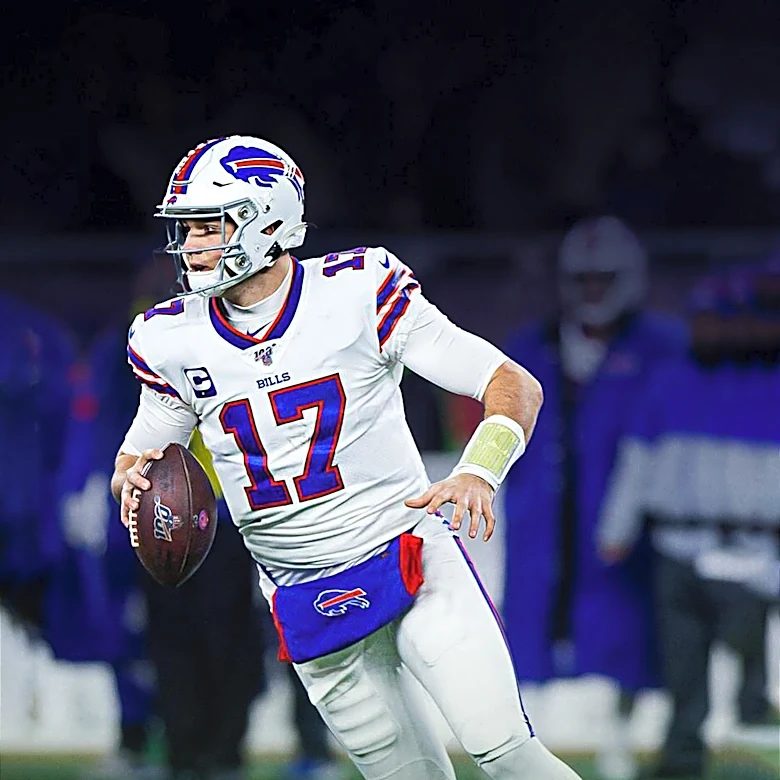
The Jets will face the Buffalo Bills in Week 10, presenting another significant challenge for their struggling defense. Glenn's decision on whether to relinquish play-calling duties could come before this game or in the immediate future, depending on his assessment of the team's needs. If a change is made, defensive coordinator Brian Duker would likely step into the play-calling role, and his performance would be closely monitored. The team's upcoming games will be crucial in determining the effectiveness of any adjustments made. Continued losses could further solidify opinions that Glenn's tenure is unsustainable, potentially leading to more drastic changes within the coaching staff or front office. The focus will be on whether the defense can regain its early-season form and if any coaching adjustments can lead to improved on-field results.
Beyond the Headlines
The situation with Aaron Glenn and the Jets reflects a broader trend in professional sports where coaches often face immense pressure to specialize or delegate when their primary responsibilities become overwhelming. The 'superpower' Glenn referred to, his defensive play-calling, has become a point of contention, illustrating how a strength can turn into a perceived weakness under poor performance. This scenario also touches upon the psychological aspect of leadership in high-stakes environments; admitting the need to delegate can be seen as both a sign of weakness and a strategic move for the greater good of the team. The long-term implications for Glenn's coaching career, regardless of the outcome this season, will be shaped by how he navigates this critical period and whether he can demonstrate adaptability and effective leadership in the face of adversity.