




What's Happening?
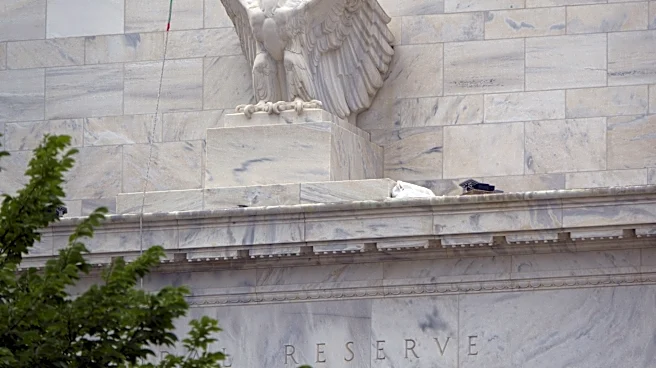
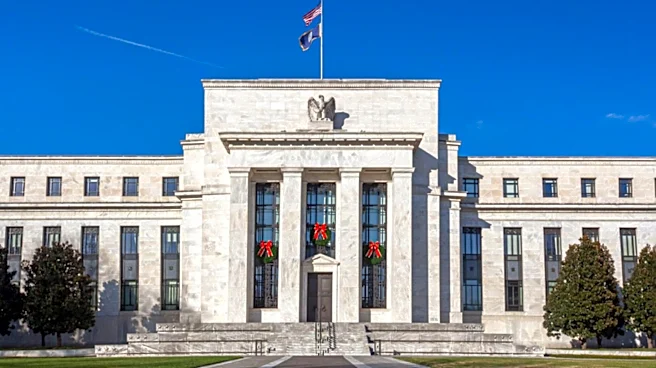
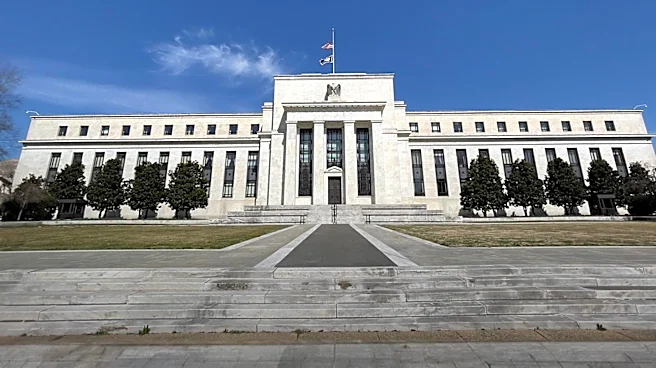
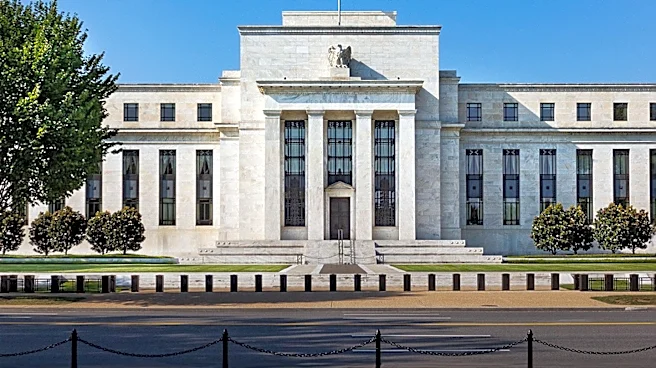
The Federal Reserve's annual stress test has confirmed that the largest U.S. banks are well-capitalized and capable of withstanding a severe recession. The test, which included 32 major banks, projected over $708 billion in loan losses under a hypothetical
recession scenario. Despite these losses, all banks maintained capital levels above the minimum regulatory requirements. The scenario envisioned a 39% decline in commercial real estate prices, a 30% drop in home prices, and unemployment rising to 10%. The results indicate that the banks can continue lending to households and businesses even in adverse economic conditions.
Why It's Important?
The stress test results provide reassurance about the stability and resilience of the U.S. banking system. By demonstrating their ability to withstand significant economic shocks, these banks can maintain investor confidence and support economic recovery efforts. The findings are crucial for policymakers and regulators as they assess the health of the financial system and its capacity to support economic growth. The ability of banks to absorb substantial losses without compromising their capital positions underscores the effectiveness of regulatory measures implemented since the 2008 financial crisis.
What's Next?
The Federal Reserve will continue to monitor the financial health of major banks and adjust regulatory frameworks as needed to ensure stability. Banks may use the stress test results to refine their risk management strategies and capital allocation decisions. Policymakers will likely consider these findings in future regulatory discussions, potentially influencing the development of new financial regulations. The ongoing assessment of banks' resilience will be critical in maintaining a robust financial system capable of supporting economic growth.