


What's Happening?
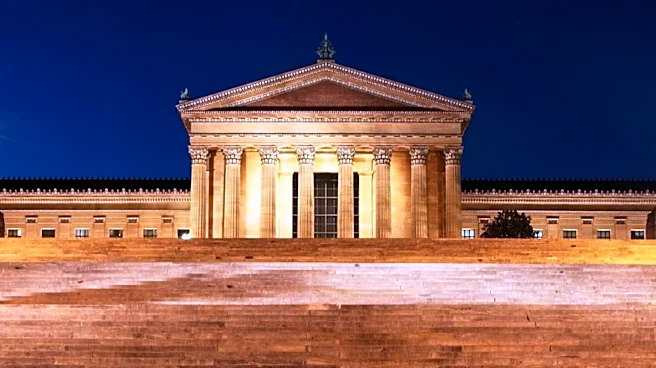
Philadelphia recently hosted a Guinness World Record-breaking event where 570 fans dressed as the iconic character Rocky Balboa gathered at the steps of the Philadelphia Museum of Art. This event, held on a Friday, was part of a month-long celebration
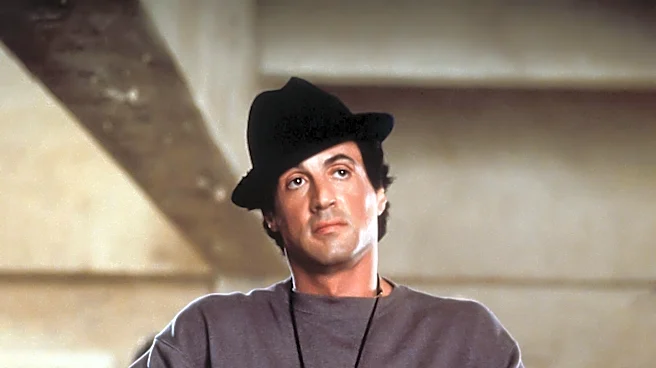
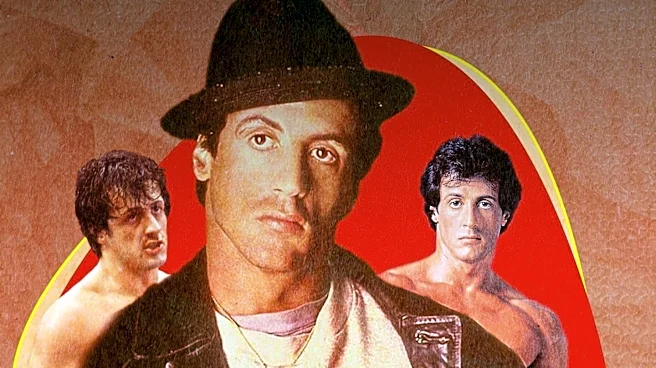
honoring the 50th anniversary of the film 'Rocky.' Participants donned the character's signature attire: a black beanie, gray sweatpants and sweatshirt, and black high-top Converse sneakers. The gathering surpassed the Guinness requirement of 250 participants. The city's festivities also included a sprint up the museum steps, a rededication of the permanent Rocky statue, and a 'meat market challenge' allowing fans to recreate a training scene from the movie. On the following Saturday, tourism officials anticipated 45,000 runners from 75 countries and all 50 U.S. states would participate in a 'Rocky Run' throughout the city. The 1976 film, written by Sylvester Stallone, tells the story of a small-time boxer from South Philly who fights the heavyweight champion Apollo Creed, ultimately winning the heart of Adrian. The movie, made for less than $1 million with an unknown Stallone, went on to win the Best Picture Oscar and became the highest-grossing sports movie of its time.
Why It's Important?
This event highlights the enduring cultural impact of the 'Rocky' franchise, particularly its connection to Philadelphia. The record-breaking turnout demonstrates the film's sustained popularity and its ability to draw significant public engagement decades after its release. For Philadelphia, these celebrations serve as a major tourism driver, attracting thousands of visitors from around the globe. The 'Rocky Run' alone is expected to bring 45,000 participants, generating substantial economic activity for local businesses, hotels, and restaurants. The film's themes of resilience and perseverance resonate widely, making it a powerful symbol for the city and its residents. The continuous recognition, including the permanent installation of the Rocky statue and annual events like 'Rocky Day' and 'Rocky Fest,' solidifies the film's place in American cinematic history and its role in shaping Philadelphia's identity as a destination for fans worldwide. This cultural phenomenon also underscores the power of storytelling in creating lasting legacies and community engagement.
What's Next?
Following the record-breaking gathering, Philadelphia will continue its month-long 'Rocky' celebrations, which are expected to draw further participation and tourism. The 'Rocky Run' with 45,000 participants is a significant immediate event, further cementing the city's role as the spiritual home of the franchise. The ongoing festivities, which began with the release of Sylvester Stallone’s memoir, 'The Steps,' on September 29, suggest a sustained effort by the city and tourism officials to leverage the film's legacy. Future events may include continued fan gatherings, screenings, and potentially new initiatives to engage with the film's themes. The success of this year's celebrations could also influence the planning of future annual 'Rocky Fest' events, potentially expanding their scope and reach. The enduring popularity of the franchise may also inspire further cinematic or literary works related to the 'Rocky' universe, maintaining its cultural relevance for years to come.
Beyond the Headlines
The enduring appeal of 'Rocky' extends beyond mere entertainment, touching upon deeper themes of the American dream, perseverance against adversity, and the underdog spirit. The film's narrative, centered on a working-class boxer achieving greatness, continues to inspire audiences globally, reflecting universal aspirations for success and recognition. The physical act of running up the museum steps, a ritual for many fans, symbolizes overcoming personal challenges and striving for one's goals. This cultural phenomenon also highlights the power of cinema to create lasting symbols and traditions that transcend generations. The city of Philadelphia has successfully integrated the 'Rocky' narrative into its civic identity, using it as a tool for tourism and community pride. This symbiotic relationship between a fictional character and a real city demonstrates how popular culture can shape urban landscapes and foster a sense of shared heritage, creating a unique cultural landmark that draws people from all walks of life.