
What's Happening?
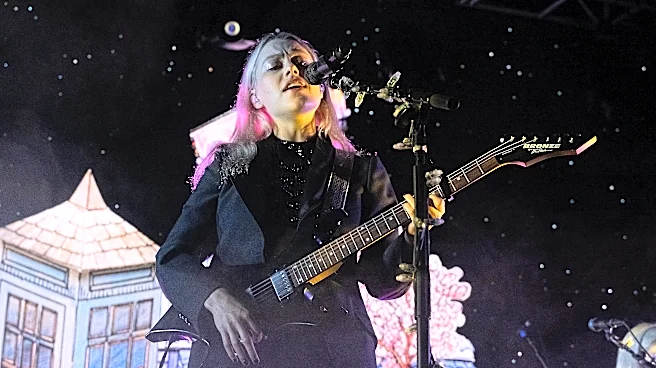
Reports circulated on social media platforms, particularly X, claiming that Matty Healy of The 1975 made a surprise guest appearance with Phoebe Bridgers during her 'Lost Tour' show. These posts quickly
went viral, leading to widespread excitement and discussion among fans. However, the individuals who initially spread these claims later issued statements clarifying that the story was fabricated. They admitted to starting a rumor and apologized for the resulting distress and confusion. The original posters stated that their intention was to manifest a collaboration rather than to deceive the public, acknowledging that the 'About You' singer was not present at the Boygenius member's concert.
Why It's Important?
This incident highlights the rapid spread of misinformation on social media and its potential impact on public perception, particularly within the entertainment industry. The quick virality of the false collaboration rumor demonstrates how easily unverified information can be disseminated and accepted as fact by a large audience. For artists and their management, such incidents can lead to unnecessary speculation, fan disappointment, and the need for clarification. It also underscores the responsibility of social media users to verify information before sharing, as well as the platforms' role in addressing the spread of false narratives. The event serves as a case study in how online communities can collectively generate and perpetuate rumors, even when the initial intent might be perceived as harmless by the originators.
What's Next?
While the immediate impact of this specific rumor has been addressed by the debunking statements from the original posters, the broader implications for how news and rumors are consumed and spread on social media remain relevant. This event may prompt increased scrutiny from fans and media outlets regarding unverified claims, especially those originating from unconfirmed social media accounts. It could also lead to artists and their teams being more proactive in addressing or preventing the spread of false information about their activities. The incident serves as a reminder of the ongoing challenge of distinguishing between genuine news and fabricated content in the fast-paced digital landscape.
Beyond the Headlines
The incident delves into the psychological and social dynamics of fan culture and online communities. The creators of the rumor explicitly stated their actions were a 'manifestation ritual,' suggesting a desire to influence reality through collective belief and online activity. This reveals a fascinating aspect of fan engagement where the line between wishful thinking and deliberate deception can become blurred. It also raises questions about the ethical boundaries of online interaction and the collective responsibility of users in maintaining a truthful information environment. The rapid apology and acknowledgment of accountability from the rumor spreaders, while commendable, also illustrate the potential for social pressure and backlash when misinformation is exposed.