

What's Happening?
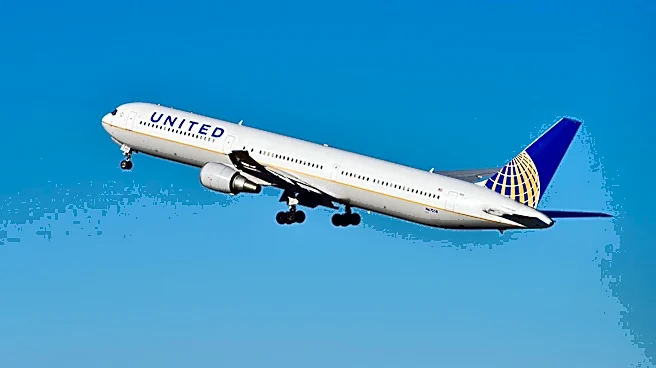
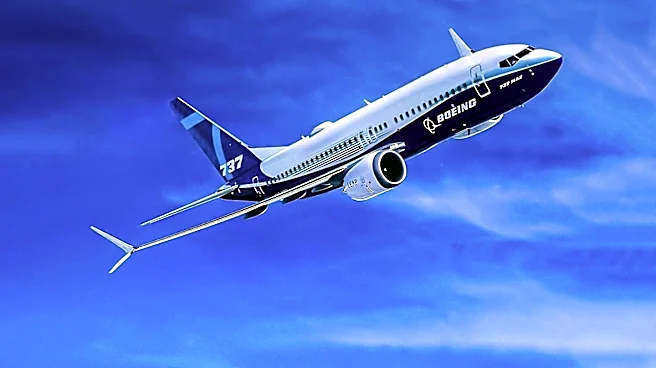
United Airlines is grappling with decisions regarding the interior configuration of its Boeing 737 Max 10 aircraft due to significant certification delays. The airline had initially planned to equip these planes with lie-flat, premium seats for profitable
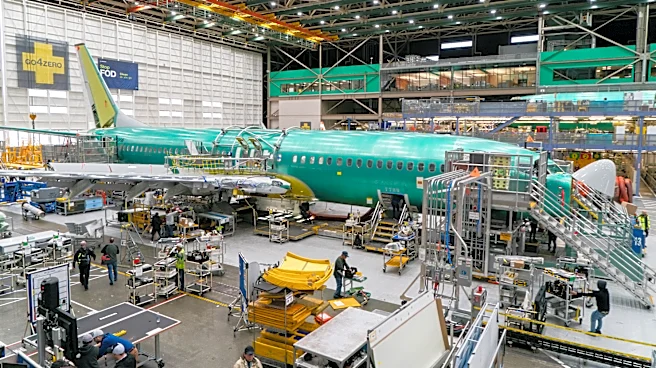
transcontinental routes, with an expected service start in 2020. However, the certification of the 737 Max 10, the largest model in the 737 Max family, is far behind schedule, leading to hundreds of these specialized seats being held in storage. United's CEO, Scott Kirby, noted that these seats do not fit on other aircraft, creating a dilemma for the airline. The delays stem from Boeing's need to redesign an anti-icing system and increased scrutiny following various safety and manufacturing crises. While Boeing recently secured approval for the smaller 737 Max 7, with Southwest Airlines anticipating its use by the first half of 2027, the Max 10's approval is still pending. United expects to receive its first Boeing Max 10s in summer 2027, with 167 aircraft on order.
Why It's Important?
This situation highlights the significant operational and financial challenges airlines face due to manufacturing delays and regulatory hurdles in the aerospace industry. United Airlines' predicament with specialized seating underscores the intricate planning and substantial investment involved in fleet modernization and route strategy. The inability to deploy these premium seats as planned can impact revenue projections, especially for high-yield transcontinental routes where such amenities are crucial for competitive advantage. Furthermore, the ongoing delays with the Boeing 737 Max 10 could force United to re-evaluate its long-term fleet strategy and cabin configurations, potentially affecting passenger experience and market positioning. The broader implications extend to Boeing, as continued delays can strain relationships with major customers and impact its reputation and future order books, especially as airlines seek reliability and timely delivery for their expansion plans.
What's Next?
United Airlines must decide on the layout and deployment strategy for its Boeing 737 Max 10 fleet as it anticipates federal approval for the aircraft. The airline will need to determine how to integrate the stored lie-flat seats or potentially reconfigure its plans, especially since its initial designs predated the introduction of premium economy sections. Boeing's immediate next step is to secure federal approval for the 737 Max 10, which is crucial for its customers like United to proceed with their operational plans. Once certified, Boeing will focus on ramping up production and deliveries to fulfill outstanding orders. United will then proceed with outfitting the aircraft and integrating them into its network, likely prioritizing key transcontinental routes. The industry will also be watching for any further redesigns or modifications Boeing might implement to address regulatory concerns, which could further influence delivery timelines and airline operational adjustments.
Beyond the Headlines
The ongoing saga of the Boeing 737 Max series, particularly the Max 10, extends beyond immediate operational concerns for airlines. It raises deeper questions about the regulatory oversight process for new aircraft, the pressures on manufacturers to innovate while maintaining stringent safety standards, and the ripple effects across the global aviation supply chain. The redesign of the anti-icing system and increased scrutiny following past crises indicate a shift towards more rigorous safety evaluations, which, while necessary, can lead to prolonged development cycles. This situation also highlights the strategic risks airlines undertake when placing large orders for uncertified aircraft, relying on manufacturer timelines that can be subject to unforeseen delays. The long-term implications could include airlines diversifying their fleets more aggressively to mitigate risks associated with a single manufacturer or aircraft type, and a potential re-evaluation of how future aircraft development and certification processes are managed to balance innovation with safety and timely delivery.