




What's Happening?
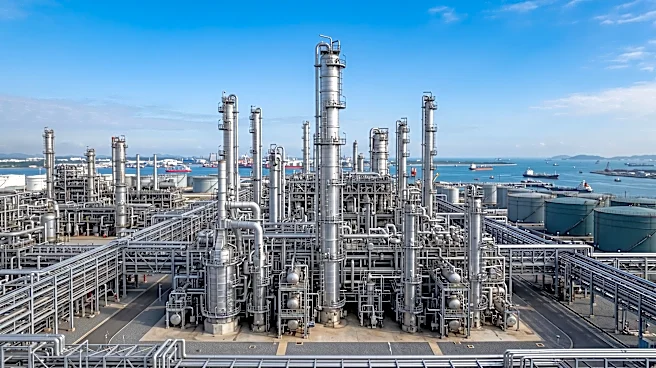
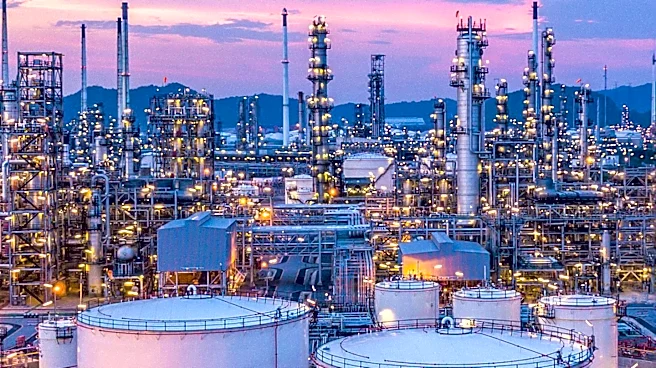
Saudi Aramco, in collaboration with its South Korean affiliate S-OIL, has inaugurated the $7 billion Shaheen petrochemical project in Ulsan, South Korea, on November 25. This significant investment introduces the first major commercial deployment of Aramco's
proprietary thermal crude-to-chemicals (TC2CTM) technology. The complex is designed to integrate refining capabilities with advanced petrochemical production, featuring the world's largest single steam cracker, a propylene fractionator, crude-to-chemicals conversion facilities, and polymer production units. While construction is complete, commercial operations are anticipated to commence in 2027. The project is expected to boost S-OIL's annual petrochemical production capacity by approximately 3.2 million tons, positioning the company as a key player in the global market for high-value polymers and advanced materials. This development occurs at a time when South Korea's chemicals industry is grappling with oversupply and a push to reduce excess ethylene capacity.
Why It's Important?
The Shaheen project represents a substantial strategic move by Saudi Aramco to expand its downstream operations and leverage its advanced crude-to-chemicals technology. For S-OIL, this investment is transformative, significantly increasing its petrochemical output and enhancing its competitive standing in the global supply chain for polymers and advanced materials. The project's scale, particularly its new ethylene capacity, is notable as it accounts for a significant portion of South Korea's targeted ethylene capacity reduction. This could lead to increased competition within the plastics markets, potentially forcing existing polyethylene producers to re-evaluate their strategies and future investments. The success of this venture will largely depend on global demand, production costs, and profit margins once the plant becomes fully operational, highlighting the inherent risks and opportunities in large-scale petrochemical investments.
What's Next?
Commercial operations for the Shaheen petrochemical complex are slated to begin in 2027. Following the commencement of operations, the market will closely observe the project's impact on global polyethylene supply and the broader petrochemical landscape. The integration of Aramco's TC2CTM technology will be a key factor in determining the project's economic viability and its ability to compete with older, less integrated facilities. South Korean petrochemical manufacturers, already facing oversupply challenges, will need to adapt to the increased capacity brought by Shaheen. The project's performance will also influence future investment decisions in the petrochemical sector, particularly regarding the adoption of advanced crude-to-chemicals technologies and strategies for managing global overcapacity.
Beyond the Headlines
The Shaheen project underscores a broader trend in the energy sector where major oil producers like Aramco are increasingly investing in downstream petrochemicals to diversify their revenue streams and capture more value from crude oil. The deployment of advanced crude-to-chemicals technology signifies a shift towards more efficient and integrated production processes, potentially setting new industry standards. However, the timing of this massive investment, amidst South Korea's efforts to reduce excess ethylene capacity, raises questions about the long-term sustainability of such large-scale projects in an already saturated market. It highlights the complex interplay between national industrial policy, global market dynamics, and technological innovation in shaping the future of the petrochemical industry. The project's success could either validate the strategy of technological integration or exacerbate existing oversupply issues, depending on future market conditions.