






What's Happening?
China's central bank is reportedly considering a significant shift in its monetary policy framework by making the interbank overnight repo rate its main policy rate. This move would replace the current seven-day reverse repo rate, which has served as the primary
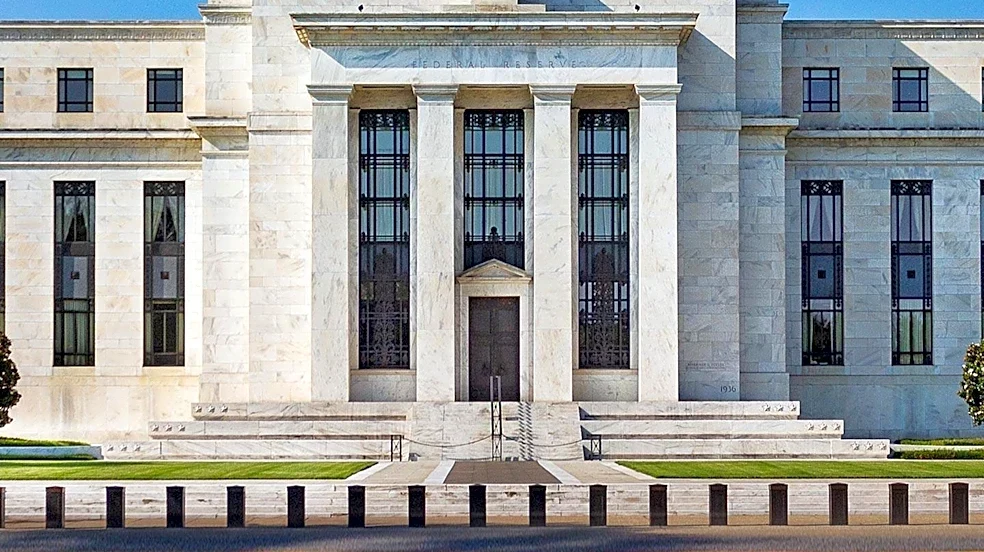
benchmark since 2024. People's Bank of China Governor Pan Gongsheng stated that the overnight repo rate has effectively become the target rate for the PBOC's monetary policy, as it sensitively reflects short-term liquidity supply and demand and has shown greater stability. This change aims to enhance the precision of interest rate control and bring China's policy framework more in line with global peers, including the US Federal Reserve, which already utilizes overnight rates as their main policy rates to better anchor the yield curve. Following this announcement, China's 30-year government bond yield saw a slight decrease.
Why It's Important?
This potential policy shift by China's central bank holds significant implications for global financial markets and the U.S. economy. By aligning its monetary policy framework with that of the US Federal Reserve, China aims to improve the transmission of monetary policy, which could lead to more predictable and stable financial conditions. For the U.S., a more stable and transparent Chinese financial system could reduce global economic uncertainties, potentially benefiting international trade and investment. The move also signifies a broader trend of convergence in central banking practices, where major economies adopt similar tools to manage liquidity and inflation. This alignment could facilitate greater coordination in global monetary policy, especially during periods of economic stress. Furthermore, the increased control over liquidity conditions and the potential for smoother yuan internationalization could impact currency markets and the competitive landscape for global reserve currencies, indirectly affecting the U.S. dollar's standing.
What's Next?
The People's Bank of China is expected to announce the actual operating rate for overnight reverse repos when the switch is officially made. This change is not intended as a rate cut but rather a structural adjustment to the monetary policy framework. The PBOC also plans to issue policy guidance to advance reforms in loan pricing benchmarks, moving away from a sole reliance on the loan prime rate (LPR) towards a more diversified set of benchmarks. This reform could allow financially strong companies to choose between the interbank overnight repo rate or the LPR for floating-rate loans. Additionally, the PBOC intends to expand the eligibility for its Standing Lending Facility and introduce a liquidity support tool for non-bank financial institutions, including insurers and fund managers. These measures aim to bolster liquidity support and provide a backstop during periods of market stress, further integrating China's financial system with global standards.
Beyond the Headlines
The proposed shift in China's monetary policy framework to an overnight rate, mirroring the US Federal Reserve's approach, represents a deeper strategic move towards modernizing its financial system and enhancing its global integration. This alignment is not merely technical; it reflects a growing recognition of the interconnectedness of global financial markets and the need for consistent policy tools to manage cross-border capital flows and maintain stability. The move could foster greater confidence among international investors in China's financial markets, potentially increasing foreign direct investment and portfolio inflows. Ethically, this convergence raises questions about the balance between national sovereignty in monetary policy and the benefits of global harmonization. It also highlights the ongoing evolution of central banking in response to complex economic challenges, where transparency and predictability are becoming paramount. The long-term implications could include a more robust and resilient global financial architecture, but also increased scrutiny and potential for coordinated policy responses during future economic crises.