




What's Happening?
Nvidia has announced its acquisition of open-source AI startup Hugging Face for nearly $13 billion. This significant deal, valued at $12.9 billion for shareholders and an additional $1 billion in equity for employee retention, marks Nvidia's substantial
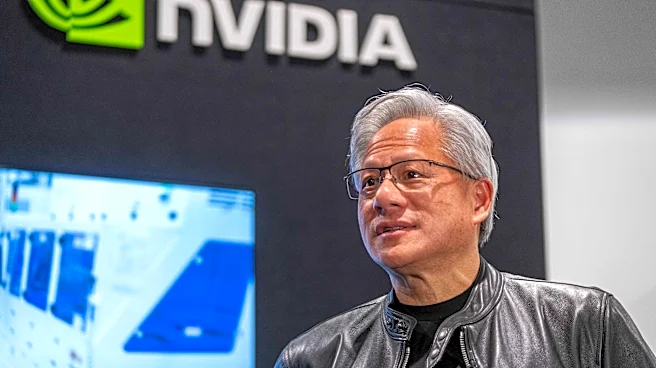
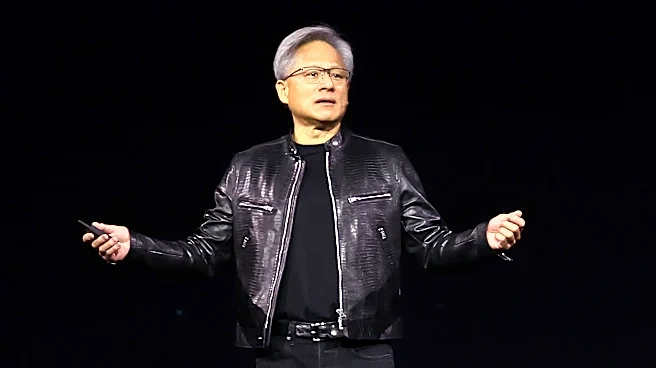
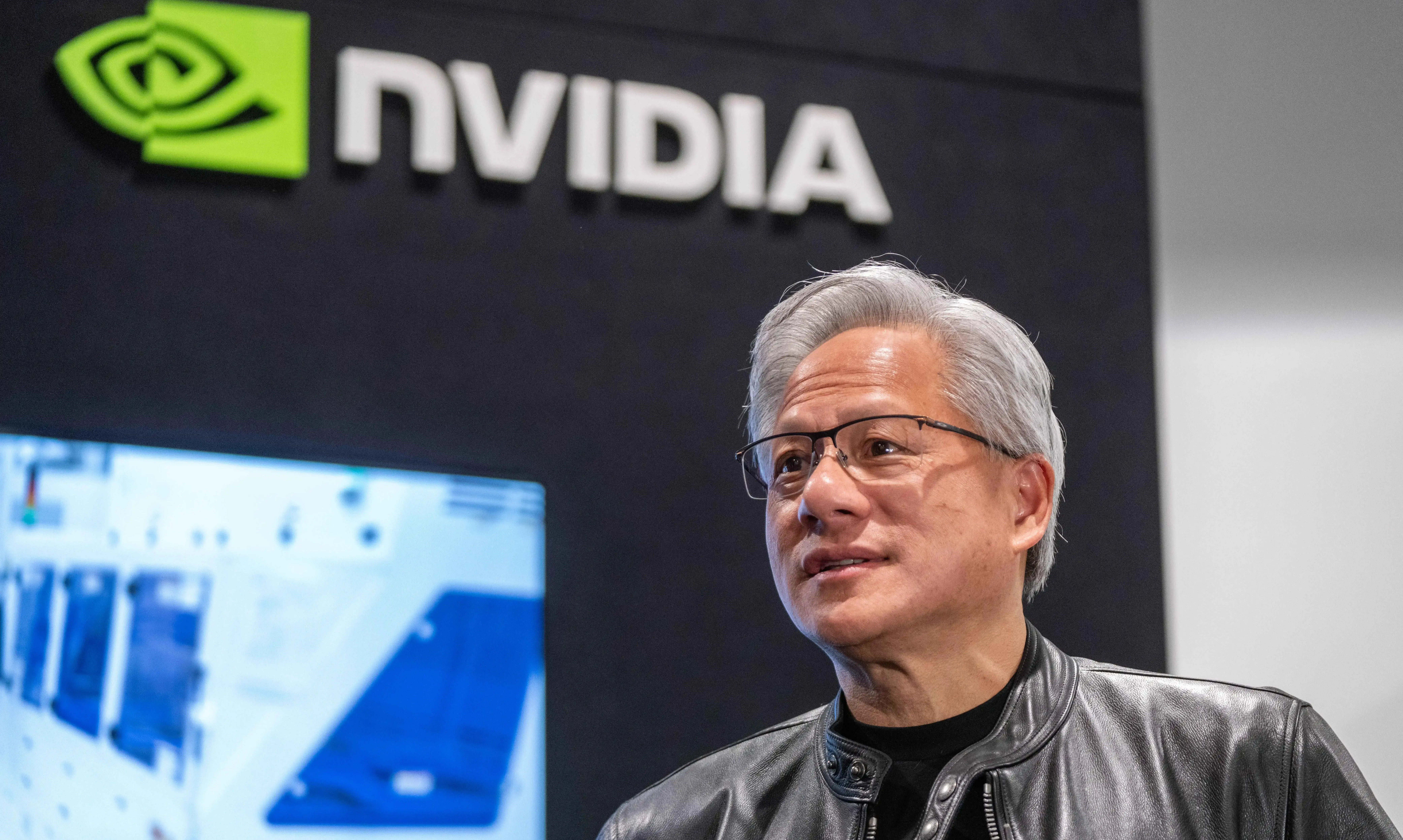
investment in expanding the reach of open-source AI technology. Hugging Face is a prominent platform for hosting and accessing open-source AI models and datasets, used by over 18 million developers and researchers and 200,000 enterprise customers. The acquisition comes after Hugging Face reportedly turned down a $500 million investment from Nvidia last year, seeking to maintain independence. Hugging Face CEO Clem Delangue stated that the decision to pursue the deal was driven by the realization that open-source AI needed more resources, scale, and visibility. Nvidia CEO Jensen Huang has affirmed the company's commitment to keeping the platform open, aiming to make AI more accessible globally.
Why It's Important?
This acquisition is a pivotal moment for the U.S. AI ecosystem and the broader technology industry. Nvidia, a leading AI chipmaker, is not only solidifying its position as a hardware provider but also making a strategic move into the software and platform layers of AI development. By acquiring Hugging Face, Nvidia gains control over a critical hub for open-source AI, potentially influencing the direction and accessibility of AI innovation. This could accelerate the development and deployment of AI across various industries by providing developers with enhanced tools and resources. The deal also highlights the ongoing debate between open-source and closed AI models; Nvidia's commitment to keeping Hugging Face open could bolster the open-source movement, promoting transparency and collaborative development. For businesses, this means potentially greater access to customizable AI models, fostering innovation and reducing reliance on proprietary solutions. However, it also raises questions about market concentration and Nvidia's growing influence over the entire AI value chain.
What's Next?
The acquisition is expected to close in the first half of next year. Following the closure, Nvidia will likely focus on integrating Hugging Face's platform and resources into its broader AI ecosystem, while maintaining its open-source nature as promised by CEO Jensen Huang. This could involve providing more computational resources, developer tools, and support for the millions of users on Hugging Face. The deal is also expected to further fuel Nvidia's growth and solidify its role as a foundational technology provider for the AI boom. Competitors in both the hardware and software sectors will be closely watching Nvidia's moves, potentially leading to increased investments in their own open-source initiatives or strategic acquisitions to counter Nvidia's expanded influence. The long-term impact on the open-source AI community, including potential changes in governance or resource allocation, will also be a key area to observe.
Beyond the Headlines
Nvidia's acquisition of Hugging Face transcends a typical corporate merger; it represents a significant strategic play in the ideological battleground of AI development—open versus closed models. By championing open-source AI through this acquisition, Nvidia is not just expanding its market share but also shaping the future philosophy of AI. This move could democratize AI development, making advanced tools and models accessible to a wider range of developers and researchers, potentially leading to more diverse and innovative applications. However, it also centralizes a significant portion of the open-source AI infrastructure under a single corporate entity, raising questions about true independence and potential future influence over the direction of open-source projects. The ethical implications of a single company holding such sway over a critical aspect of AI development, even if committed to openness, will be a subject of ongoing discussion and scrutiny within the tech community and beyond.