







What's Happening?
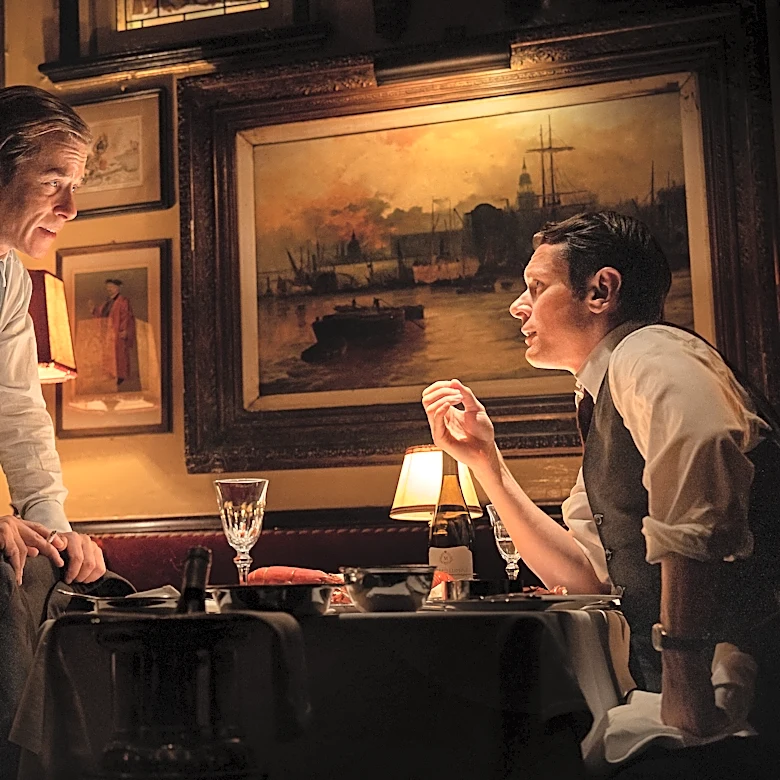
Actor Robert Pattinson has described the significant difficulty he faced in accurately portraying journalist Chris Hansen for the upcoming A24 film 'Primetime'. The movie adapts Luke Dittrich’s Esquire article, 'Tonight on Dateline This Man Will Die,'
which recounts a 'To Catch a Predator' sting operation that tragically resulted in an assistant district attorney's suicide after a SWAT team entered his home. Pattinson, known for his meticulous approach to voice work in previous roles, immersed himself in Hansen's podcasts and recordings to capture his distinctive vocal style. He mentioned walking around constantly trying to imitate Hansen's voice, finding the material dark and the process challenging. This project marks Pattinson's first venture into producing a film from its initial stages, highlighting his deep involvement in its development. Hansen himself has expressed reservations about the film's depiction of him, indicating potential inconsistencies with actual events and even considering legal action.
Why It's Important?
This development is important as it sheds light on the creative process behind adapting real-life, sensitive events for the screen, particularly when the subject matter involves controversial figures and tragic outcomes. Pattinson's dedication to authenticity in voice portrayal underscores the artistic commitment to character, which can significantly influence audience perception. The film's narrative, based on a 'To Catch a Predator' sting, touches upon complex ethical questions surrounding media sensationalism, privacy, and the consequences of public exposure. Hansen's public disapproval and potential legal considerations highlight the ongoing tension between artistic interpretation and factual accuracy, especially when individuals' reputations and past actions are central to the story. This situation could spark broader discussions within the entertainment industry about the responsibilities of filmmakers when depicting real people and events, and the potential impact on those involved.
What's Next?
The release of 'Primetime' is anticipated to generate considerable discussion, particularly given Chris Hansen's public statements and potential legal actions against the film. Hansen has refused to sign an NDA to view early previews and has even taken out ads for his true crime streaming network, TruBlu, which will play exclusively in front of 'Primetime' for the first four weeks of its run. He has also indicated that he is still considering legal action, despite warnings that strong opposition could be used by the studio for marketing purposes. The film's reception will likely be influenced by how it navigates the sensitive subject matter and its portrayal of Hansen. Audiences and critics will be watching to see if the film's artistic choices resonate or if they are perceived as misrepresentations, potentially fueling further debate about the ethics of true-crime adaptations and the balance between creative freedom and factual fidelity.
Beyond the Headlines
The controversy surrounding 'Primetime' extends beyond typical film promotion, delving into deeper ethical and legal implications. The film's premise, centered on a 'To Catch a Predator' sting and its tragic aftermath, raises questions about the moral responsibilities of media in public shaming and the potential for unintended, severe consequences. Hansen's strong reaction to his portrayal, describing it as 'darkened up and almost vampirish' and noting factual inaccuracies, highlights the subjective nature of biographical storytelling and the challenges of maintaining journalistic integrity within a dramatic narrative. This situation could set a precedent for how public figures, particularly those involved in sensitive journalistic endeavors, engage with their cinematic representations. It also underscores the ongoing debate about the 'true crime' genre's impact on public perception, the lives of those involved, and the fine line between informing and exploiting real-life tragedies for entertainment.