


What's Happening?
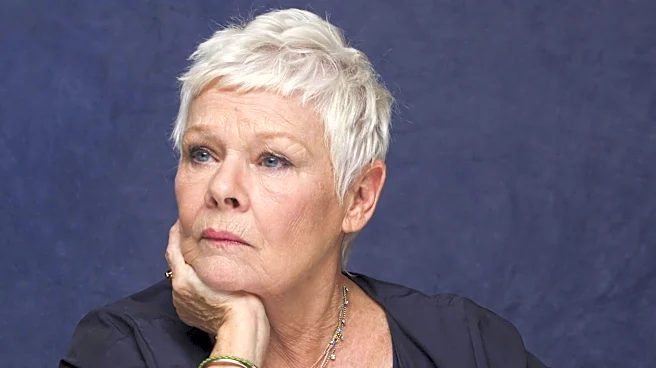
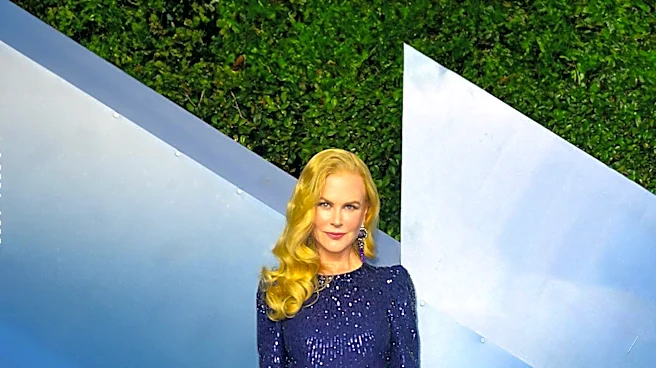
Actress Illeana Douglas has disclosed details about a significant confrontation scene with Nicole Kidman that was ultimately removed from the 1995 black comedy film 'To Die For'. In an exclusive interview with Entertainment Weekly, Douglas, who played
Janice Maretto, the suspicious sister of the murdered husband, described the deleted scene. It depicted Janice discovering Kidman's character, Suzanne Stone, brazenly disposing of her late husband's clothes. This moment was intended to be a pivotal point where Janice's suspicions about Suzanne orchestrating her brother's murder would be solidified. Douglas recalled the experience as 'absolutely exhilarating,' pushing her to deliver a gritty performance opposite Kidman, whom she considered a bona fide movie star at the time. The scene aimed to highlight Suzanne's cold-hearted nature and was a memorable acting challenge for Douglas.
Why It's Important?
The revelation of this cut scene offers new insight into the creative process behind 'To Die For,' a film critically acclaimed for its dark humor and Kidman's performance. For film enthusiasts and scholars, understanding such editorial decisions can illuminate character development choices and narrative pacing. The scene's removal suggests a deliberate choice by director Gus Van Sant and the production team, potentially to maintain a certain ambiguity around Suzanne's villainy or to streamline the narrative. It also underscores the often-unseen work of actors and the impact of scenes that don't make the final cut, yet contribute significantly to the actors' experiences and the film's initial vision. This kind of behind-the-scenes detail enriches the historical context of the film and its place in cinematic history.
What's Next?
While the film 'To Die For' was released decades ago, the discussion of this deleted scene could spark renewed interest in the movie, potentially leading to re-evaluations or special screenings that include cut footage. It might also encourage other actors and filmmakers to share similar behind-the-scenes stories, offering a deeper look into the filmmaking process. For Illeana Douglas, this disclosure reinforces her reputation as a dedicated actress who commits fully to her roles, even in scenes that don't make it to the screen. The anecdote could also contribute to ongoing conversations within the film industry about the impact of editing decisions on character portrayal and narrative flow.
Beyond the Headlines
The cutting of such a pivotal scene raises questions about the balance between an actor's performance and a director's final vision. It highlights the collaborative yet hierarchical nature of filmmaking, where even powerful performances can be sacrificed for the overall narrative or artistic direction. This incident also touches upon the broader theme of how audiences perceive characters, particularly villains. By removing a scene that explicitly showed Suzanne's coldness, the film might have aimed for a more nuanced or subtly sinister portrayal, allowing viewers to piece together her motives rather than having them explicitly shown. This artistic choice can significantly influence a film's lasting impact and critical reception.