
What's Happening?
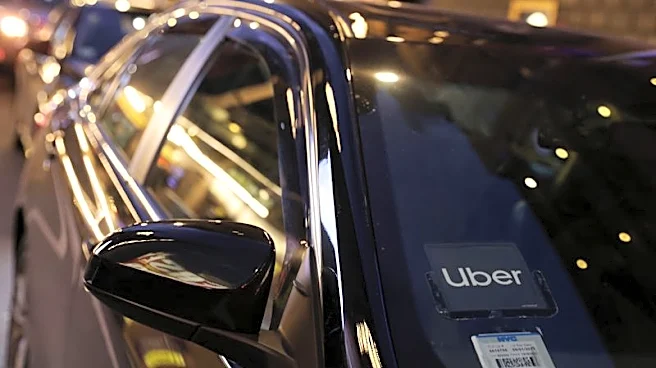
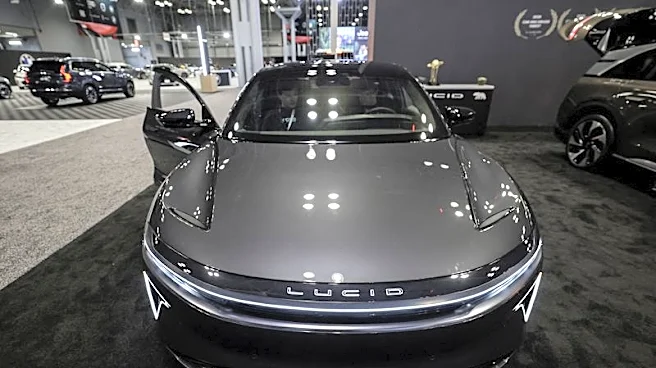
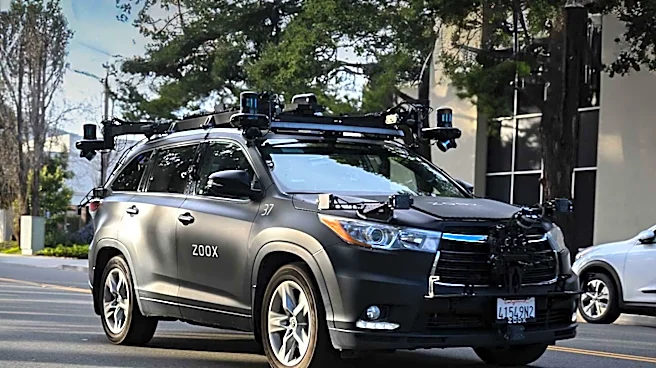
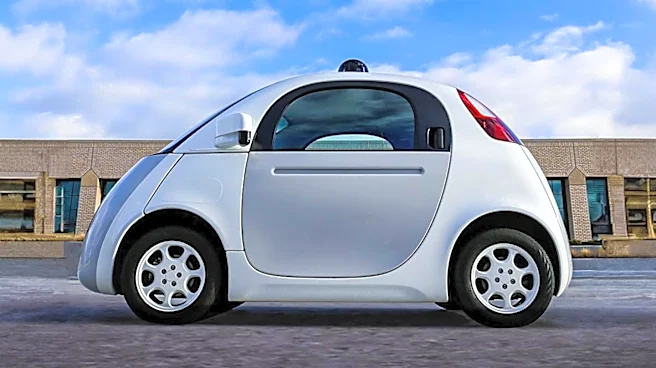
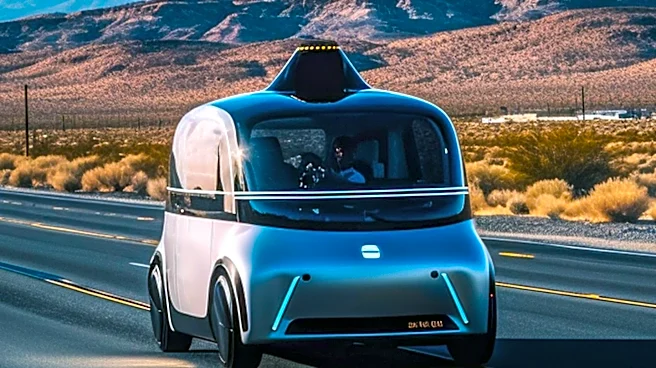
Uber is intensifying its focus on robotaxi services, with plans to invest over $10 billion to expand its autonomous vehicle network. CEO Dara Khosrowshahi aims to establish Uber as a leader in the autonomous vehicle race, building the largest platform
for autonomous mobility. The company plans to launch robotaxi services in 15 cities this year, despite concerns about the impact on online drivers. Uber's financial position supports this investment, with a reported free cash flow of $2.8 billion in Q2 2026. The company has previously exited the Southeast Asian market, including Indonesia, to focus on core markets like the U.S. and Europe.
Why It's Important?
Uber's significant investment in robotaxis highlights the company's commitment to leading the autonomous vehicle market. This move could disrupt the traditional ride-hailing industry, potentially reducing the need for human drivers and impacting their livelihoods. The expansion of autonomous services could also enhance Uber's operational efficiency and reduce costs in the long term. However, the transition to autonomous vehicles poses challenges, including regulatory hurdles and public acceptance. Uber's ability to navigate these challenges will be crucial in determining the success of its autonomous strategy.
What's Next?
As Uber rolls out its robotaxi services, the company will need to address regulatory concerns and ensure the safety and reliability of its autonomous vehicles. The expansion into new cities will require collaboration with local governments and stakeholders to gain necessary approvals. Uber's focus on autonomous vehicles may also prompt other ride-hailing companies to accelerate their own autonomous initiatives, increasing competition in the market. The impact on online drivers will be a critical issue, with potential implications for employment and income in the gig economy.