








What's Happening?
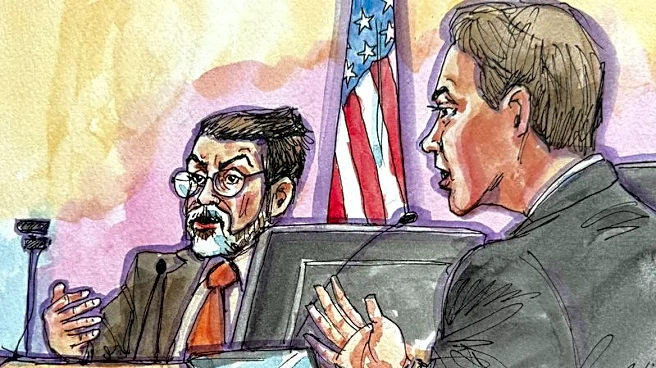
Meta Platforms is currently embroiled in a child safety trial initiated by California and other state attorneys general. The lawsuit, which began with opening arguments in Oakland, alleges that Meta engaged in data collection from children under 13, implemented
design choices that encouraged excessive use of its platforms, and made misleading public statements regarding the safety of Facebook and Instagram. California is seeking up to $1.4 trillion in penalties, though Meta contends a more accurate figure is closer to $200 billion. The trial is expected to last approximately seven weeks, with key figures like Mark Zuckerberg and Adam Mosseri anticipated to testify. The core of the states' argument revolves around the impact of Meta's algorithms and age-gating practices on minors, and whether these constitute a breach of responsibility. Meta, however, argues that the attorneys general lack proof that anyone in their states was misled or harmed by benign features, and that they are attempting to penalize the company for industry-wide challenges such as age verification.
Why It's Important?
This trial holds significant implications for Meta Platforms and the broader tech industry. While the headline figure of $1.4 trillion in potential penalties is a statutory maximum and not necessarily the expected outcome, any substantial financial penalty could materially impact Meta's financial health. More critically, the trial's focus on algorithmic changes and age-gating practices could set a precedent for how social media companies design and operate their platforms for minors. A ruling that mandates structural changes to algorithms or specific age-verification standards could affect Meta's 3.6 billion daily active users across its family of apps, potentially altering its earnings power. Furthermore, a plaintiff-friendly verdict could provide a 'template risk,' empowering other state attorneys general and school districts to pursue similar lawsuits, leading to widespread regulatory changes across the tech sector. The outcome will also test the legal system's ability to quantify and attribute harm from social media use, a challenge given the complexities of proving direct links between platform design and mental health issues.
What's Next?
Over the next seven weeks, the trial will proceed with testimonies from key individuals, including Meta's leadership. Investors will be closely watching the injunctive language sought by the attorneys general and the judge's receptiveness to these demands, as product changes could have a more lasting impact than monetary awards. The final penalty, if any, will be determined by the judge. The outcome of this trial could influence ongoing and future legal challenges against Meta and other tech companies regarding child safety and platform design. Regardless of the immediate financial penalties, the trial's findings and any mandated changes could reshape industry standards for age verification and algorithmic recommendations for minors. The potential for this case to become a template for future litigation means that its implications will extend beyond Meta, affecting how the entire tech industry approaches youth safety and platform governance.
Beyond the Headlines
Beyond the immediate financial and regulatory implications, this trial delves into deeper ethical and societal questions surrounding the responsibility of tech companies for the well-being of their youngest users. The debate over whether social media platforms are primarily responsible for mental health issues among children, or if these are broader societal challenges, is central to the case. The trial highlights the difficulty in establishing a direct causal link between platform use and harm, a challenge that has historically plagued similar cases, such as those against the tobacco industry. The outcome could influence public perception of tech companies and their role in society, potentially leading to increased calls for stricter regulations and greater corporate accountability. It also underscores the ongoing tension between innovation, user engagement, and the protection of vulnerable populations in the digital age, prompting a re-evaluation of how privacy laws, parental oversight, and regulatory frameworks can effectively converge to ensure child safety online.