




What's Happening?
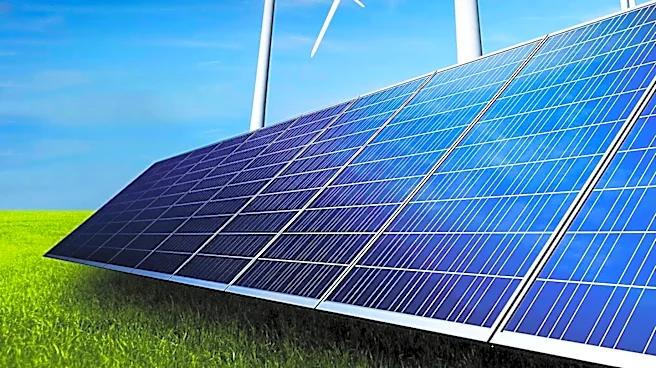
The Development Finance Corporation (DFC) is being called upon to broaden its investment strategy in the Global South, moving beyond a primary focus on fossil fuels to include a wider array of energy technologies, particularly geothermal and other renewables.
This recommendation comes in the wake of the Iran War, which has significantly disrupted global energy markets and highlighted the need for diversification and resilience in energy supply chains. The war has caused substantial damage to infrastructure in the Persian Gulf and the broader Global South, creating a demand for reconstruction and new energy pathways. Countries in these regions are seeking to reduce dependence on single external suppliers and single energy sources, presenting an opportunity for the U.S. to engage through the DFC. The DFC's mandate was expanded in January, increasing its maximum contingent liability to $205 billion and allowing it to take equity stakes. While President Trump's administration has emphasized 'Energy Dominance' through U.S. energy production and exports, the current global landscape suggests a need for a more varied approach to meet the evolving energy demands and geopolitical realities.
Why It's Important?
This shift in DFC investment strategy is crucial for several reasons. Economically, it opens new avenues for U.S. businesses in emerging energy sectors, fostering commercial opportunities in the Global South. By supporting a broader range of energy sources, the U.S. can help stabilize global energy markets, which in turn can protect American consumers from price shocks, as demonstrated by the impact of the Iran War on fuel prices. Geopolitically, a diversified investment approach allows the U.S. to enhance its diplomatic influence and soft power, particularly in regions where China has a significant presence in renewable energy technologies. It also helps countries in the Global South achieve greater energy independence, reducing their vulnerability to external shocks and fostering long-term stability. Focusing on technologies like geothermal, where the U.S. is a global leader, can create a competitive edge and strengthen alliances, such as with the Philippines, a key U.S. ally facing energy security challenges.
What's Next?
The DFC is expected to evaluate and potentially reorient its investment portfolio to align with these recommendations. This could involve increasing funding for geothermal projects, especially in regions like the western coast of Central and South America, the Red Sea coast of Africa, and Southeast Asia, where geothermal potential is high. The DFC may also explore investments in other alternative energy sources, such as nuclear power, and grid management technologies. Furthermore, there will likely be a focus on supporting infrastructure development that captures and utilizes natural gas that would otherwise be flared, particularly in countries with high flaring rates like Venezuela and Mexico. The U.S. will need to ensure that its development finance initiatives are perceived as genuine partnerships rather than tools of coercion, especially in sensitive regions like Latin America, to avoid undermining its diplomatic goals and competitive standing against rivals.
Beyond the Headlines
The proposed diversification of DFC investments reflects a deeper understanding of the interconnectedness of global energy markets, geopolitical stability, and economic resilience. It moves beyond a purely transactional approach to development finance, recognizing that long-term U.S. interests are best served by fostering sustainable and equitable energy solutions globally. This strategy also implicitly acknowledges the limitations of an 'Energy Dominance' agenda solely focused on fossil fuels in a world increasingly grappling with climate change and the need for energy transition. By investing in a broader energy palette, the U.S. can address ethical concerns related to environmental impact and promote a more inclusive model of development. The emphasis on transparency and avoiding coercive practices also signals a shift towards a more responsible and collaborative approach to international development, aiming to differentiate the U.S. from competitors and build lasting partnerships.