





What's Happening?
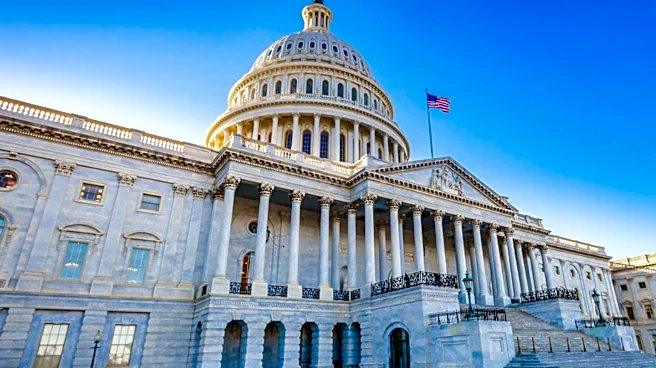
The U.S. House of Representatives has passed two significant bills aimed at supporting small businesses: the Cybersecurity for Small Businesses Act (H.R.10238) and the Reshoring American Manufacturing Act (H.R.9718). The Cybersecurity for Small Businesses Act mandates
the Small Business Administration (SBA) to collaborate with the Cybersecurity and Infrastructure Security Agency (CISA) and other relevant bodies to develop and distribute resources. These resources are intended to help small businesses implement effective cybersecurity practices and understand federal contract requirements, including compliance with the Defense Department’s Cybersecurity Maturity Model Certification Program. Rep. Tony Wied, R-Wis., the lead sponsor, emphasized that this legislation will provide small businesses with accurate and current information to defend against cyber threats. Rep. Nydia Velázquez, D-N.Y., ranking member of the House Small Business Committee, noted that the bill builds upon the SBA’s existing cyber strategy for Small Business Development Centers. The Reshoring American Manufacturing Act requires the SBA administrator to maintain a webpage, known as the Make Onshoring Great Again portal, for four years. This portal will offer resources and information to small businesses regarding onshoring manufacturing capacity, connecting them with agency offices and partner organizations. Rep. Velázquez supported this bill as a positive step, highlighting a provision that requires the SBA to report to Congress on the website's effectiveness.
Why It's Important?
These bills are crucial for bolstering the resilience and competitiveness of U.S. small businesses. The cybersecurity legislation addresses a critical vulnerability, as small businesses often lack the resources to defend against sophisticated cyber threats, making them susceptible to attacks that can lead to significant financial losses and operational disruptions. By providing clear guidance and resources, the government aims to reduce the burden on these businesses, enabling them to meet federal contract requirements without incurring excessive costs. This is vital for national security, as small businesses are often part of the supply chain for federal agencies. The manufacturing onshoring bill is significant for strengthening the domestic economy and reducing reliance on foreign supply chains. By facilitating the return of manufacturing to the U.S., the legislation aims to create jobs, enhance economic stability, and ensure greater access to domestically sourced products. This initiative could help mitigate future supply chain disruptions and foster a more robust national manufacturing base, benefiting both small businesses seeking to expand their operations and consumers looking for American-made goods.
What's Next?
Both the Cybersecurity for Small Businesses Act and the Reshoring American Manufacturing Act have now moved to the Senate for consideration. If passed by the Senate and signed into law, the SBA will be tasked with implementing the provisions of these acts. This will involve developing the cybersecurity resources in collaboration with CISA and other agencies, as well as establishing and maintaining the Make Onshoring Great Again portal. The SBA will also need to prepare and deliver reports to Congress on the effectiveness of the onshoring website. Small businesses will likely see increased access to information and support for cybersecurity compliance and opportunities for onshoring manufacturing. The Department of Defense's Cybersecurity Maturity Model Certification Program compliance information will become more accessible, potentially streamlining the process for small businesses seeking federal contracts. Stakeholders, including small business advocacy groups and industry associations, will likely monitor the implementation process closely to ensure the intended benefits are realized.
Beyond the Headlines
The passage of these bills reflects a broader strategic shift in U.S. policy towards strengthening domestic capabilities in critical areas like cybersecurity and manufacturing. Beyond immediate economic benefits, these legislative actions underscore a growing recognition of the interconnectedness between national security and economic resilience. By empowering small businesses with better cybersecurity, the government is not only protecting individual enterprises but also fortifying the broader digital infrastructure against state-sponsored attacks and cybercrime. Similarly, the push for manufacturing onshoring goes beyond job creation; it addresses concerns about geopolitical risks, supply chain vulnerabilities, and the need for greater self-sufficiency in essential goods. This could lead to a long-term re-evaluation of global supply chains and a sustained effort to localize production, potentially altering international trade dynamics. The emphasis on clear guidance for small businesses also highlights a commitment to reducing regulatory burdens, fostering an environment where smaller entities can thrive and contribute more effectively to national economic and security goals.