






What's Happening?
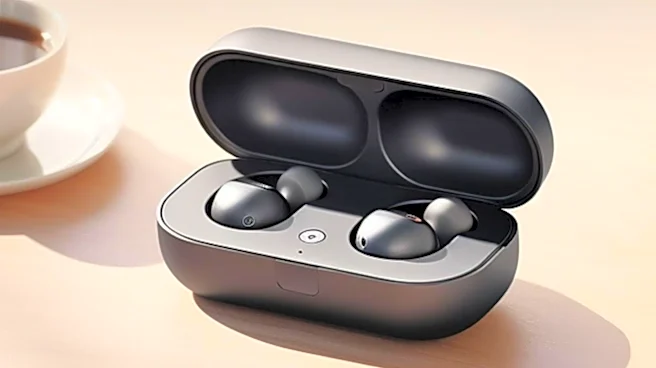
Anker has announced new additions to its sleep ecosystem at IFA, including the Sleep Earbuds 4 and Sleep Earbuds 4 Pro, alongside the SleepLab and SleepLab Pro bedside speakers. The Sleep Earbuds 4 Pro features a 'track-assess-adjustment system' that
uses built-in sensors to measure PPG, heart rate, and heart rate variability (HRV), adjusting audio to optimize sleep. These earbuds are designed to be smaller and more ergonomic for comfort during sleep. The SleepLab Pro bedside speaker utilizes radar technology to track sleep, heart rate, and breathing without requiring wearables, and then plays tailored audio to aid sleep. The Sleep Earbuds 4 will be available in October, followed by the Pro version in November, with pricing yet to be announced. Anker also introduced other audio products powered by its new neural-net compute-in-memory AI audio chip, Thus, including AI note-taking headphones and hearing aids.
Why It's Important?
Anker's new sleep technology products signify a growing trend in the consumer electronics market towards integrating health and wellness features into everyday devices. The focus on advanced sleep tracking and personalized audio adjustments reflects an increasing consumer demand for solutions to improve sleep quality, which is recognized as a critical component of overall health. For the U.S. market, this means a wider array of sophisticated tools for sleep management, potentially impacting industries from healthcare to personal wellness. The use of radar technology in the SleepLab Pro, eliminating the need for wearables, could appeal to a broader demographic seeking non-intrusive health monitoring. This innovation also highlights the competitive landscape in the tech industry, where companies are leveraging AI and advanced sensors to create differentiated products that cater to specific lifestyle needs, potentially driving further research and development in sleep science and wearable technology.
What's Next?
Following their release in October and November, the market will closely observe the adoption and user feedback for Anker's new sleep products. Success could prompt other tech companies to accelerate their own development of advanced sleep-tracking and enhancement devices, leading to increased competition and innovation in the sleep tech sector. The integration of AI chips like Anker's 'Thus' into various audio products suggests a future where devices are more intelligent and personalized, potentially expanding beyond sleep to other health and productivity applications. Consumers can expect more sophisticated, non-wearable health monitoring solutions to emerge, further blurring the lines between consumer electronics and personal health devices. The pricing and widespread availability will be key factors in determining their market penetration and impact.
Beyond the Headlines
The introduction of devices like Anker's SleepLab Pro and Sleep Earbuds 4 Pro points to a deeper societal shift towards quantified self and proactive health management. As technology becomes more integrated into personal wellness, ethical considerations around data privacy and the accuracy of self-monitoring devices will become increasingly important. The reliance on AI to tailor sleep experiences raises questions about algorithmic influence on personal health routines and the potential for over-reliance on technology for natural biological processes. Furthermore, the move towards non-wearable tracking, such as radar-based systems, could democratize health monitoring, making it accessible to individuals who find traditional wearables uncomfortable or inconvenient, thereby expanding the reach of health tech into new demographics and settings.