




What's Happening?
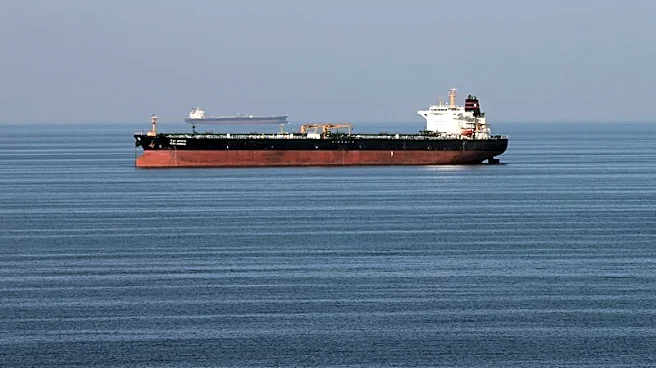
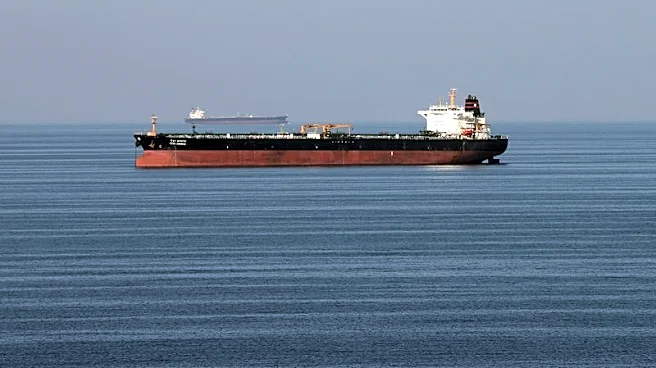
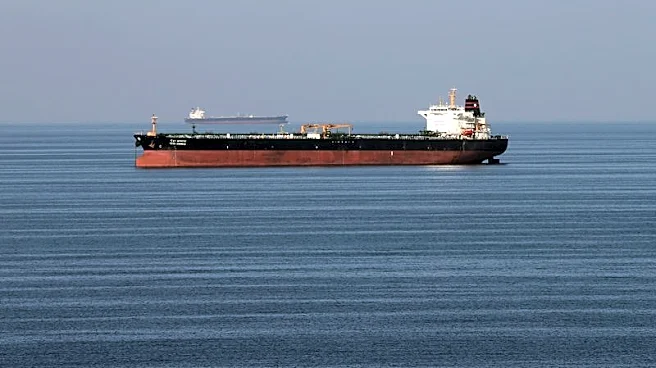
The prolonged closure of the Strait of Hormuz, a critical trade route, has led to significant global fuel shortages, severely impacting airlines. The U.S.-Israeli conflict with Iran has resulted in the closure of this vital corridor, which is responsible
for transporting about 20% of the world's oil. As a result, airlines are struggling to secure enough jet fuel to maintain their flight schedules. European airlines, in particular, are at risk of running out of jet fuel, having turned to the United States and Asia for alternative supplies. The situation is exacerbated by Europe's reliance on the Middle East for approximately half of its jet fuel imports. Despite limited fuel supplies being allowed through the Strait by Iran, the ongoing conflict makes the resumption of normal trade uncertain.
Why It's Important?
The jet fuel shortage has significant implications for the global airline industry, affecting operational costs and flight availability. With jet fuel accounting for 20-25% of an airline's operating costs, the price volatility has made it challenging to keep ticket prices stable. Airlines like Ryanair have seen operating costs rise due to price spikes, while others, such as Southwest, have resorted to innovative supply strategies to mitigate shortages. The situation highlights the vulnerability of regions heavily reliant on Middle Eastern fuel imports and underscores the broader impact of geopolitical conflicts on global energy markets. The shortage also pressures airlines to find alternative suppliers, potentially leading to long-term shifts in supply chain strategies.
What's Next?
As the conflict continues, airlines may need to further diversify their fuel sources to ensure operational stability. The European Union plans to coordinate the release of national reserves to address potential shortages, while countries like the U.S., Nigeria, and Canada have stepped in to supply Europe with jet fuel. However, the sustainability of these measures remains uncertain. Airlines may also need to reconsider their hedging strategies to better manage fuel price volatility. The ongoing situation could prompt a reevaluation of energy security policies and encourage investment in alternative energy sources to reduce dependency on volatile regions.