




What's Happening?
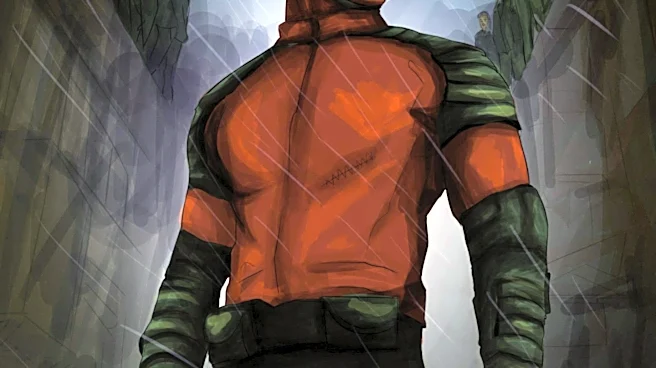
DC Comics' 'Teen Titans' #3, written by Kyle Higgins with art by Daniele Di Nicuolo and Marcelo Costa, delves into the character of Red Hood, also known as Jason Todd. The issue opens with Red Hood discovering a deceased missing child, leading him to violently
retaliate against those responsible. Di Nicuolo's artwork emphasizes Red Hood's speed and fury, depicting him disarming foes and using well-placed bullets or their own weapons against them, with his face obscured by shadow except for his burning red eyes. Following this event, Red Hood confronts the Teen Titans, shutting down their Discord server and urging them to 'go be kids.' This interaction is presented as a callback to Jason Todd's own traumatic past, where his childhood was stolen by the Joker, influencing his desire to protect the current generation of Titans from similar horrors. The issue also explores the emotional dynamics within the team, including Fairplay's anger towards his father, Mister Terrific, stemming from a failure to connect rather than a server shutdown.
Why It's Important?
This issue is significant for its character development of Red Hood, moving beyond his typical portrayal as merely a 'black sheep' of the Batfamily or a terror to criminals. By exploring his motivations and emotional depth, the comic offers a more nuanced understanding of a character often defined by his violent past. This approach can resonate with readers who appreciate complex anti-heroes and provides a fresh perspective on a long-standing DC character. Furthermore, the depiction of the new Teen Titans team and their unique bond highlights the evolving landscape of superhero narratives, focusing on interpersonal relationships and emotional struggles alongside action. The creative team's synchronized effort in scripting, art, and lettering to convey intense emotions sets a high standard for storytelling in the comic book industry, potentially influencing future character portrayals and narrative structures within the DC universe and beyond.
What's Next?
The emotional fallout from Red Hood's actions and his confrontation with the Teen Titans is likely to have lasting implications for the team's dynamics and Red Hood's future involvement with them. His plea for them to 'go be kids' suggests a potential shift in his role, perhaps moving towards a more protective or mentoring figure, albeit with his characteristic violent tendencies. The exploration of Fairplay's relationship with Mister Terrific also indicates ongoing character development for other Titans members. Readers can anticipate further exploration of these emotional themes and character arcs in subsequent issues, as the creative team continues to build on the established bonds and conflicts within the new Teen Titans roster. The critical reception of this issue suggests that the series will continue to be a significant title within DC's offerings, potentially leading to more prominent roles for these characters in the broader DC narrative.
Beyond the Headlines
Beyond the immediate plot, 'Teen Titans' #3 touches upon deeper themes of trauma, mentorship, and the burden of heroism. Red Hood's violent response to the child's death and his subsequent desire to shield the Titans from similar experiences underscore the psychological toll of a superhero's life. This narrative choice invites readers to consider the ethical complexities of vigilantism and the long-term impact of traumatic events on individuals. The comic also subtly explores the generational differences in heroism, contrasting the classic Titans with the modern team and their unique challenges. The emphasis on emotional connection and vulnerability among the young heroes, as seen in their interactions and support for each other, suggests a shift towards more emotionally intelligent and relatable superhero narratives. This approach could foster a deeper connection with contemporary audiences who seek stories that reflect complex human experiences within the fantastical realm of comic books.