






What's Happening?
St. Petersburg College (SPC) in Florida is actively collaborating with local manufacturers to develop a skilled workforce for increasingly automated factories. This initiative involves manufacturers helping to design curriculum, donate equipment, and
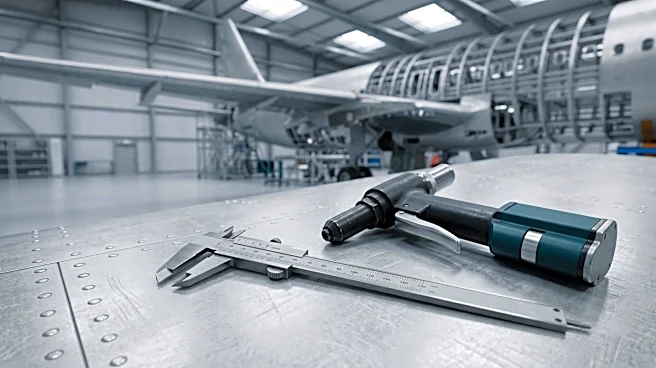
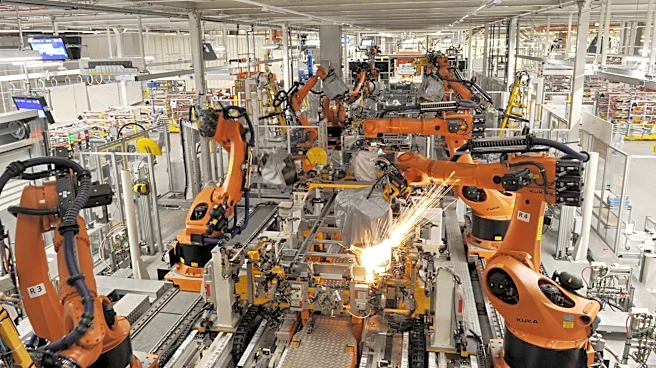
secure state funding for new training programs. Pinellas County, where St. Petersburg is located, boasts the largest manufacturing workforce in Tampa Bay, with over 34,000 employees, and ranks fifth in Florida for manufacturing establishments. Manufacturing accounts for 7.9% of employment in Pinellas, significantly higher than the statewide average of 4.3%, with an average annual wage of $78,492. Belinthia Berry, SPC's dean of workforce development, stated that the college began engaging with manufacturers four to five years ago to identify essential skills for evolving operations, particularly in robotics, semiconductor manufacturing, automated production lines, and electronic board assembly. The new Industry 4.0 lab at SPC's Midtown Center will feature a semiconductor cleanroom, robotics, 3D printing equipment, and AI/VR technology, with an estimated cost of $10 million, supported by state grants and private contributions.
Why It's Important?
This partnership is crucial for addressing the growing skills gap in the U.S. manufacturing sector, particularly as automation and advanced technologies become more prevalent. By directly involving manufacturers in curriculum development, SPC is ensuring that its training programs are aligned with industry needs, producing graduates who are immediately employable. This model can serve as a blueprint for other regions in the U.S. facing similar workforce challenges, fostering economic growth and competitiveness. The focus on high-tech manufacturing skills, such as robotics and semiconductor production, is vital for national security and economic independence, reducing reliance on foreign supply chains. For U.S. industries, a well-trained local workforce means lower recruitment costs, increased productivity, and the ability to adopt cutting-edge manufacturing processes more rapidly. Companies like Jabil, Honeywell, Lockheed Martin, Collins Aerospace, and Plasma-Therm are directly benefiting from this initiative by gaining access to a pipeline of skilled workers.
What's Next?
Manufacturing classes at SPC's Midtown Center began in February, with a grand opening for the facility targeted for February. The college aims to train between 200 and 300 manufacturing students annually at Midtown, in addition to those at its Tarpon Springs campus. The courses prepare individuals for entry-level positions as machinists, electronics assemblers, cleanroom operators, and production technicians, with many graduates earning between $20 and $28 per hour. A soldering training program, developed with Lockheed Martin, has already seen graduates starting at approximately $54,000 annually. SPC is also developing pathways for students to apply short-term manufacturing program credits toward associate degrees and plans to extend this employer-centric approach to aviation and construction training. State funding and scholarships are making many Midtown programs free through June 30, 2027, further encouraging participation.
Beyond the Headlines
The collaboration between St. Petersburg College and local manufacturers represents a significant shift in workforce development strategy, moving beyond traditional academic models to a more demand-driven, industry-integrated approach. This initiative not only addresses immediate labor shortages but also fosters a culture of continuous learning and adaptation to technological advancements. The emphasis on Industry 4.0 technologies, including AI and robotics, suggests a proactive stance in preparing for the future of manufacturing, where human-machine collaboration will be central. This model could also influence federal and state funding priorities, encouraging more direct investment in vocational and technical education programs that are closely tied to regional economic needs. The success of such programs could lead to a revitalization of U.S. manufacturing, creating high-wage jobs and strengthening local economies.