





What's Happening?
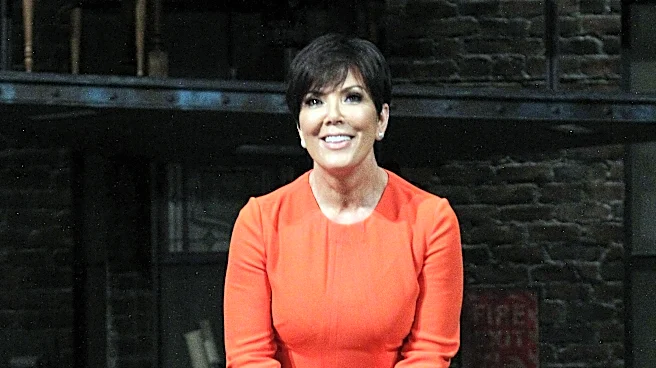
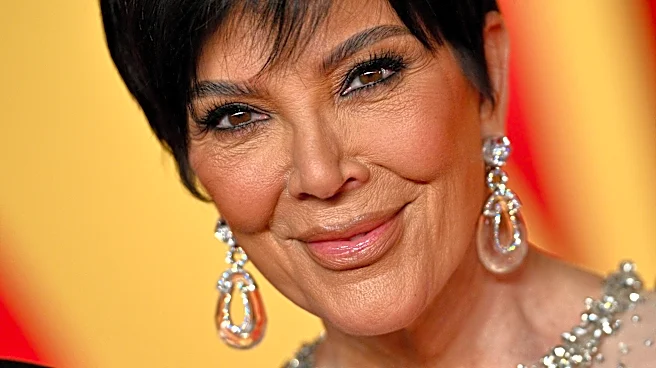
Kris Jenner, 71, recently revealed on 'The Kardashians' that she underwent a 'Mona Lisa treatment,' described as a vaginal laser procedure. This treatment, officially known as MonaLisa Touch, is a CO2 fractional laser that costs between $500 and $1,000
per session. It is used to address genitourinary syndrome of menopause (GSM), previously known as vaginal atrophy, which affects over half of post-menopausal women. Symptoms of GSM include dryness, irritation, and thinning of vulvar and vaginal tissues. While the MonaLisa Touch device has received clearance from the U.S. Food and Drug Administration, it has not been specifically cleared for treating vaginal dryness, painful sex, or other menopause symptoms. The American College of Obstetrics and Gynecology considers CO2 laser treatment for GSM 'experimental outside of clinical trials,' advising clinicians that current evidence does not support its use for these issues. Despite this, some gynecologists, like Dr. Thaïs Aliabadi, offer the MonaLisa Touch for persistent or severe vaginal dryness, often in combination with vaginal estrogen.
Why It's Important?
This public disclosure by Kris Jenner highlights a growing trend in cosmetic and 'vag-maxxing' procedures, particularly targeting peri- and post-menopausal women. While Jenner's openness may destigmatize discussions around menopause symptoms, it also draws attention to treatments with unproven efficacy. The high cost of MonaLisa Touch, which is not covered by insurance, raises concerns about accessibility and potential financial burden for women seeking relief from GSM symptoms. Medical professionals, such as Dr. Amani Zewail, express caution, noting the risk of scarring and burning and emphasizing that the gold standard solution for GSM is vaginal estrogen, which is more affordable and widely supported by evidence. The promotion of such procedures by celebrities can influence public perception and encourage individuals to pursue treatments that may not be medically necessary or adequately supported by scientific research, potentially leading to health risks or financial exploitation.
What's Next?
The discussion surrounding Kris Jenner's MonaLisa Touch treatment is likely to continue to fuel conversations about women's health, aging, and cosmetic interventions. As more women seek solutions for menopause symptoms, there may be increased demand for treatments like the MonaLisa Touch, despite the medical community's reservations. This could lead to further debate within the healthcare industry regarding the ethical implications of promoting unproven procedures, especially when endorsed by public figures. Regulatory bodies may face pressure to re-evaluate the marketing and claims associated with such devices. Additionally, there could be a push for more comprehensive research into the efficacy and safety of laser treatments for GSM to provide clearer guidance for both patients and healthcare providers.
Beyond the Headlines
The broader implications of Jenner's revelation extend to societal perceptions of aging and female sexuality. The pursuit of a 'perfect' or 'cute' vagina, as described by Jenner, reflects an underlying pressure on women to conform to unrealistic aesthetic standards, even in intimate areas. This trend, encompassing procedures like labiaplasty and G-spot amplification, suggests a commodification of female bodies and a focus on 'optimization' that can be detrimental to self-acceptance and body positivity. It also underscores a cultural discomfort with natural aging processes and a desire to reverse or conceal them through medical interventions. The emphasis on cosmetic solutions, rather than evidence-based medical treatments, raises questions about the influence of celebrity culture on health decisions and the potential for exploitation in the pursuit of an 'ideal' body.