





What's Happening?
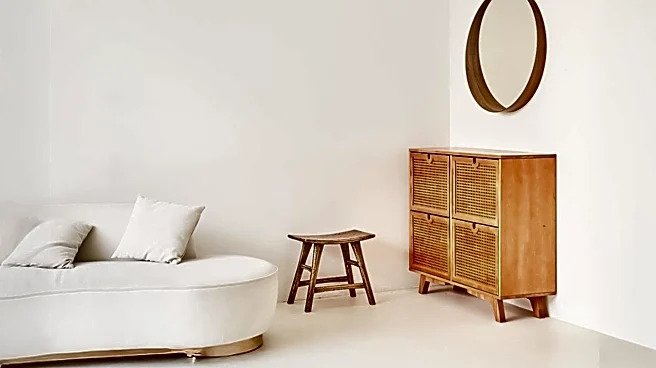
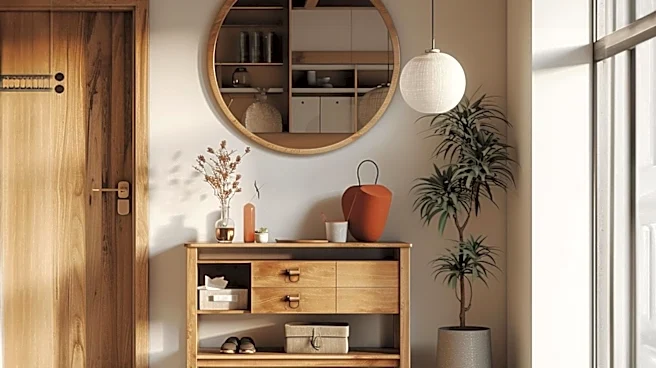
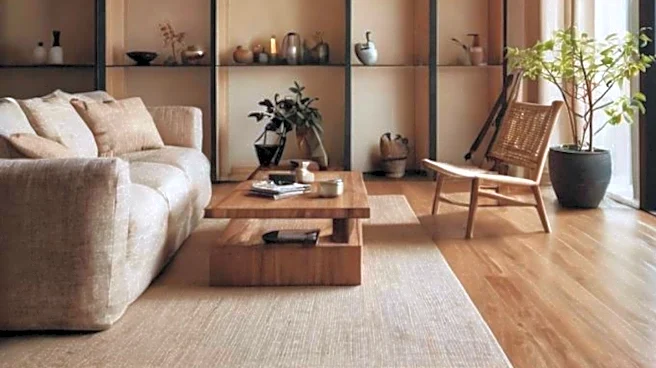
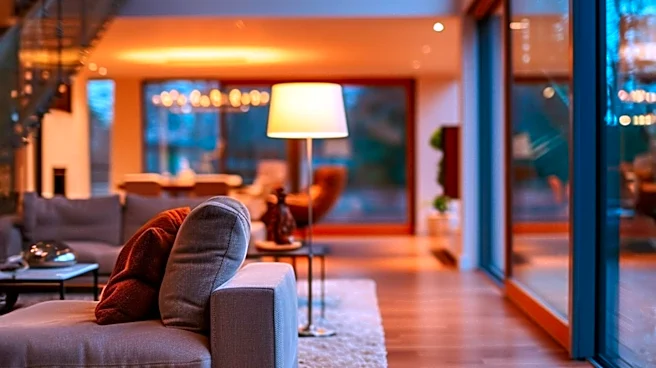
Japandi, a design aesthetic fusing Japanese and Scandinavian principles, is gaining prominence in modern home decor. This style emphasizes uncluttered, functional, and serene environments, focusing on comfort and well-being. It combines the Zen and wabi-sabi
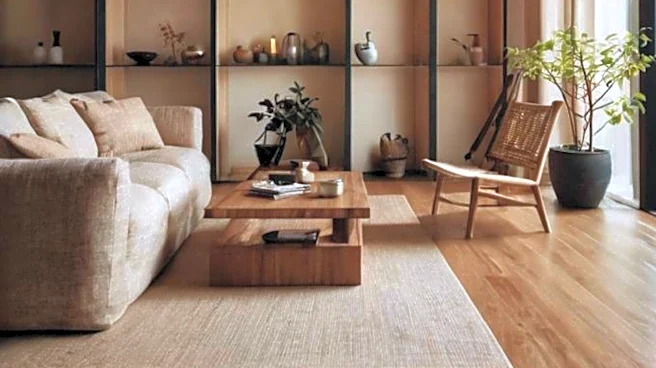
concepts of finding beauty in imperfection and simplicity from Japanese design with the hygge and functionality of Scandinavian design, which prioritizes creating warm, cozy, and livable spaces. The result is a minimalist approach that feels tranquil and purposeful rather than cold or bare. Natural materials such as wood, bamboo, rattan, stone, linen, and cotton are central to this aesthetic, blending different wood tones to add warmth and texture. The color palette typically features neutral tones like warm whites, beige, soft greys, pastels, and earthy browns, with occasional muted pops of color. This intentional design philosophy aims to declutter spaces, promote quality over quantity, and create a peaceful atmosphere.
Why It's Important?
The rise of Japandi design reflects a broader societal shift towards mindfulness, sustainability, and intentional living, impacting the U.S. home decor and furniture industries. Consumers are increasingly seeking environments that offer calm and reduce stress, moving away from fast furniture and maximalist trends. This trend encourages a focus on quality, natural materials, and multi-functional pieces, which could lead to increased demand for ethically sourced and durable home goods. For businesses, this means an opportunity to cater to a growing market segment that values thoughtful design and environmental consciousness. It also highlights a cultural integration, where design philosophies from different parts of the world converge to meet contemporary needs for tranquility and purpose in living spaces. The emphasis on decluttering and essentialism can also influence consumer spending habits, prioritizing investment in fewer, higher-quality items.
What's Next?
The continued growth of the Japandi aesthetic is likely to influence product development and marketing strategies within the U.S. home furnishings market. Manufacturers and retailers may increasingly offer furniture and decor that align with Japandi principles, such as low-profile designs, natural material compositions, and neutral color palettes. Interior designers will likely incorporate more Japandi elements into their projects, further popularizing the style. Educational content and workshops on mindful living and sustainable design practices, often associated with Japandi, could also see an increase. Furthermore, as consumers become more aware of the environmental impact of their purchases, the demand for durable, natural, and timeless pieces characteristic of Japandi design is expected to rise, potentially leading to a shift in supply chains and manufacturing processes to meet these preferences.
Beyond the Headlines
Beyond its aesthetic appeal, Japandi design embodies a deeper philosophical shift towards valuing well-being and simplicity in an increasingly complex world. It challenges the consumerist culture of constant acquisition by advocating for intentional choices and a focus on essentialism. This design movement can foster a greater appreciation for craftsmanship and natural materials, potentially revitalizing traditional artisan skills and promoting sustainable practices in manufacturing. Culturally, it represents a harmonious blend of Eastern and Western philosophies, demonstrating how diverse cultural values can converge to create universally appealing solutions for modern living. The emphasis on creating tranquil and purposeful spaces also has psychological benefits, contributing to reduced stress and improved mental clarity for individuals, making homes not just places of residence but sanctuaries for mindful existence.