






What's Happening?
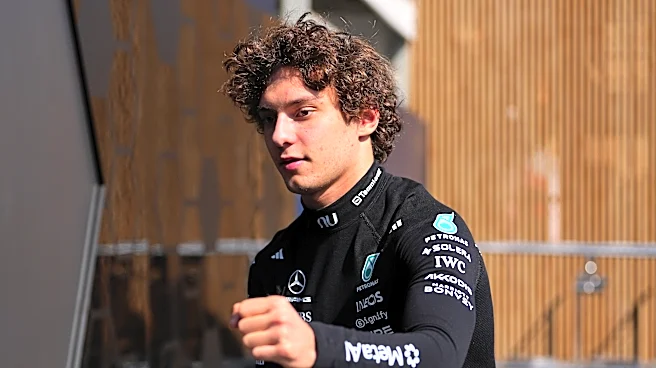
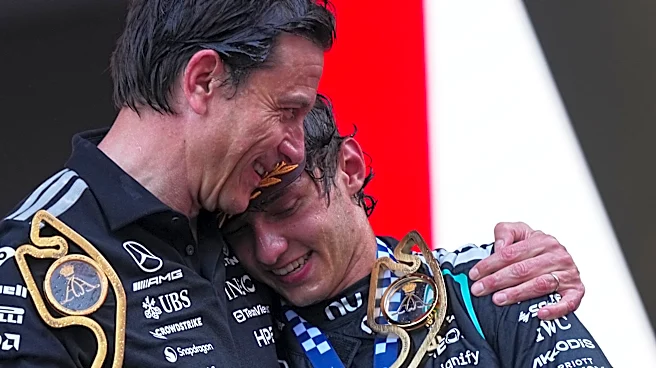
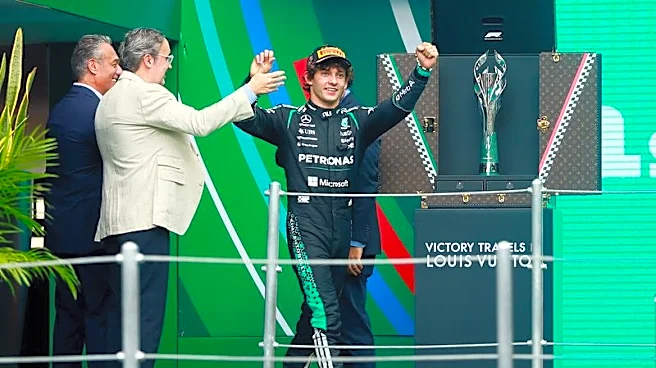
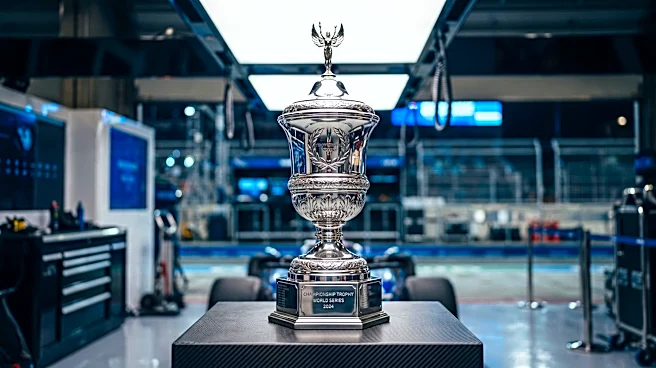
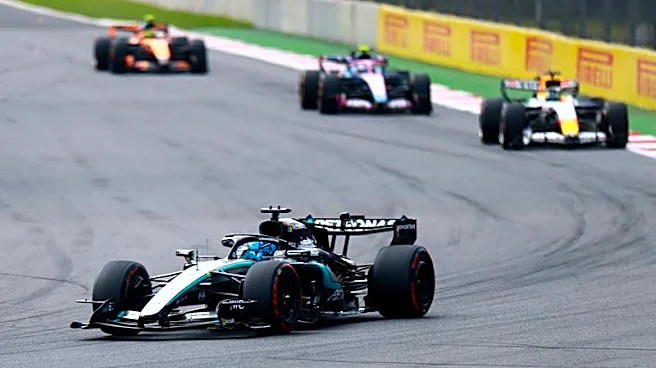
Kimi Antonelli, at 20 years and 68 days old, has made history by becoming the youngest Formula 1 World Champion. He secured the title by finishing third in the Mexican Grand Prix in Mexico City on November 1, 2026. This achievement surpasses the previous
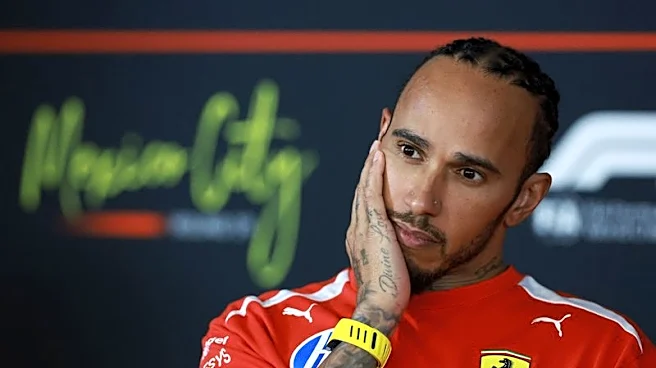
record held by Sebastian Vettel by over three years. Antonelli, driving for Mercedes, clinched the championship with four rounds remaining in the season. His victory marks the first time an Italian driver has won the Formula 1 World Championship since Alberto Ascari in 1953. The race itself was eventful, featuring a first-lap scuffle involving Lewis Hamilton and Charles Leclerc, a red flag due to Valtteri Bottas's crash, and a late safety car period. Max Verstappen won the Mexican Grand Prix, with Hamilton finishing second. Lando Norris finished fifth in the race.
Why It's Important?
Antonelli's historic win is significant for several reasons. It redefines the benchmark for youth and talent in Formula 1, demonstrating that drivers can achieve championship status at an increasingly younger age. This could inspire a new generation of aspiring racers globally, particularly in Italy, which has waited 73 years for another world champion. For Mercedes, Antonelli's success validates their investment in young talent and their car's dominant performance throughout the season. The competitive nature of the race, with multiple incidents and strategic challenges, highlights the intense pressure and skill required at the pinnacle of motorsport. This achievement also shifts the narrative around established champions, as Antonelli was chosen to replace Lewis Hamilton at Mercedes, signaling a generational shift in the sport.
What's Next?
With four races still remaining in the 2026 season, Antonelli's focus will likely shift to maintaining his performance and potentially helping Mercedes secure the constructors' title. The next opportunity for Mercedes to win the teams' title is at the Sao Paulo Grand Prix. The remaining races will also provide further opportunities for other drivers, such as Max Verstappen and Lewis Hamilton, to secure race wins and improve their standings. Antonelli's record-breaking achievement will undoubtedly place him under increased scrutiny and expectation for future seasons, as he aims to build on this early success and potentially establish a long-term legacy in Formula 1. The F1 community will be watching to see how this young champion handles the pressure and continues to evolve.
Beyond the Headlines
Antonelli's triumph extends beyond mere statistics, carrying profound implications for the sport's future. His rapid ascent, achieving a world championship in only his second season, challenges traditional career trajectories in Formula 1 and may encourage teams to fast-track exceptionally talented young drivers. This could lead to a more dynamic and youth-centric driver market. Furthermore, his success as an Italian champion after such a long hiatus could reignite national passion for Formula 1 in Italy, potentially boosting viewership, sponsorship, and grassroots motorsport development in the country. The narrative of a young driver overcoming early struggles, as Antonelli did in his debut season, also serves as a powerful testament to resilience and determination, resonating with audiences beyond the racing world.