




What's Happening?
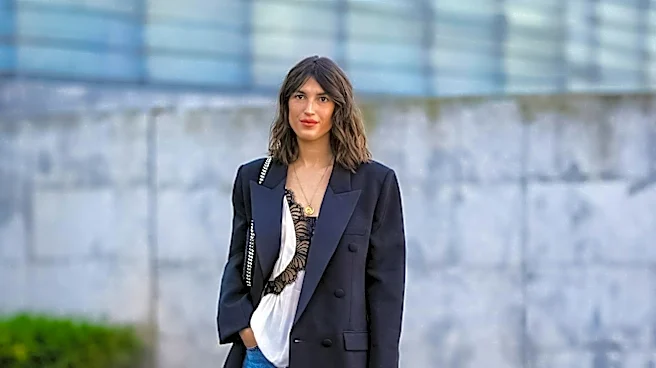
Street style is transforming the traditional perception of suits, moving them beyond formal boardroom attire into a more relaxed and unexpected fashion statement. This trend involves taking polished wardrobe staples, like blazers and trousers, and giving
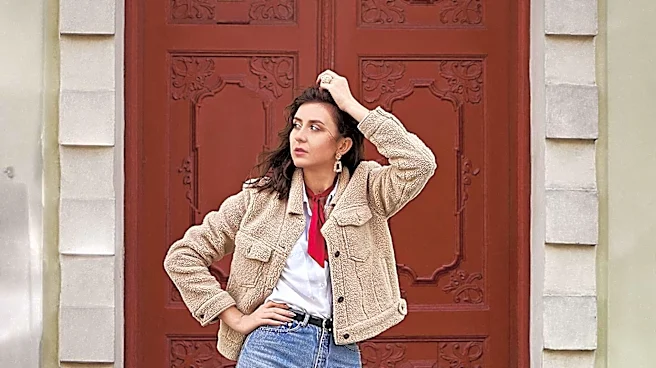
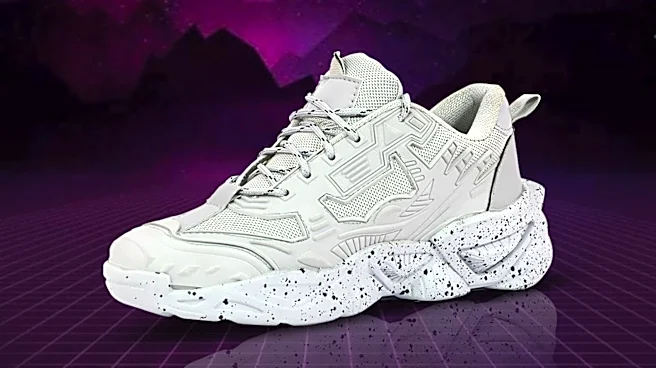
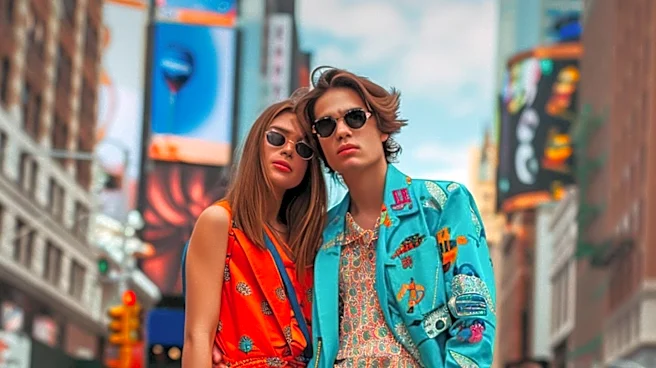
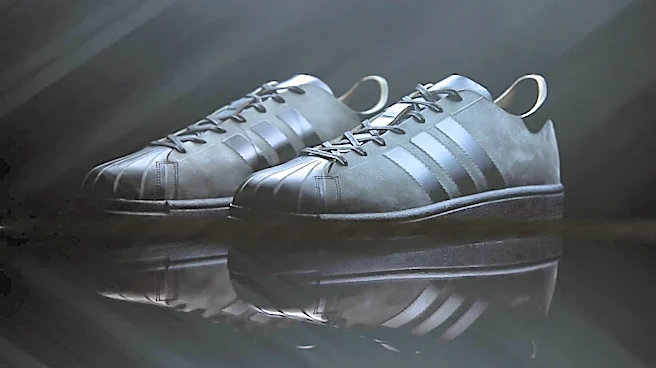
them an effortless, personal twist. Key elements include oversized blazers worn loosely, often paired with untucked shirts and rolled-up sleeves. Trousers are sometimes replaced with wide-leg shorts, exposing socks and shoes, creating a preppy yet rebellious aesthetic. The styling emphasizes playing with proportions and incorporating unexpected footwear like loafers, sneakers, or boots instead of conventional dress shoes. This approach aims to make tailoring feel more at home outside the office, reflecting a fashion-forward rather than strictly formal sensibility.
Why It's Important?
This evolution in suit styling holds significant implications for the U.S. fashion industry and consumer behavior. The shift towards more relaxed and versatile suit options could lead to increased demand for adaptable tailoring that blurs the lines between formal and casual wear. Businesses in the apparel sector may need to adjust their offerings to include more oversized silhouettes, mix-and-match components, and diverse fabric choices that cater to this street style influence. For consumers, it offers greater freedom in personal expression and challenges traditional dress codes, potentially impacting workplace attire and social event fashion. This trend also highlights a broader cultural movement towards comfort and individuality, suggesting that fashion is becoming less prescriptive and more about personal interpretation, which could reshape retail strategies and marketing campaigns across the U.S.
What's Next?
The continued influence of street style on suit fashion suggests several foreseeable developments. Designers are likely to incorporate more relaxed fits, unconventional pairings, and versatile pieces into their upcoming collections. We can expect to see more hybrid garments that blend formal and casual elements, such as blazers designed to be worn with shorts or sneakers. Retailers will probably expand their selections of separates, allowing consumers to create personalized suit looks. Fashion influencers and media will continue to champion these new styling approaches, further solidifying their place in mainstream fashion. This trend could also lead to a re-evaluation of dress codes in various professional and social settings, promoting a more flexible and individualistic approach to formal wear in the U.S.
Beyond the Headlines
Beyond the immediate fashion implications, the street style reinterpretation of suits reflects a deeper cultural shift towards authenticity and breaking traditional norms. It challenges the notion that certain garments are exclusively tied to specific contexts, promoting a more fluid and adaptable approach to personal style. This movement can empower individuals to express their identity more freely through clothing, fostering creativity and individuality. Ethically, it encourages sustainable practices by promoting versatile pieces that can be styled in multiple ways, extending their lifespan and reducing the need for separate wardrobes for different occasions. This cultural shift could lead to a more inclusive and less rigid fashion landscape in the U.S., where personal expression is valued over strict adherence to conventional rules, ultimately enriching the diversity of American style.