




What's Happening?
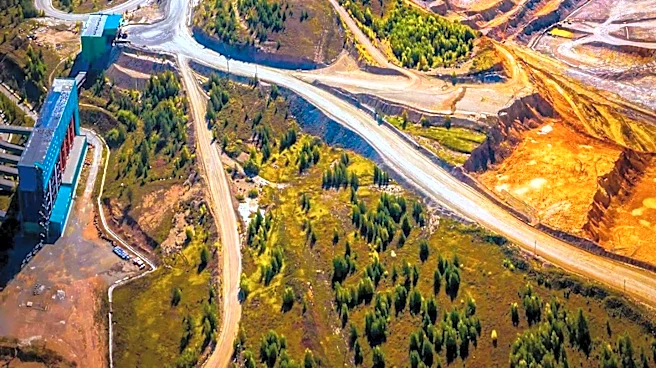
Tungsten prices have experienced a dramatic increase of 622% between January 2025 and April 2026, according to data from the International Energy Agency's Global Critical Minerals Outlook 2026. This surge is attributed to export restrictions and concentrated
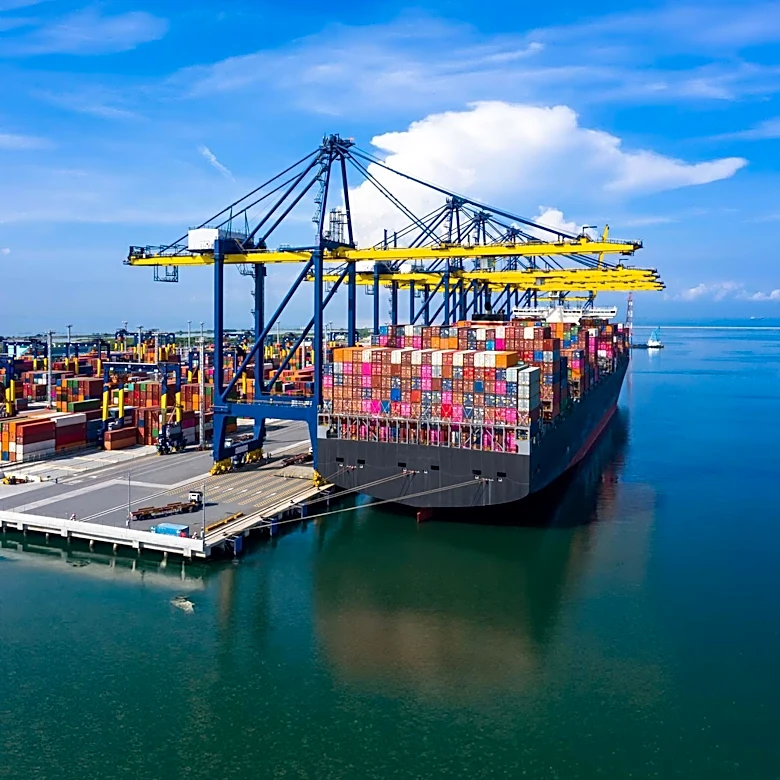
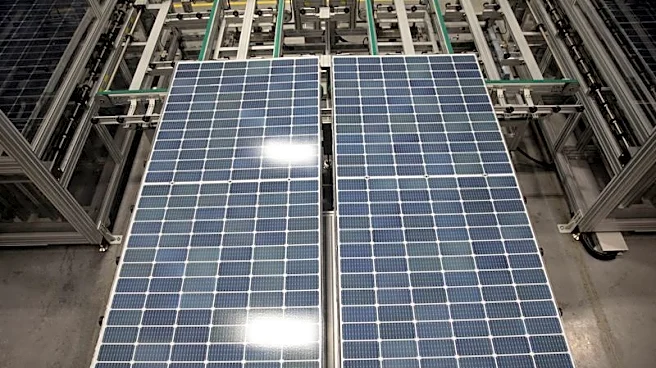
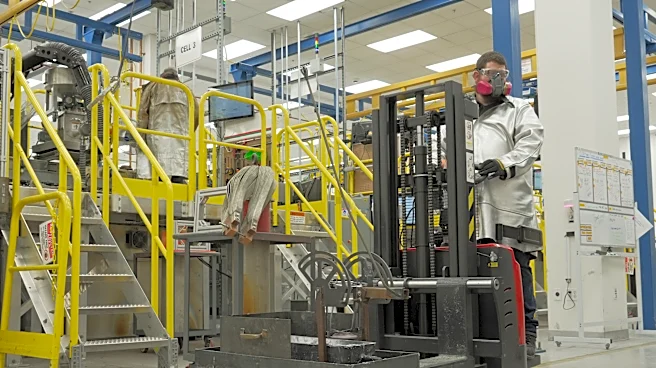
supply chains, particularly from China, which is a major player in the tungsten market. The demand for tungsten, widely used in cutting tools, aerospace components, electronics, and defense applications, has been rising sharply. This increase in demand, coupled with China's export controls, has significantly pressured the supply, leading to the steep price hike. Other critical minerals such as tantalum, cobalt, and lithium have also seen substantial price increases, driven by rising demand from the energy, defense, and high-tech industries.
Why It's Important?
The sharp rise in tungsten prices highlights the vulnerabilities in global supply chains, especially for critical minerals essential to various industries. The increase in prices can have significant implications for sectors reliant on tungsten, such as manufacturing and defense, potentially leading to higher production costs and product prices. The situation underscores the strategic importance of diversifying supply sources and reducing dependency on single-country suppliers like China. The broader impact on the U.S. economy could include increased costs for industries that rely on these minerals, affecting competitiveness and innovation. Additionally, the price volatility of critical minerals could influence policy decisions regarding resource management and international trade agreements.
What's Next?
As the demand for critical minerals continues to grow, particularly with the expansion of renewable energy technologies and electric vehicles, the pressure on supply chains is likely to persist. Stakeholders, including governments and industries, may need to explore alternative sources and invest in recycling and substitution technologies to mitigate supply risks. The U.S. might consider strengthening its strategic reserves and fostering international collaborations to secure a stable supply of these essential materials. Additionally, there could be increased regulatory scrutiny and potential policy shifts aimed at ensuring supply chain resilience and reducing dependency on foreign sources.