





What's Happening?
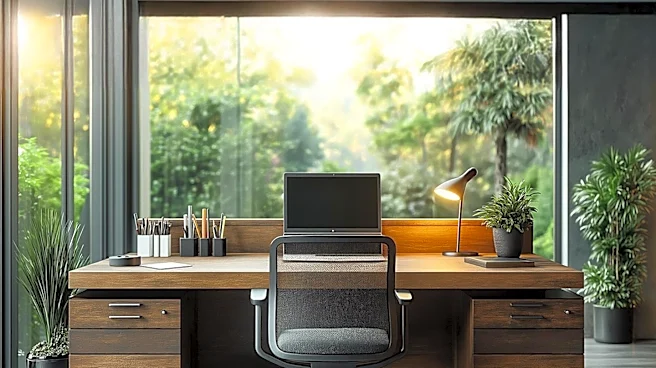
Contemporary home office setups are evolving to prioritize both functionality and aesthetic appeal, driven by the increasing prevalence of remote work. Key trends include the integration of sleek desks with multiple monitors, ergonomic gaming chairs,
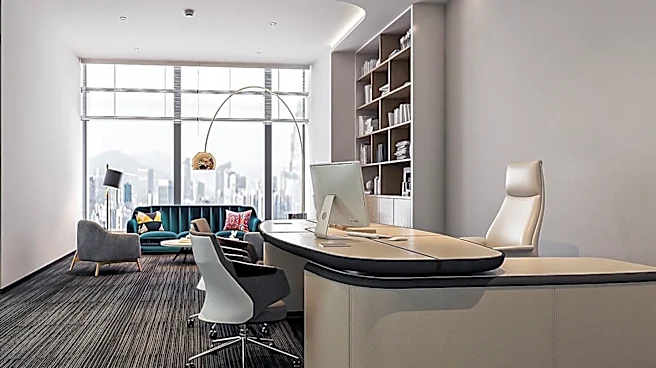
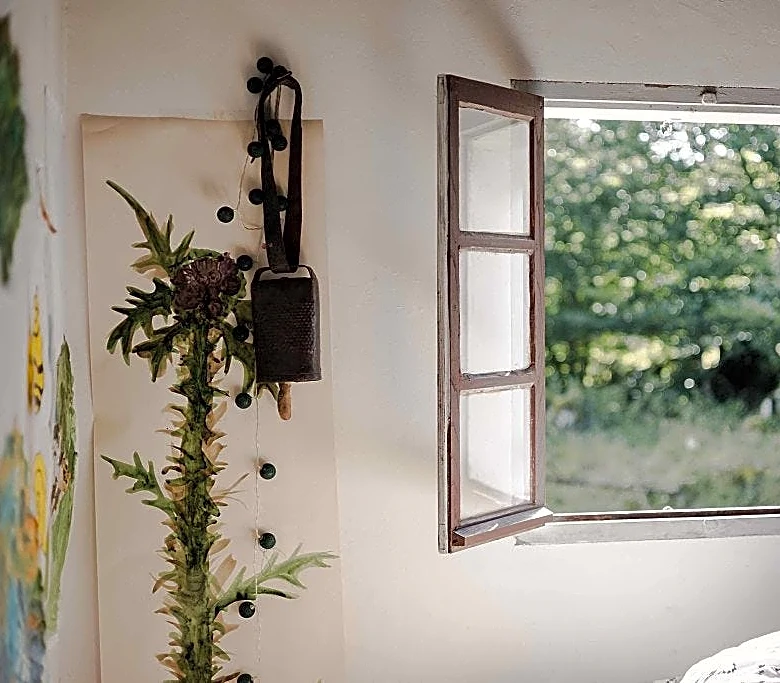
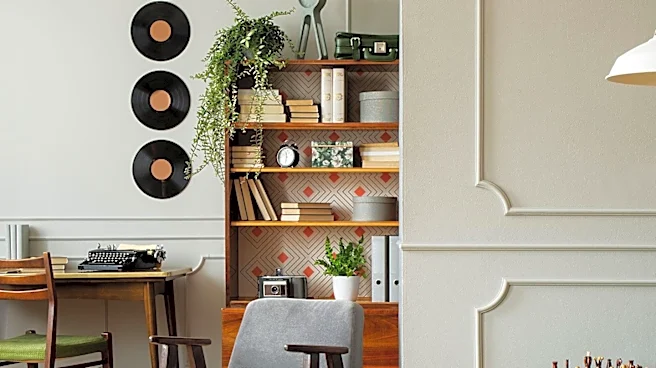
and smart lighting systems to create a modern and comfortable workspace. Designers are focusing on neutral color palettes, enhanced by smart lighting, to achieve a clean and contemporary look. For smaller spaces, innovative solutions like foldable desks and wall-mounted workstations are being recommended to maximize efficiency. Larger home offices are incorporating plush seating areas and multifunctional furniture to blend comfort with professionalism. Decorative wall treatments, such as bamboo panels and IKEA dresser overlays, are also being utilized to elevate the design and personalize the workspace. The goal is to create an environment that boosts productivity, creativity, and overall well-being for remote workers, freelancers, and entrepreneurs.
Why It's Important?
The shift towards more sophisticated home office setups reflects a broader recognition of the importance of a well-designed workspace for productivity and mental well-being in the U.S. This trend impacts various industries, from furniture manufacturing and interior design to technology and smart home solutions. Businesses in these sectors stand to gain from the increased demand for ergonomic furniture, advanced monitors, smart lighting, and decorative elements tailored for home offices. For individuals, investing in a functional and aesthetically pleasing home office can lead to improved work performance, reduced stress, and a better work-life balance. The emphasis on ergonomic designs, such as adjustable chairs and sturdy desks, addresses health concerns associated with prolonged sitting and computer use. Furthermore, the integration of smart technology and personalized decor contributes to a more engaging and inspiring work environment, which can be crucial for maintaining motivation and creativity in remote work settings.
What's Next?
The evolution of home office design is expected to continue, with further advancements in smart furniture and integrated technology. We may see an increased adoption of AI-powered tools for workspace optimization, such as automated lighting adjustments based on time of day or user activity, and smart climate control systems. The market for modular and customizable furniture solutions is likely to expand, catering to diverse space requirements and personal preferences. There will also be a growing focus on sustainable and eco-friendly materials in home office furniture and decor, reflecting broader consumer trends. Additionally, as remote work becomes more entrenched, there may be a greater emphasis on creating multi-functional spaces that can seamlessly transition between work, relaxation, and other activities, further blurring the lines between professional and personal environments within the home. This will drive innovation in design and product development across various industries.
Beyond the Headlines
The transformation of home offices extends beyond mere aesthetics and functionality; it signifies a deeper cultural shift in how Americans perceive and integrate work into their daily lives. The emphasis on personalized and comfortable workspaces reflects a growing desire for autonomy and well-being, challenging traditional notions of the rigid, corporate office environment. This trend also highlights the increasing importance of mental health in the workplace, as a well-designed home office can mitigate feelings of isolation and burnout often associated with remote work. Ethically, it raises questions about employer responsibility in supporting employees' home office setups, particularly concerning ergonomic standards and technology access. Culturally, the home office is becoming a reflection of individual identity and professional aspiration, much like personal attire or social media presence. This shift could lead to long-term changes in urban planning, real estate markets, and even social interactions, as homes become more central to both personal and professional lives.