





What's Happening?
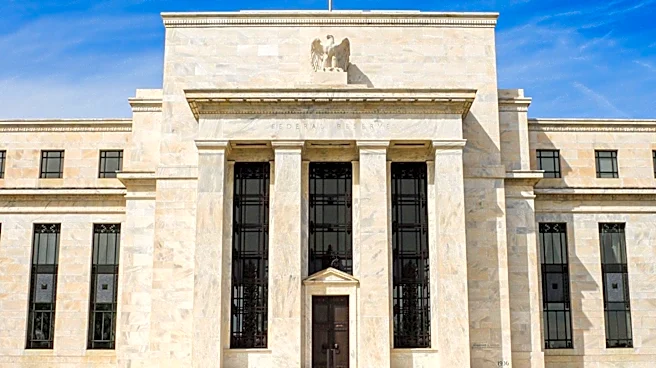
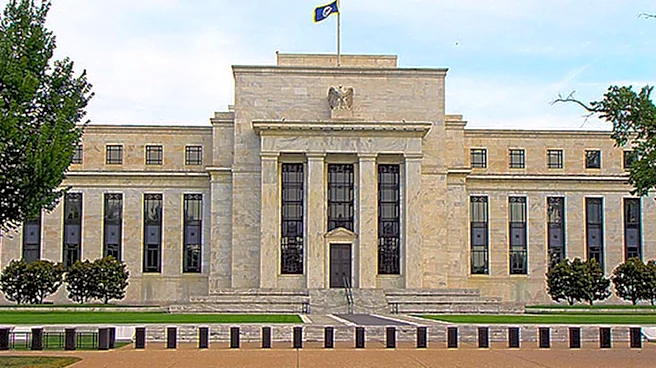
The Federal Reserve is scheduled to release its Beige Book Report at 2:00 p.m. on Wednesday, November 25. This report provides a summary of current economic conditions across the Fed’s various districts. This release is part of a significant day for economic news,
which also includes the second estimate on Q3 GDP from the Bureau of Economic Analysis, with economists forecasting 3.4% growth. Additionally, the October core PCE price index report, a favored inflation gauge for the Fed, is expected to show an uptick to a 3.2% year-over-year rate. The U.S. Census Bureau will also release the November Durable Goods Orders, an important indicator of economic growth. These reports collectively offer a comprehensive look at the nation's economic health just before the Thanksgiving holiday.
Why It's Important?
The Federal Reserve's Beige Book Report is crucial for understanding the central bank's perspective on the U.S. economy. If the report indicates solid economic growth, it could provide the Fed with more justification to raise interest rates in December and potentially in 2027. This has direct implications for financial markets, as a December interest rate hike is already largely priced in. However, any unexpected upward movement in the core PCE rate could still influence market sentiment. The confluence of these economic indicators—GDP growth, inflation data, and durable goods orders—will shape expectations for future monetary policy decisions and could either stabilize or further disrupt stock markets, especially after recent volatility. Businesses and consumers alike will be watching closely for signals regarding economic stability and future borrowing costs.
What's Next?
The immediate aftermath of these economic data releases will likely see reactions in the financial markets. Positive or at least non-worse-than-expected news could help stabilize stocks, offering a potential breather from recent selling pressure. The upcoming market holiday for Thanksgiving and an early close on Friday might also contribute to a calmer trading environment, as investors may be less inclined to initiate large directional trades before a long weekend. The data, particularly the core PCE price index, will be the final inflation print before the Federal Open Market Committee (FOMC) meeting on December 9, making it a critical input for the Fed's upcoming interest rate decision. Future interest rate adjustments by the Fed will depend heavily on how these economic conditions evolve.
Beyond the Headlines
The simultaneous release of multiple key economic reports underscores the intricate relationship between various economic indicators and monetary policy. The Fed's reliance on data like the Beige Book, GDP, and PCE to inform its decisions highlights the complexity of managing economic stability and inflation. The potential for interest rate hikes, while aimed at controlling inflation, can also impact economic growth and consumer spending. This period of intense data scrutiny reflects a broader challenge for policymakers: balancing the need to temper inflation without stifling economic expansion. The market's reaction to these reports will not only reflect immediate sentiment but also provide insights into longer-term investor confidence and economic outlooks.