



What's Happening?
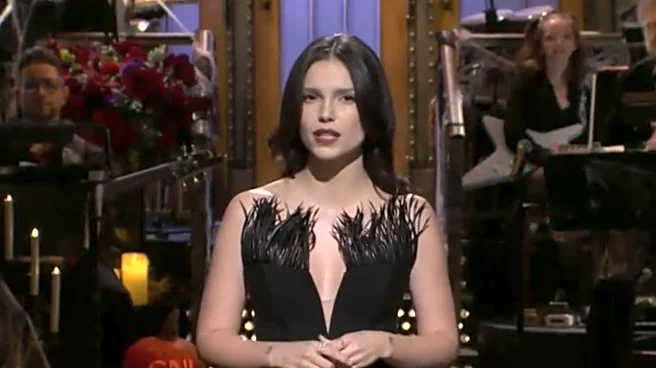
Comedian Michelle Wolf has publicly accused Amy Schumer of taking credit for writing Kim Kardashian's 'Saturday Night Live' monologue. Wolf made these claims during her new stand-up special, 'For Linda,' stating that she was the actual writer behind Kardashian's successful
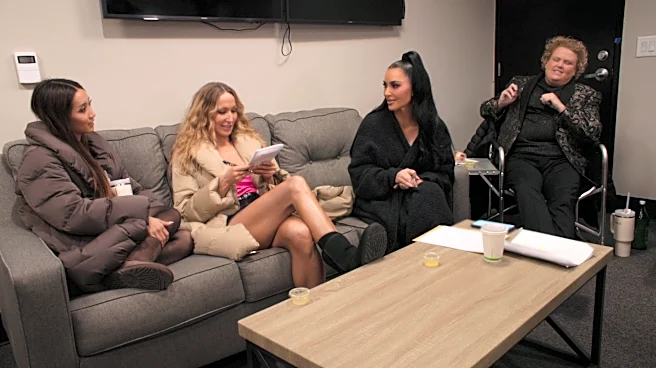
SNL performance on October 9th, 2021. According to Wolf, Kardashian frequently enlists her for comedy writing, including material for commercials and high-profile events. Wolf highlighted that while Kardashian herself acknowledged Wolf's contribution, Schumer's subsequent media appearances and a scene in Hulu's 'The Kardashians' led many to believe Schumer was the primary creative force behind the monologue. Wolf noted that Schumer did not explicitly claim sole authorship but also did not mention Wolf's involvement during interviews, allowing the perception of her significant role to persist. This is not the first time Schumer's 'authorial integrity' has been questioned, with past accusations of joke stealing from other comedians.
Why It's Important?
This accusation from Michelle Wolf against Amy Schumer highlights a recurring issue within the comedy industry regarding joke attribution and credit. For comedians, authorship is central to their professional reputation and livelihood. If Wolf's claims are accurate, it suggests a pattern where established comedians might benefit from the work of others without proper acknowledgment, potentially undermining the careers of less visible writers. This incident could impact public perception of both comedians, particularly Schumer, given previous similar allegations. It also raises questions about how credit is managed in collaborative creative projects, especially when high-profile celebrities are involved. The controversy could lead to increased scrutiny of how comedic material is developed and attributed, potentially influencing future collaborations and industry practices regarding intellectual property in comedy.
What's Next?
The immediate aftermath of Michelle Wolf's public accusation could see reactions from Amy Schumer, Kim Kardashian, or other figures involved in the 'Saturday Night Live' monologue production. Schumer may choose to address Wolf's claims directly, either to refute them or to clarify her role. Kim Kardashian, as the host of the SNL episode, could also offer a definitive statement regarding who wrote her monologue, which would likely resolve much of the ambiguity. The comedy community and media outlets will likely continue to discuss the implications of Wolf's statements, potentially leading to further examination of joke-writing ethics and attribution in the industry. This situation might also prompt more comedians to be vocal about their contributions to collaborative projects, seeking clearer recognition for their work.
Beyond the Headlines
Beyond the immediate dispute over credit, this incident touches upon broader themes of intellectual property and professional ethics in creative fields. The 'authorial integrity' of comedians, particularly those with a history of similar accusations, can significantly affect their standing and public trust. In an industry where original material is paramount, allegations of joke stealing or misattribution can have long-term consequences for a comedian's career and legacy. This situation also underscores the power dynamics at play when established figures collaborate with less prominent talents, where the more famous individual might inadvertently or intentionally receive disproportionate credit. It highlights the ongoing challenge of ensuring fair recognition for creative contributions, especially in fast-paced, high-visibility environments like television production.