



What's Happening?
The U.S. Department of Agriculture (USDA) has selected eight fertilizer manufacturing projects nationwide for proposed federal funding, totaling over $1.3 billion in public and private investment. Several Southeastern states are set to benefit from these
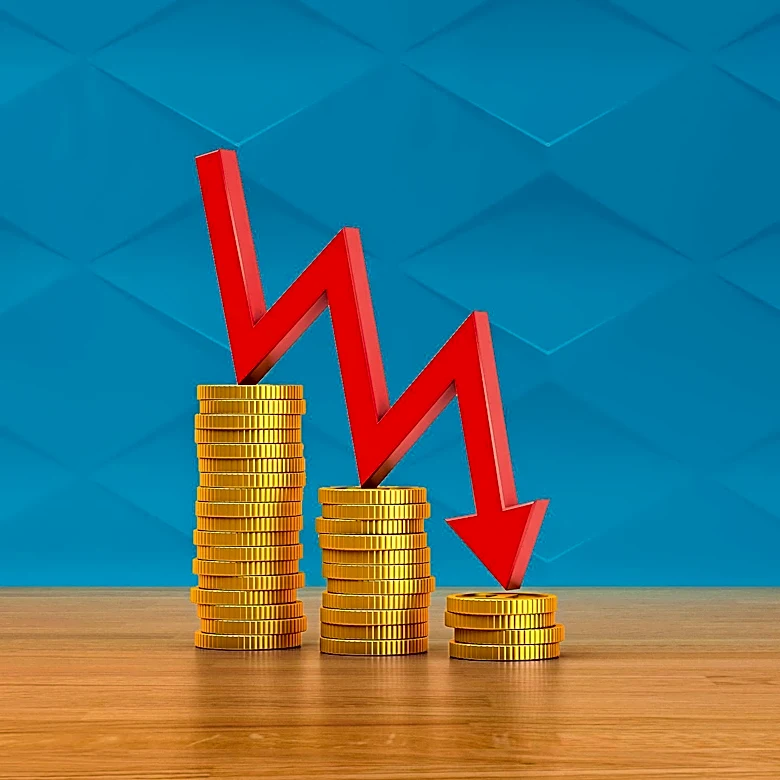
initiatives. In Florida, Peace Valley is slated to receive nearly $20 million in proposed federal funding to expand fertilizer manufacturing operations in Bartow. Virginia's AdvanSix could be allocated over $47 million to boost ammonia production in Hopewell. Additionally, Tennessee is one of seven states included in a project focused on developing smaller-scale ammonia manufacturing units. The USDA estimates that this increased domestic production could eventually lead to a reduction in nitrogen fertilizer prices by approximately four percent and potash prices by about five percent. However, these are projections, and the actual savings depend on the projects moving through the funding process and becoming fully operational.
Why It's Important?
This significant federal investment aims to bolster domestic fertilizer production, thereby reducing US agriculture's reliance on foreign imports and mitigating price volatility for farmers. The expansion of manufacturing capabilities in the Southeast directly addresses supply chain vulnerabilities that have impacted agricultural costs and food security. Lower fertilizer prices, as projected by the USDA, would translate into reduced input costs for farmers, potentially improving their profitability and contributing to more stable food prices for consumers. This initiative supports the broader goal of strengthening the US agricultural sector's resilience and self-sufficiency. For the selected states, these projects represent economic development opportunities, including job creation and increased industrial activity in the agricultural supply chain.
What's Next?
The selected fertilizer manufacturing projects must now navigate the full funding process and become operational before any projected price reductions can be realized. This involves securing the allocated federal funds, completing necessary construction or expansion, and commencing production. Peace Valley in Florida, AdvanSix in Virginia, and the multi-state ammonia manufacturing project involving Tennessee will proceed with their respective development plans. The USDA will likely monitor the progress of these projects and their impact on fertilizer markets. Farmers and agricultural stakeholders will be watching closely to see if the anticipated four percent reduction in nitrogen fertilizer prices and five percent reduction in potash prices materialize once these facilities are fully operational.
Beyond the Headlines
This federal funding initiative reflects a strategic shift towards re-shoring critical agricultural input production, driven by lessons learned from recent global supply chain disruptions and geopolitical events. Beyond the immediate economic benefits for farmers, increased domestic fertilizer production enhances national security by reducing dependence on potentially unstable foreign sources. It also fosters innovation in fertilizer manufacturing, particularly with the development of smaller-scale ammonia units, which could lead to more localized and sustainable production models. The investment underscores a growing recognition of the interconnectedness between industrial policy, agricultural resilience, and national economic stability. Furthermore, the environmental implications of expanding fertilizer production, including energy consumption and potential emissions, will be a crucial aspect to monitor as these projects advance.