







What's Happening?
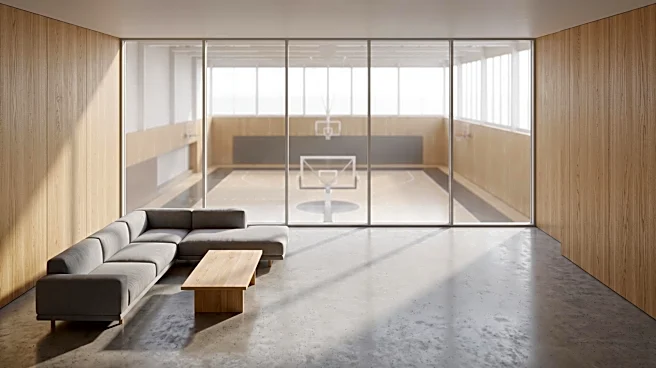
The Los Angeles Sparks are set to open a new training facility in El Segundo, California, in 2027. This development marks a significant milestone in the WNBA's evolution towards providing dedicated, purpose-built environments for its athletes. The facility's
design is informed by lessons learned from previous projects for the Las Vegas Aces and Phoenix Mercury, with a focus on tailoring the space to reflect the team's culture, identity, and vision. Design Director Steve Chung, Design Lead Susan Han, and Senior Interior Designer Megan McDonnell from Gensler, the firm behind these projects, highlighted that the best facilities are those specifically designed around the needs of women athletes. The Sparks' facility aims to be a 'player sanctuary,' offering spaces for recovery, recharging, and supporting players throughout and beyond the basketball season. This initiative follows a trend of WNBA teams investing in their own training infrastructure, moving away from shared or borrowed spaces that were common in the league's earlier history.
Why It's Important?
The construction of a dedicated training facility for the Los Angeles Sparks is important as it signifies a growing commitment to professionalizing the WNBA and enhancing player welfare. Historically, WNBA athletes often trained in suboptimal or shared facilities, which could impact their performance, recovery, and overall professional experience. This new facility, along with those for the Aces and Mercury, sets a new standard for the league, emphasizing that a high-performance environment extends beyond just physical training to include aspects like privacy, family considerations, and holistic well-being. This investment can attract and retain top talent, as players will have access to state-of-the-art resources tailored to their specific needs. It also reflects a broader recognition of women's sports as a significant and growing industry, deserving of dedicated infrastructure and resources. The improved facilities can contribute to higher quality play, better athlete health, and increased fan engagement, ultimately benefiting the league's long-term sustainability and growth.
What's Next?
The Los Angeles Sparks' new training facility is scheduled to open in 2027. In the interim, the design and construction phases will continue, with a focus on incorporating player feedback and evolving best practices in athletic facility design. The success of this facility, alongside others in the WNBA, could influence other teams in the league to invest further in their own dedicated spaces, potentially accelerating the overall development of WNBA infrastructure. As the league plans to expand to 18 teams by 2030, with new teams joining in cities like Cleveland, Detroit, and Philadelphia, the precedent set by the Sparks' facility could guide future development. This trend suggests a continued push towards creating more professional and supportive environments for WNBA athletes, which may lead to further improvements in player performance, health, and the league's overall competitive landscape.
Beyond the Headlines
The development of dedicated training facilities like the one for the Los Angeles Sparks represents a deeper cultural shift in how women's professional sports are valued and supported. It moves beyond simply providing a place to practice, aiming to create comprehensive environments that acknowledge the unique needs and experiences of women athletes. This includes considerations for privacy, family, and life outside of basketball, which were often overlooked in traditional sports facility designs. The emphasis on a 'player sanctuary' highlights a holistic approach to athlete development, recognizing that mental and emotional well-being are as crucial as physical conditioning. This trend could inspire broader changes in sports architecture and urban planning, promoting the creation of inclusive and supportive spaces for all athletes. Furthermore, it underscores the increasing economic viability and cultural significance of the WNBA, signaling a long-term investment in its future and its athletes as integral parts of the professional sports landscape.