




What's Happening?
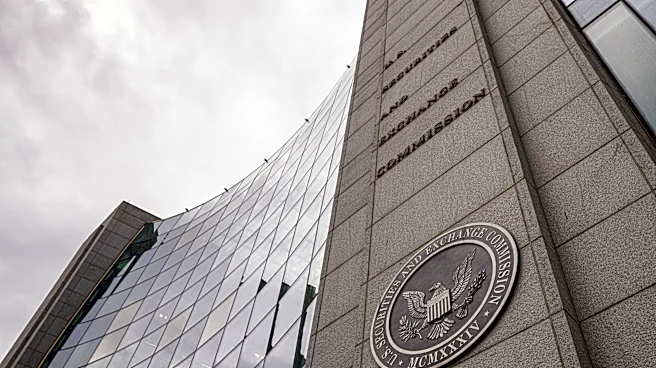
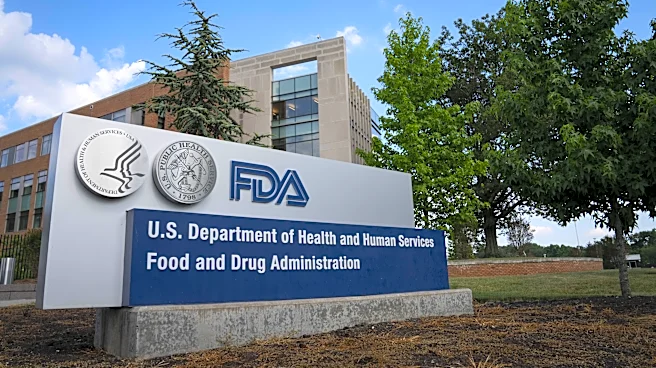
On August 31, 2026, the Securities and Exchange Commission (SEC) and the Food and Drug Administration (FDA) announced the signing of a Memorandum of Understanding (MOU). This agreement establishes a formal framework for cooperation and information sharing
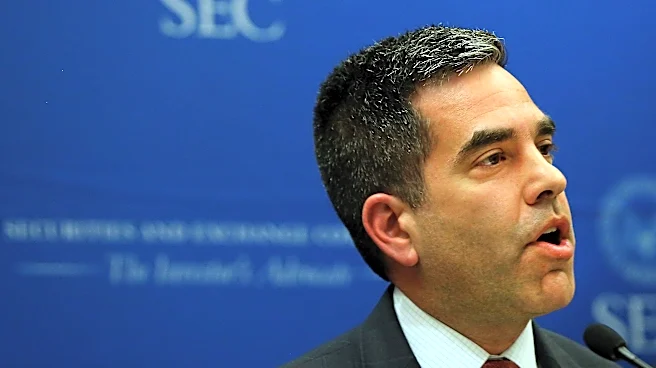
between the two federal agencies. The primary goal of the MOU is to assist both the SEC in maintaining market integrity and the FDA in protecting public health. SEC Chairman Paul S. Atkins highlighted the significant impact that FDA-related disclosures by public companies have on U.S. markets, emphasizing the FDA's role as a crucial partner in enforcing federal securities laws related to disclosure requirements. The MOU specifically addresses situations where companies involved in FDA-regulated activities might disseminate false or misleading statements to investors regarding FDA review status, product approvals, clinical trial results, or other matters under the FDA's regulatory authority that could influence investment decisions. This formalizes a process that previously required the SEC to reconstruct regulatory records through subpoenas, allowing for more direct and efficient information exchange.
Why It's Important?
This MOU significantly enhances regulatory oversight for public companies in the health care and life sciences sectors. Previously, the SEC often had to independently gather information related to FDA interactions, which could be a time-consuming process. With this formal agreement, the SEC will have more direct access to FDA's non-public information, allowing for more informed reviews of company disclosures and financial statements. This increased transparency and data sharing will make it more difficult for companies to mislead investors about their products' regulatory status, clinical trial outcomes, or approval timelines. For investors, this means more reliable information when making investment decisions in these sectors, potentially reducing risks associated with fraudulent or exaggerated claims. For companies, it necessitates a more stringent approach to public disclosures, ensuring that all statements align precisely with their actual communications and status with the FDA. The partnership underscores a growing inter-agency effort to protect investors and maintain market integrity by leveraging specialized regulatory knowledge across different government bodies.
What's Next?
The formalization of information sharing between the SEC and FDA will lead to several immediate and long-term changes for public health care and life sciences companies. Companies should anticipate more informed comment letters from the SEC's Division of Corporation Finance, as staff will now have access to FDA information when reviewing filings. This means that responses to SEC inquiries about product development and regulatory status will need to be exceptionally precise and well-documented, directly aligning with FDA communications. Furthermore, the FDA's Office of the Chief Counsel will now serve as a formal channel for referring potential securities violations to the SEC, meaning the FDA can proactively flag concerns rather than just responding to SEC requests. This could lead to an increase in SEC enforcement actions stemming from FDA findings, including inspection results. Companies will also need to review their insider trading controls around FDA-related events, as information shared between the agencies could support SEC investigations into trading activity preceding FDA announcements. Overall, companies in these sectors must reconcile their public statements with their regulatory records more diligently than ever before.
Beyond the Headlines
The SEC-FDA MOU represents a significant step towards a more integrated regulatory landscape, particularly for industries operating at the intersection of public health and financial markets. Beyond the immediate implications for disclosure accuracy, this partnership could foster a broader cultural shift within health care and life sciences companies towards greater transparency and accountability. The potential for FDA inspection findings to reach the SEC could incentivize companies to not only comply with FDA regulations but also to ensure that their internal processes and public communications are robust enough to withstand scrutiny from both regulatory bodies. This collaboration also highlights a growing trend of inter-agency cooperation in the U.S. government, recognizing that complex issues often require a multi-faceted regulatory approach. Ethically, it reinforces the principle that public health and investor protection are intertwined, and misleading statements in one domain can have severe consequences in the other. This could set a precedent for similar MOUs between the SEC and other specialized regulatory agencies, further tightening the net of oversight across various regulated industries and enhancing overall market integrity.