






What's Happening?
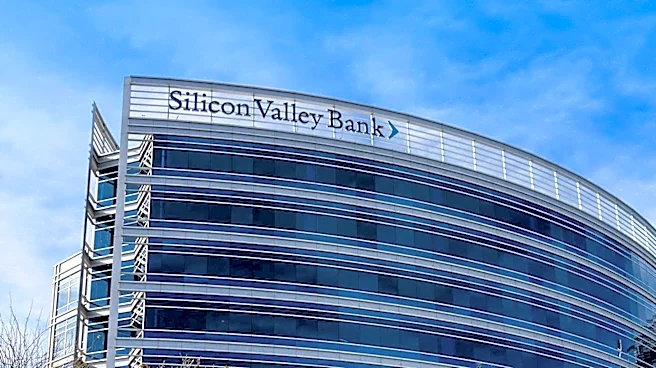
Investors involved in a class action lawsuit concerning the 2023 collapse of Silicon Valley Bank (SVB) have reached a tentative $224.5 million settlement with KPMG LLP, the bank's external auditor. This agreement, announced by Norway's sovereign wealth
fund, marks a preliminary step in recovering investor losses. The Norwegian fund, which is a significant global investor with stakes in over 7,000 companies, held a 1% stake in SVB, valued at $137.9 million at the end of 2022. Nicolai Tangen, CEO of the Norwegian sovereign wealth fund, stated that the settlement is an important first step towards recovering losses from one of the largest bank failures in U.S. history. KPMG US, while agreeing to the settlement as a strategic business decision, maintained that it stands by its audits of SVB and denied any wrongdoing. The class action lawsuit is ongoing against other defendants.
Why It's Important?
This settlement is significant for U.S. financial markets and the auditing industry. The collapse of SVB in 2023 sent shockwaves through the banking sector, particularly impacting technology startups and venture capital firms. A substantial settlement with a major auditing firm like KPMG underscores the potential liabilities and responsibilities of auditors in ensuring financial transparency and accuracy. For investors, including large sovereign wealth funds, this recovery provides some compensation for losses incurred, potentially restoring a degree of confidence in the oversight mechanisms of the financial system. The ongoing litigation against other parties suggests that the full implications and accountability for the SVB collapse are still being determined, which could lead to further legal precedents and regulatory changes in the U.S. banking sector.
What's Next?
The class action lawsuit will continue against other defendants involved in the Silicon Valley Bank collapse. This indicates that further legal proceedings and potential settlements or judgments are anticipated. The outcome of these ongoing cases could further clarify the responsibilities of various entities, including bank management, regulatory bodies, and other financial service providers, in preventing such failures. Regulators and policymakers may also review existing auditing standards and banking regulations in light of the SVB collapse and this settlement. The increased scrutiny on financial oversight could lead to stricter compliance requirements for banks and auditing firms, potentially impacting their operational costs and risk management strategies.
Beyond the Headlines
The SVB collapse and the subsequent settlement with KPMG highlight critical issues regarding corporate governance, risk management, and the role of external auditors in the U.S. financial system. The fact that a major sovereign wealth fund was a significant investor in SVB also points to the interconnectedness of global financial markets and the ripple effects of U.S. banking failures on international investors. This event could prompt a re-evaluation of due diligence processes by institutional investors and a demand for greater transparency from financial institutions. The settlement, while not an admission of wrongdoing by KPMG, could still influence public perception of auditing firms and potentially lead to a broader discussion about the adequacy of current auditing practices in identifying and mitigating systemic risks within the banking industry.