








What's Happening?
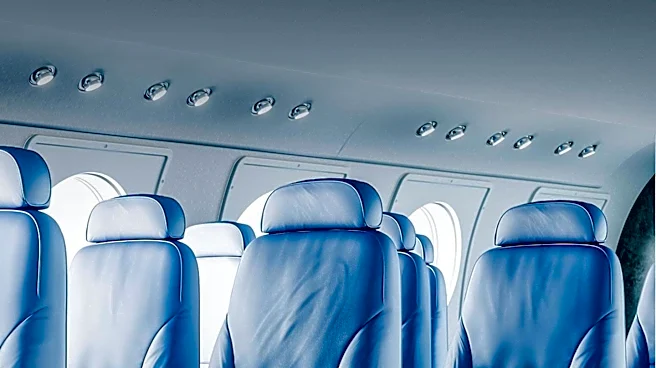
A U.S. District Judge in San Francisco, James Donato, has rejected United Airlines' argument in a proposed class action lawsuit concerning the definition of a 'window seat.' The airline contended that a window seat merely refers to the seat's position
on the airplane, not necessarily guaranteeing an actual window view. This defense was part of United's attempt to dismiss a lawsuit filed by passengers who claimed they were unfairly charged for window seats that lacked windows. The judge's decision highlights the ongoing debate over airline seating charges and the expectations of passengers regarding seat descriptions. United's argument was seen as an attempt to redefine the traditional understanding of a window seat, which passengers typically associate with having a view outside the aircraft.
Why It's Important?
This ruling is significant as it addresses consumer rights and expectations in the airline industry, particularly concerning transparency in service offerings. The decision could set a precedent for how airlines market and charge for specific seat types, potentially impacting pricing strategies and customer satisfaction. For consumers, this case underscores the importance of clear and honest communication from service providers. Airlines may need to reconsider their marketing practices to avoid similar legal challenges, which could lead to increased scrutiny and regulation in the industry. The outcome of this lawsuit could influence how airlines define and price their seating options, affecting both their revenue models and customer relations.
What's Next?
Following the judge's rejection of United's argument, the class action lawsuit will likely proceed, potentially leading to a trial or settlement. United Airlines may need to reassess its seating policies and marketing strategies to align with consumer expectations and legal standards. Other airlines will be watching the case closely, as its outcome could influence industry-wide practices. If the lawsuit results in a ruling against United, it may prompt airlines to adopt more transparent pricing and marketing practices to avoid similar legal challenges. Additionally, regulatory bodies might consider implementing stricter guidelines on how airlines advertise and charge for specific seat types.