


What's Happening?
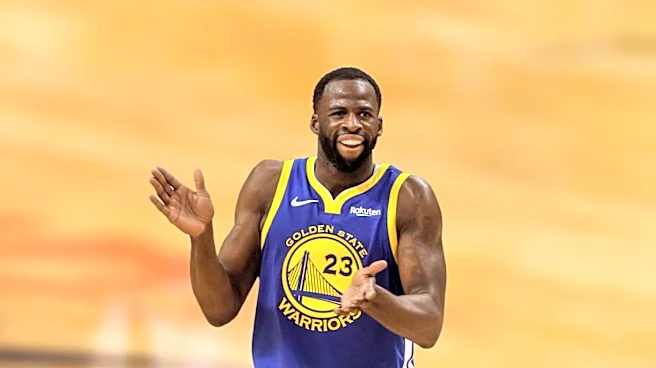
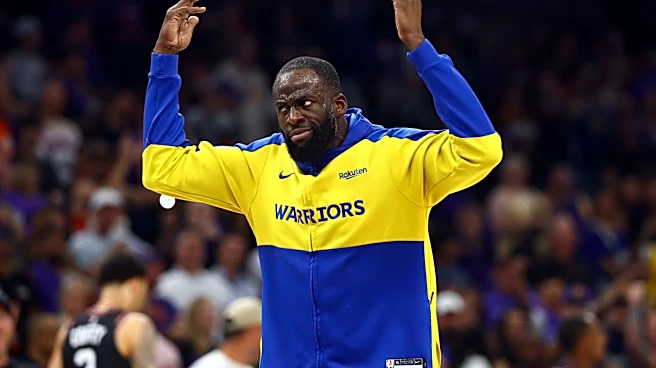
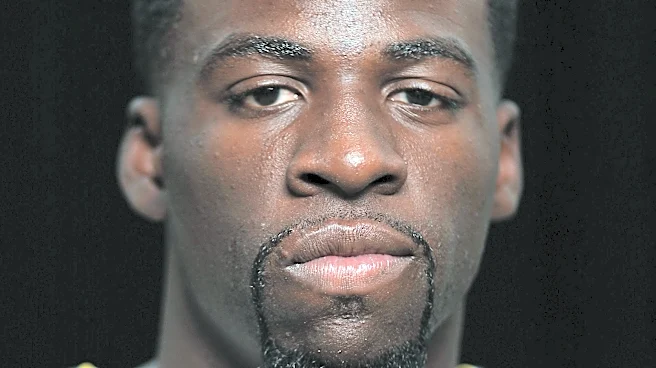
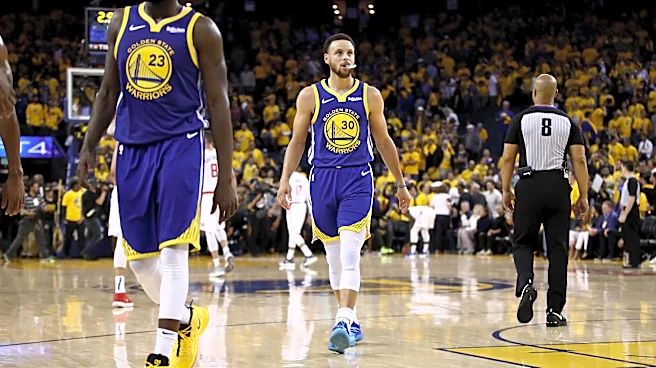
Former NBA player Kendrick Perkins has publicly addressed Draymond Green, urging him to apply the insights gained from therapy to his public behavior, particularly regarding his use of his platform. Perkins stated that while he applauds Green for openly
discussing his therapy and raising awareness about mental health, Green needs to translate those therapeutic lessons into his interactions and commentary. Perkins specifically criticized Green for engaging in 'name-calling' and using his platform to 'hurt people,' suggesting that Green's actions contradict his stated commitment to mental well-being and self-improvement. Perkins emphasized that Green possesses a high basketball IQ and education, and should leverage his platform to educate audiences on substantive basketball topics rather than engaging in personal attacks.
Why It's Important?
Kendrick Perkins' comments highlight a broader discussion within professional sports regarding athlete conduct, mental health advocacy, and the responsible use of public platforms. Draymond Green has been a prominent figure in advocating for mental health awareness, sharing his own experiences with therapy. However, Perkins' critique suggests a disconnect between Green's advocacy and his on-court or media behavior, which has often been characterized by confrontational remarks. This situation brings to light the challenge of integrating personal growth from therapy into public life, especially for high-profile individuals. It also underscores the responsibility athletes have when using their platforms, as their words can significantly influence public discourse and perceptions of sportsmanship and mental health. The dialogue initiated by Perkins could prompt Green and other athletes to reflect on how their actions align with their stated values.
What's Next?
It remains to be seen how Draymond Green will respond to Kendrick Perkins' public comments. Green may choose to address Perkins' remarks directly, either by acknowledging the critique and committing to further self-reflection, or by defending his past actions. This exchange could also spark further conversations among sports analysts, fans, and other athletes about the role of therapy in professional sports and the expectations placed on athletes who advocate for mental health. The incident may encourage Green to be more mindful of his language and tone when using his platform, potentially leading to a shift in his public persona. Ultimately, the impact will depend on Green's willingness to internalize and act upon the feedback, potentially influencing how he engages with media and fellow players in the future.
Beyond the Headlines
This interaction delves into the complex intersection of mental health, public persona, and accountability in professional sports. While athletes are increasingly encouraged to seek therapy and speak openly about their mental health struggles, there's an implicit expectation that such personal growth should manifest in improved behavior and more constructive public engagement. Perkins' statement implicitly questions whether Green's public actions are consistent with the self-awareness and emotional regulation often associated with therapeutic progress. This raises ethical considerations about the authenticity of mental health advocacy when an individual's behavior appears to contradict their stated commitment to personal well-being. It also highlights the pressure on public figures to not only engage in self-improvement but also to visibly demonstrate that improvement, especially when their past actions have been controversial. The incident could serve as a case study for how athletes navigate the public scrutiny of their personal and professional development.