




What's Happening?
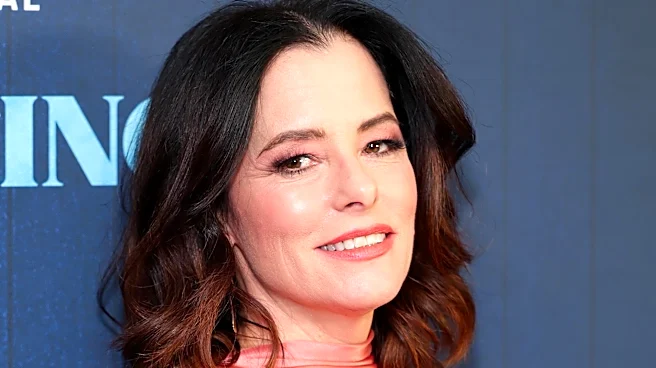
Actress Parker Posey, known for her role in 'The White Lotus,' has disclosed that financial pressures were the primary reason she decided to publish her 2018 memoir, 'You're on an Airplane.' Posey discussed the economic circumstances that led her to write
and release the book, indicating that it was a direct response to a need for funds. This revelation offers insight into the financial realities faced by individuals in the entertainment industry, even those with established careers. Her memoir, which was published several years ago, is now being re-examined in light of these comments, providing a new context for its creation. The actress's candidness sheds light on the often-unseen financial struggles that can prompt creative endeavors.
Why It's Important?
This disclosure is important as it highlights the economic vulnerabilities that can affect even successful actors in the U.S. entertainment industry. It challenges the common perception that all well-known figures are financially secure, revealing a more complex reality where financial pressures can drive career decisions, including creative projects like writing a memoir. For aspiring artists and those working in creative fields, Posey's experience underscores the unpredictable nature of income and the potential need to diversify revenue streams. It also provides a more nuanced understanding of the motivations behind celebrity memoirs, suggesting that personal storytelling can sometimes be a response to practical financial needs rather than solely artistic expression or a desire to share personal anecdotes. This perspective can influence how the public perceives and consumes such works.
What's Next?
Posey's comments may lead to increased discussion within the entertainment industry about financial stability for actors and other creatives. It could prompt more open conversations about the economic challenges faced by individuals in the arts, potentially leading to greater transparency or advocacy for better financial support systems. For Posey herself, this revelation might generate renewed interest in her memoir, as readers seek to understand the personal and financial context behind its creation. It could also influence future projects she undertakes, as her candidness about financial motivations may shape public perception of her work. The broader impact could be a shift in how the public views the financial lives of celebrities, moving towards a more realistic understanding.
Beyond the Headlines
Beyond the immediate financial implications, Posey's statement touches upon broader themes of economic precarity in creative professions and the commodification of personal narratives. It raises questions about the pressures artists face to monetize their experiences and the ethical considerations involved when personal stories are shared out of financial necessity. This situation also highlights the often-invisible labor and financial planning required to sustain a career in the arts, even for those who achieve a degree of fame. It could spark a deeper conversation about the value placed on artistic work in society and the support structures available to artists, prompting a re-evaluation of how creative contributions are compensated and sustained in the long term.