





What's Happening?
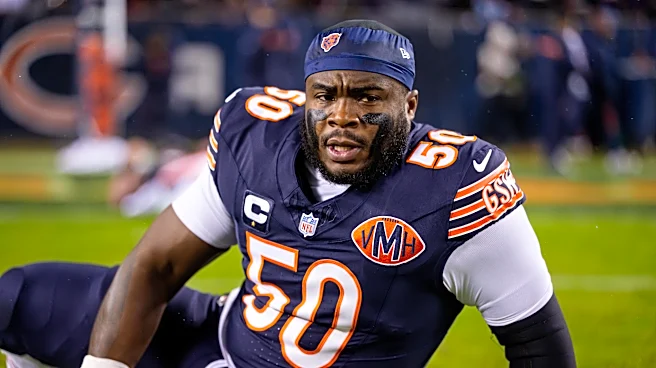
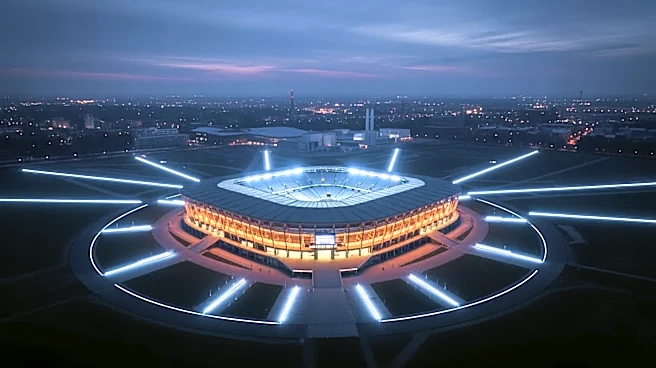
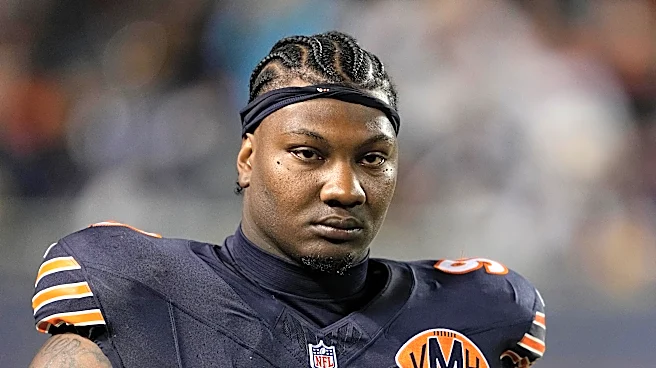
Brian Urlacher, a Hall of Fame linebacker for the Chicago Bears, has expressed his disapproval of the team's potential move to a dome stadium, whether in Illinois or Indiana. Urlacher, who played his home games at Soldier Field, believes that the Bears should
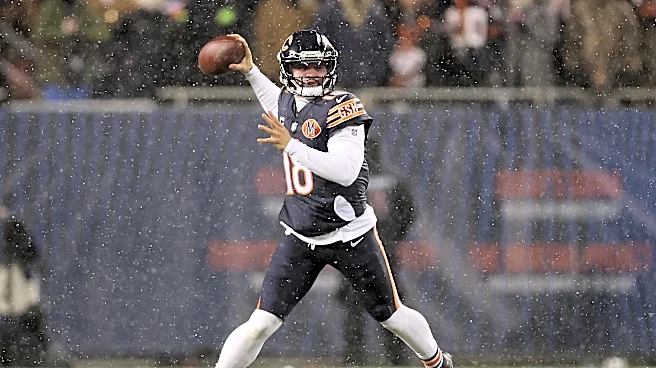
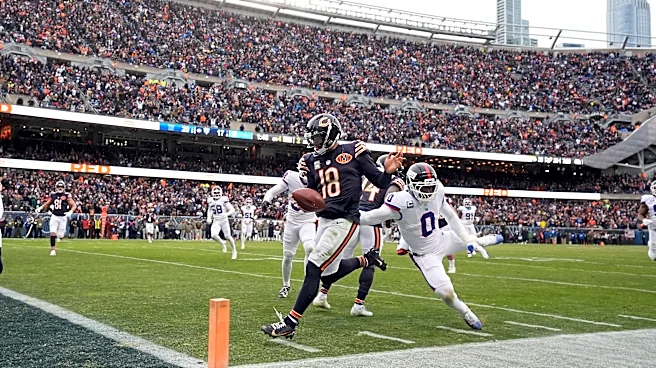
remain at their current location. He argues that playing outdoors in Chicago's harsh winter conditions provides a significant home-field advantage, as the team is accustomed to the elements, unlike visiting teams. Despite his personal preference, Urlacher acknowledges that financial incentives might drive the Bears to consider relocating to Indiana, where the state has offered more favorable terms. The Bears currently do not own Soldier Field, making game days less profitable, which could be a factor in their decision-making process.
Why It's Important?
The potential relocation of the Chicago Bears to a dome stadium has significant implications for both the team and its fan base. From a business perspective, moving to Indiana could offer financial benefits, as the Bears would likely receive better terms than they currently have at Soldier Field. However, this move could also alienate fans who value the traditional outdoor experience and the unique home-field advantage provided by Chicago's weather. The decision could impact the team's performance, as playing in a dome might negate the weather-related edge they currently enjoy. Additionally, the move could influence the local economy, affecting businesses that rely on game-day traffic at Soldier Field.
What's Next?
The Bears organization will need to weigh the financial benefits of moving to a dome stadium against the potential loss of fan support and home-field advantage. Stakeholders, including team management, players, and fans, will likely engage in discussions to determine the best course of action. The decision could also prompt reactions from local government officials and business leaders, who may seek to retain the team in Chicago. As the situation develops, the Bears will need to consider both short-term financial gains and long-term impacts on team identity and fan loyalty.