






What's Happening?
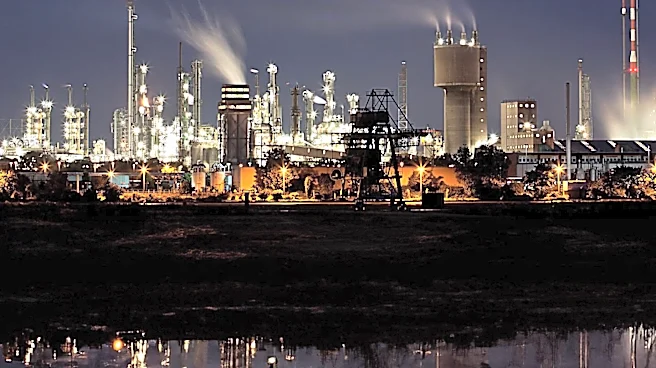
The Midwest region of the U.S. is bracing for a potential diesel crisis after Exxon Mobil's Joliet refinery in Illinois experienced a significant disruption. The refinery, which has a capacity of 275,000 barrels per day, shut down on Sunday following
a power outage that triggered its safety flare. A subsequent filing revealed that floodwater had also overwhelmed a pump at the facility. While Exxon traced the power outage to ComEd's primary and secondary lines and confirmed electricity restoration by Thursday, fuel production has not yet resumed. The Joliet refinery is a crucial supplier for Midwest consumers, producing approximately 11 million gallons of gasoline and diesel daily, accounting for about 6% of the region's refining capacity and 1.5% nationally.
Why It's Important?
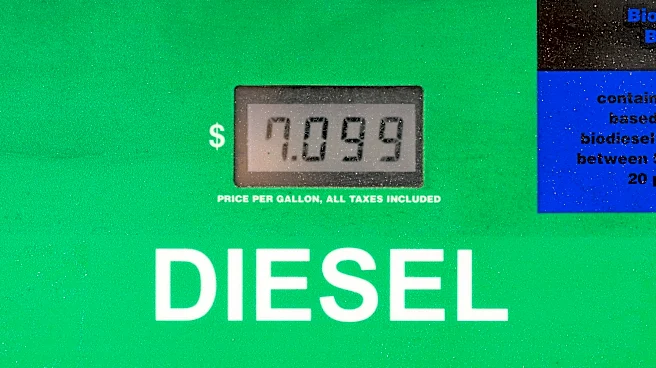
A prolonged shutdown of the Exxon Joliet refinery could significantly tighten regional fuel availability, leading to further price increases for gasoline and diesel across Illinois, Indiana, Ohio, Wisconsin, and Michigan. This disruption comes at a time when global refining capacity is already strained, and U.S. diesel prices are reaching record highs. Higher fuel costs directly impact various sectors, including transportation, agriculture, and manufacturing, potentially increasing operational expenses for businesses and consumers. The reliance on a few large refineries for regional fuel supply highlights vulnerabilities in the energy infrastructure, where a single incident can have widespread economic repercussions.
What's Next?
The immediate focus will be on Exxon Mobil's efforts to fully restore fuel production at the Joliet refinery. The duration of the shutdown will determine the severity and longevity of the potential diesel crisis in the Midwest. Consumers and businesses in the affected states should anticipate continued volatility and potential increases in fuel prices. Energy analysts, such as Patrick De Haan from GasBuddy, predict a high risk of significant price jumps in states like Ohio for gasoline, and moderate to large jumps for diesel across several Midwest states. Government agencies and energy regulators will likely monitor the situation closely to assess its impact on regional energy markets and supply chains.
Beyond the Headlines
This incident underscores the delicate balance of the U.S. energy supply chain and its susceptibility to unforeseen events like power outages and natural phenomena such as flooding. It also highlights the broader implications of global refining disruptions on domestic markets. The event could prompt discussions about enhancing the resilience of critical energy infrastructure, diversifying regional fuel sources, or improving emergency response protocols for such disruptions. Furthermore, the incident may accelerate the push for alternative energy solutions and more localized energy production to mitigate the risks associated with centralized refining capacities.