


What's Happening?
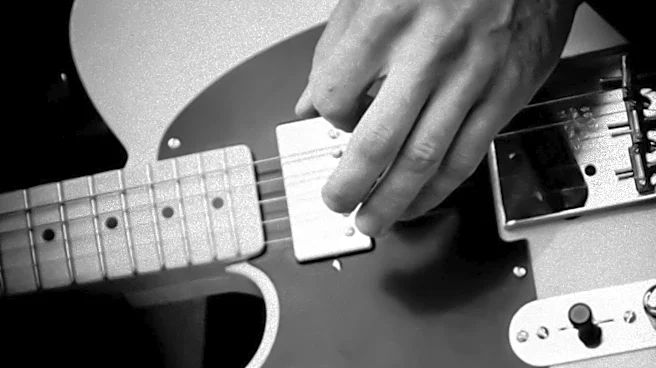
Guitar World magazine has assembled a panel of professional guitarists to determine the 'Telecaster Mount Rushmore,' celebrating 75 years of the Fender Telecaster. This initiative aims to identify the most influential players and their iconic tracks that
have shaped the legacy of this electric guitar. The panel includes notable musicians such as Mike Campbell, John 5, John Osborne, Joanne Shaw Taylor, Greg Koch, Kirk Fletcher, Keith Urban, Brent Mason, Jim Weider, Hugh Cornwell, J Mascis, Christone “Kingfish” Ingram, Marty Stuart, Taylor Goldsmith, and Graham Coxon. Each panelist offered their personal selections for the top Telecaster players and their most memorable riffs or solos. Common names appearing in the selections include James Burton, Keith Richards, Jeff Beck, Albert Collins, Roy Buchanan, and Danny Gatton, among others. The discussion also delves into why these guitarists choose to play the Telecaster, citing its versatility, tone, feel, and durability across various music genres.
Why It's Important?
This initiative is significant for the music industry and guitar culture, particularly within the U.S., as it highlights the enduring influence of the Fender Telecaster, an American-made instrument. By recognizing key players and their contributions, it reinforces the historical and cultural impact of the Telecaster on American music genres like country, rock, blues, and jazz-fusion. The discussion among professional musicians provides valuable insights into the instrument's technical and artistic capabilities, potentially inspiring new generations of guitarists. It also serves as a testament to the Telecaster's design, which has remained relevant and adaptable for decades, influencing countless artists and their sound. The collective appreciation from such a diverse group of musicians underscores the Telecaster's status as a foundational tool in modern music, impacting both performance and recording practices.
What's Next?
The 'Telecaster Mount Rushmore' selection is likely to spark further discussion and debate among guitar enthusiasts, musicians, and music historians. This type of curated content often leads to increased engagement with the featured artists' discographies and the instrument itself. Fender, as the manufacturer, may see renewed interest in Telecaster models, potentially influencing sales and marketing strategies. Music schools and educators might incorporate these discussions into their curriculum, using the highlighted players and tracks as case studies for guitar technique and musical innovation. Furthermore, the article could inspire similar 'Mount Rushmore' discussions for other iconic instruments or musical figures, continuing to shape the narrative around musical heritage and influence.
Beyond the Headlines
Beyond the immediate recognition, this 'Mount Rushmore' concept delves into the subjective nature of musical influence and legacy. It highlights how personal experiences and formative years shape a musician's connection to their instrument, as many panelists shared stories of being drawn to the Telecaster early in their careers. The discussion also subtly touches upon the evolution of guitar playing styles and how the Telecaster has adapted to different eras and genres, from the 'chicken pickin'' of country to the aggressive tones of rock. It underscores the idea that an instrument can be both a tool and an extension of an artist's identity, capable of producing a wide range of sounds and expressions. The consensus around certain players also reflects a shared understanding of excellence and innovation within the guitar community, transcending individual preferences.