





What's Happening?
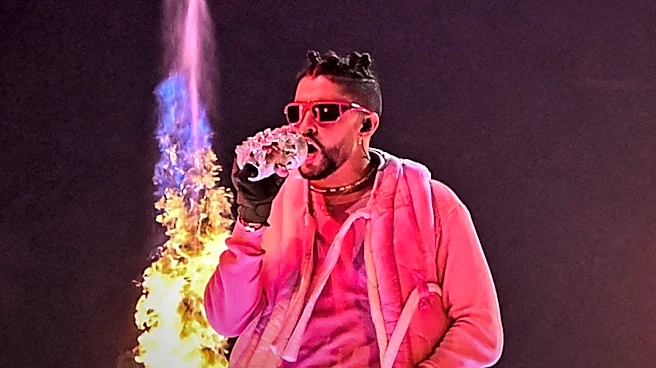
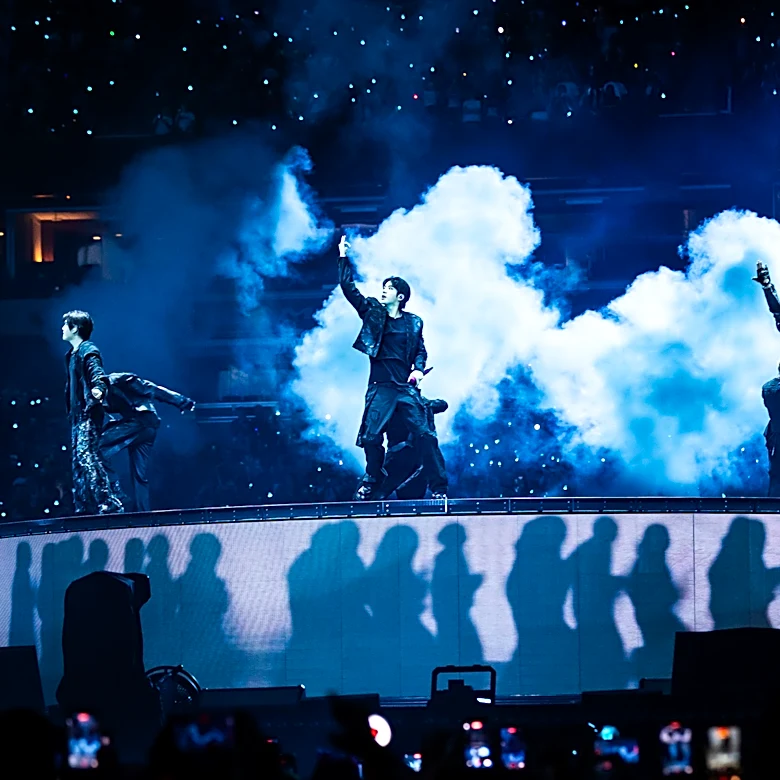
Bad Bunny's music, particularly reggaetón, is being recognized for its role in highlighting Afro-Latino identity and resisting U.S. imperialism. His Super Bowl performance, which included elements of traditional Puerto Rican music, served as a cultural
statement against colonial influences. Reggaetón, a genre blending Latin hip-hop and Jamaican dancehall, is seen as a form of resistance and cultural preservation. The genre's roots in African diasporic traditions are emphasized, with Bad Bunny using his platform to challenge Euro-American narratives and celebrate Black Puerto Rican culture.
Why It's Important?
The significance of Bad Bunny's music lies in its ability to challenge dominant cultural narratives and promote Afro-Latino identity. By centering Black Puerto Rican culture, his work offers a critique of historical and ongoing imperialist influences. This cultural assertion is crucial in a global context where marginalized identities often struggle for recognition. The embrace of reggaetón by mainstream audiences also reflects a broader acceptance and celebration of diverse cultural expressions, potentially influencing public perceptions and policies related to cultural diversity and inclusion.
Beyond the Headlines
Bad Bunny's use of reggaetón as a tool for cultural resistance highlights the power of music in shaping social and political discourse. His performances not only entertain but also educate audiences about the complexities of Puerto Rican identity and history. This approach underscores the role of artists as cultural ambassadors who can influence societal attitudes and inspire change. The blending of traditional and contemporary musical elements in his work exemplifies the dynamic nature of cultural identity and its capacity to adapt and resist external pressures.