






What's Happening?
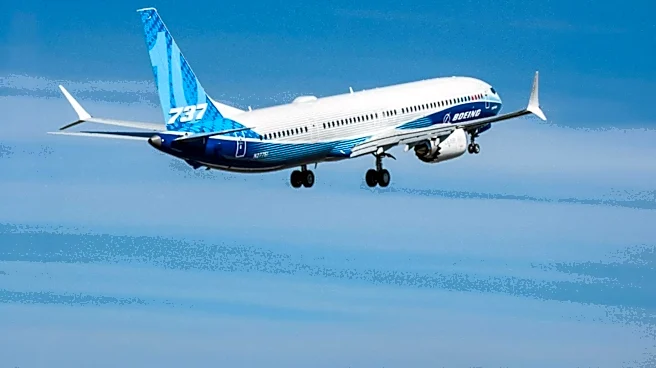
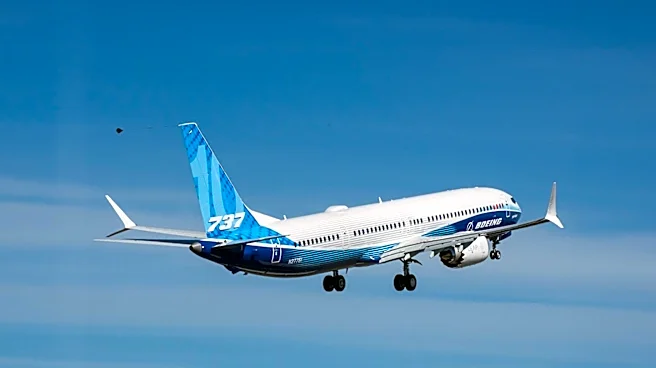
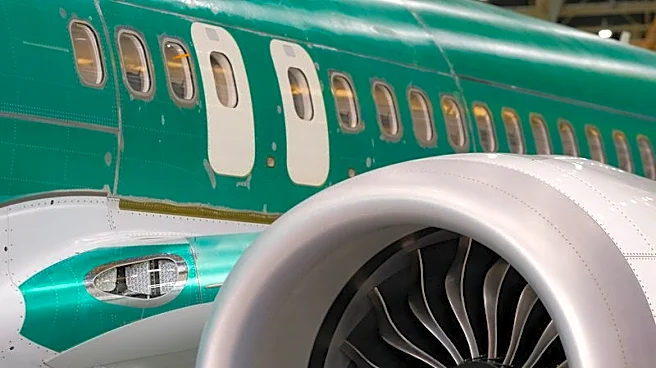
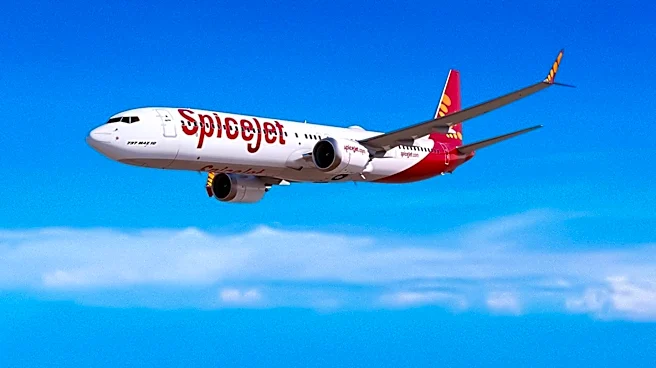
The Federal Aviation Administration (FAA) has approved Boeing's 737 Max 7 jetliner for commercial service. This certification marks a significant milestone for Boeing, which has faced years of safety, quality, and production challenges. The approval comes
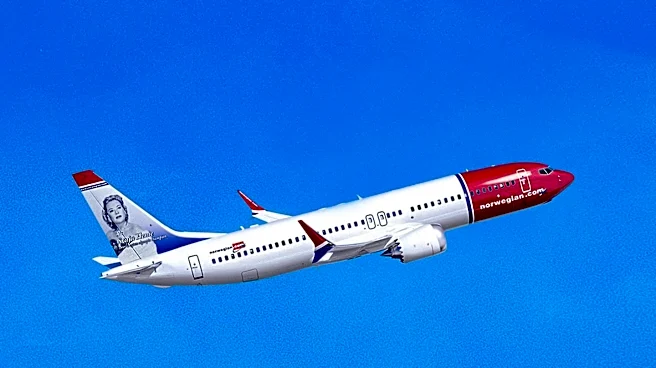
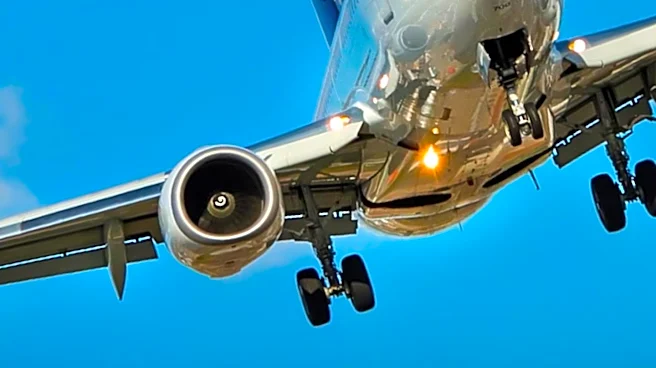
after extensive testing, design changes, and a thorough review of the aircraft's safety systems. The certification process was delayed due to technical issues and increased regulatory scrutiny following two fatal crashes involving the larger Max 8 model in 2018 and 2019. The FAA required Boeing to implement several safety changes, including updates to flight-control software and cockpit alerts, as well as a redesign of the engine anti-ice system. The Max 7 is expected to be used primarily on short- and medium-haul routes, with several airlines, including Southwest, having outstanding orders for the plane.
Why It's Important?
The certification of the 737 Max 7 is crucial for Boeing as it seeks to restore confidence in its aircraft following the Max 8 crashes. The approval allows Boeing to expand its commercial offerings and potentially regain market share lost to competitors. The FAA's rigorous certification process reflects heightened regulatory oversight, which could influence future aircraft certifications. Airlines that have ordered the Max 7 can now plan for its integration into their fleets, potentially improving operational efficiency on certain routes. The decision also underscores the importance of safety in aviation and the need for manufacturers to adhere to stringent standards.
What's Next?
With the Max 7 now certified, Boeing will focus on delivering the aircraft to customers and ensuring compliance with ongoing safety monitoring by the FAA. The company will continue to address any production and quality issues to maintain its reputation. Airlines will prepare for the operational deployment of the Max 7, which may involve pilot training and adjustments to flight schedules. The FAA's continued oversight will ensure that Boeing adheres to safety protocols, potentially setting a precedent for future aircraft certifications.